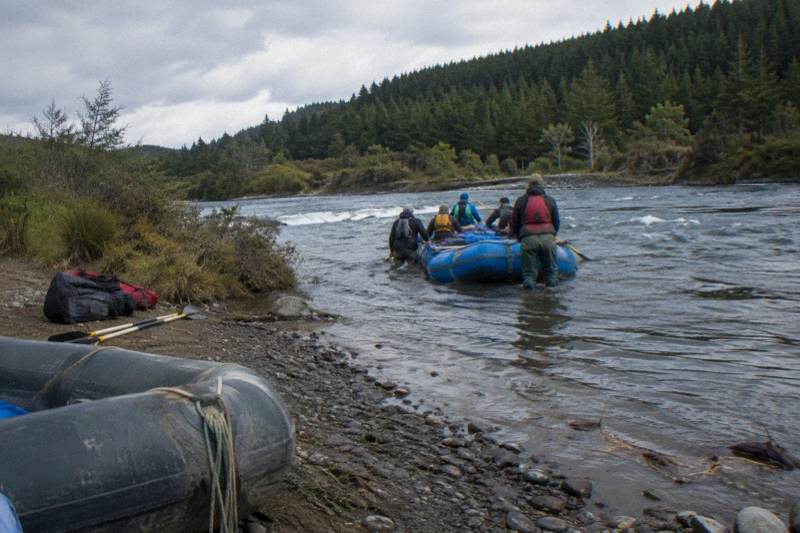
Rangitaiki River Rafting: Who It Suits And When It Runs
The Rangitaiki is the quieter river in the Rotorua rafting story, and that is exactly its appeal: two operators run it at two very different grades, so the choice is less about courage and more about who is in your group and what kind of day you want.
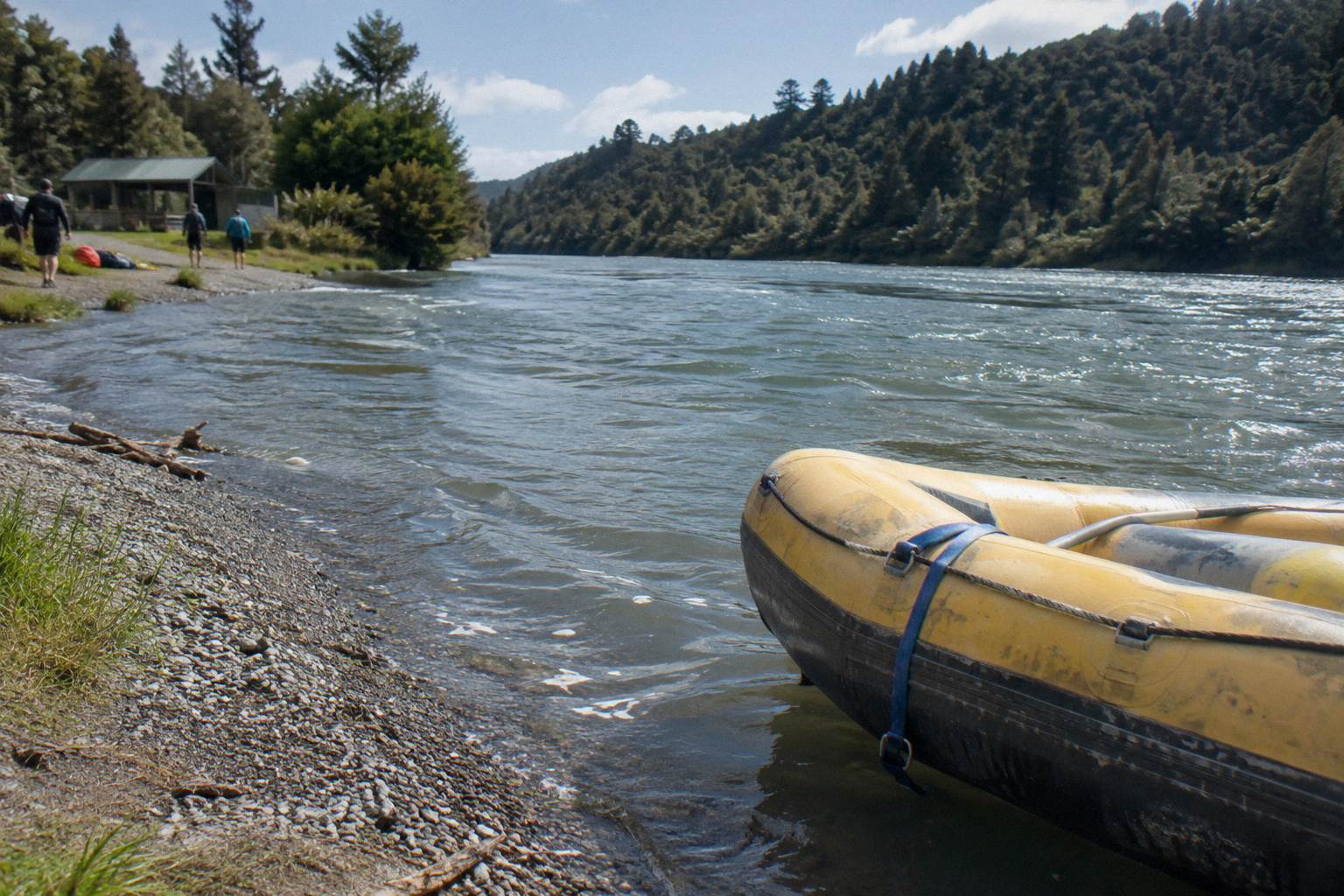
Short answer
Two operators run Rangitaiki trips from completely different angles: Kaituna Cascades describes a Grade 4 wilderness run for ages 13 and over, while the bookable Grade 2 product here is a 4 hour trip with 1.5 hours on the water, minimum age 5, from NZ$125 per person. The wilderness run goes when levels and group size allow; the Grade 2 trip is the family option.
The Rangitaiki sits about an hour south-east of Rotorua towards Murupara, and it is the river to look at when the Kaituna's waterfalls feel like the wrong kind of day. Trips on this river and on the harder Wairoa near Tauranga are separate products with separate cards, and the place to compare the Wairoa Grade 5 trip against a calmer Rangitaiki day is the region's rivers collection, where every product in this guide is bookable. The river's biggest quirk is that there is no single grade to quote: one company runs it as a wilderness trip it describes as Grade 4, another lists a Grade 2 float suitable for five year olds, and both are correct about their own trip.
| Fact | Detail |
|---|---|
| River | Rangitaiki, about an hour south-east of Rotorua towards Murupara |
| Trips on it | Kaituna Cascades' wilderness run, described by that operator as Grade 4, and a Grade 2 trip from Rotorua Adventures Kayak and Raft |
| Bookable here | The Grade 2 product, from NZ$125 per person |
| Grade 2 trip duration | 4 hours total, 1.5 hours on the water |
| Minimum age, Grade 2 trip | 5 on that product's booking page |
| Wilderness run minimum age | 13, with ages 10 to 12 joining halfway along the run |
| Wilderness run schedule | Runs when river levels and group size allow, per Kaituna Cascades |
| Rating, Grade 2 product | 4.9 from 7 reviews |
Where Is The Rangitaiki And What Grade Is It?
The Rangitaiki River flows through bush country about an hour south-east of Rotorua in the direction of Murupara, and it has no single grade number, because two different operators run two genuinely different trips on it, each with its own grade, age limit and meeting plan. Kaituna Cascades describes its trip as a Grade 4 wilderness run, meeting at 9:30am at 33 Waipa State Mill Road or a central pickup, with no self-drive option. The other product, listed by Rotorua Adventures Kayak and Raft, is a Grade 2 trip with a minimum age of 5. Anyone who tells you the Rangitaiki is "a Grade 3 river" or "a Grade 5 river" is merging two separate commercial products into one, and the distinction matters more here than on almost any other river in the country.
The scale behind those numbers is the International Scale of River Difficulty, which runs from flat water up to rapids that are effectively unrunnable; a plain-language walkthrough of the whole ladder sits in the rapid grades explained guide. In rough terms, Grade 2 water is moving current with small, forgiving waves, the kind of trip where swimming is an incident rather than an emergency. Grade 4 means continuous, technical rapids that demand a fit crew and a guide who knows the lines. The gap between those two descriptions is the gap between a family float and a sport trip, which is why the two Rangitaiki products never share a comparison row without attribution.
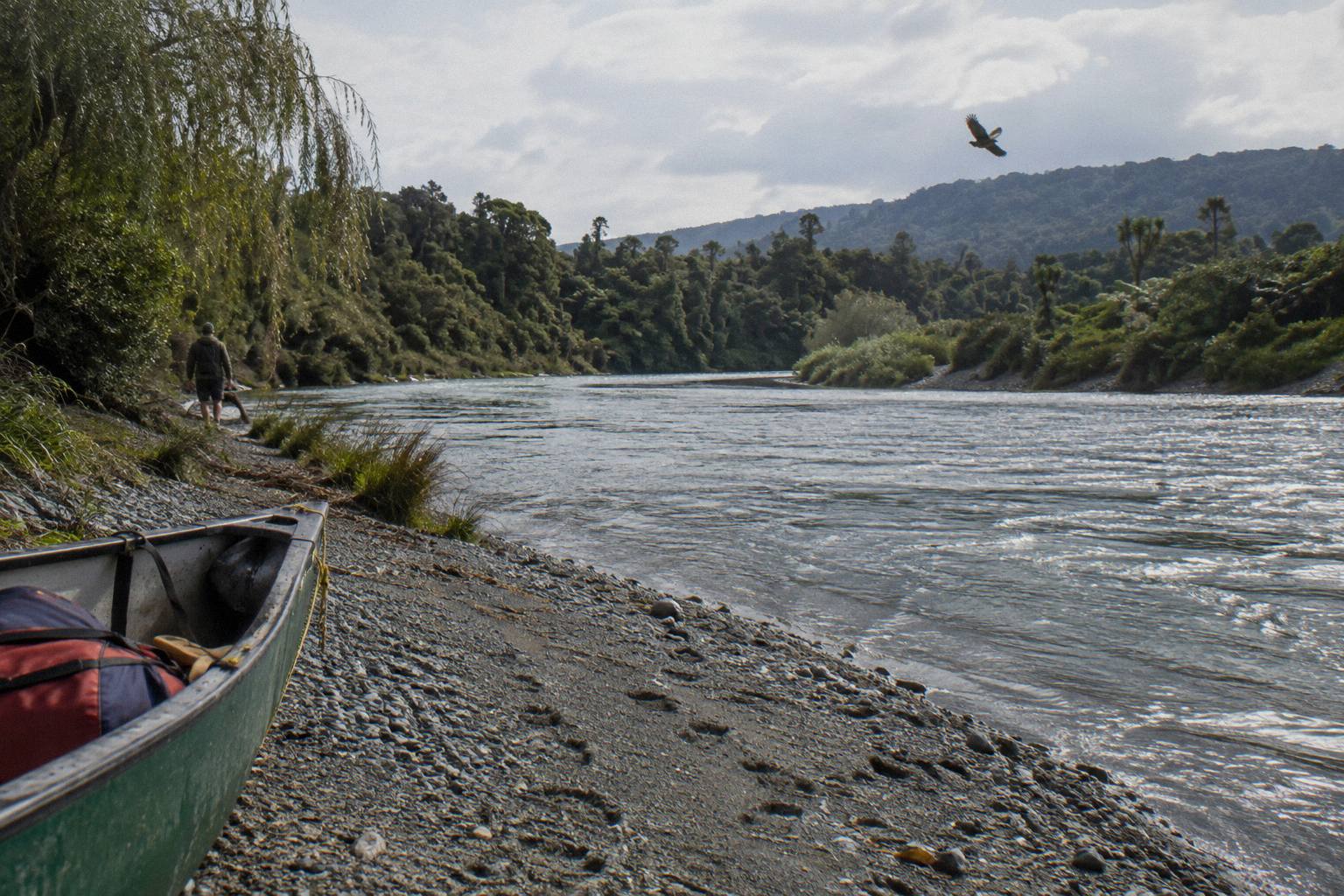
The setting explains the appeal. The Wikipedia entry for the Rangitaiki River places it among the longer waterways of the Bay of Plenty, and the stretch the operators use runs through forested valley rather than farmland or town fringes. Kaituna Cascades markets its run specifically as a wilderness trip, which in practice means fewer spectators, fewer roads and a longer bus-to-bus day than the Kaituna's compact 50 to 60 minute paddle. For readers weighing this river against the famous waterfall run near Okere Falls, the Kaituna rafting guide covers that side of the region.
The Two Rangitaiki Trips Compared
The two Rangitaiki products differ on grade, operator, minimum age, meeting arrangements and price, and the honest way to compare them is side by side with each figure tied to the company that states it, never merged into one row labelled simply the river. The wilderness run belongs to Kaituna Cascades and runs only when river levels and group size allow. The Grade 2 trip belongs to Rotorua Adventures Kayak and Raft, carries a 4.9 rating from 7 reviews, and is the only Rangitaiki product bookable through this site. Merged figures do not exist for this river, and any table that gives you one grade, one age and one price for "the Rangitaiki" has flattened two different businesses into one.
| Kaituna Cascades wilderness run | Grade 2 trip, Rotorua Adventures Kayak and Raft | |
|---|---|---|
| Grade | Described by Kaituna Cascades as Grade 4 | Grade 2 on the product's booking page |
| Minimum age | 13, ages 10 to 12 join halfway | 5 |
| Duration | Wilderness day, runs on demand | 4 hours total, 1.5 on the water |
| Meeting | 9:30am, 33 Waipa State Mill Road or central pickup, no self-drive | Shown on the booking page for the date |
| Price | Ask the operator | From NZ$125 per person |
| Rating | Not tied to this product | 4.9 from 7 reviews |
Read the middle row carefully before anything else: the wilderness trip has a fixed morning meeting time and a no-self-drive rule, so it is a committed, guided-out day. The Grade 2 product keeps its own logistics on the booking page, and the sensible move is to confirm meeting details for your date when you check availability. Amounts throughout this article are New Zealand dollars, prices vary by date and group size, and the booking page shows the price for the date you want.
For groups torn between a gentle Rangitaiki day and something with real teeth, the site gives you one card per product, and the three most useful for this river decision sit together here:
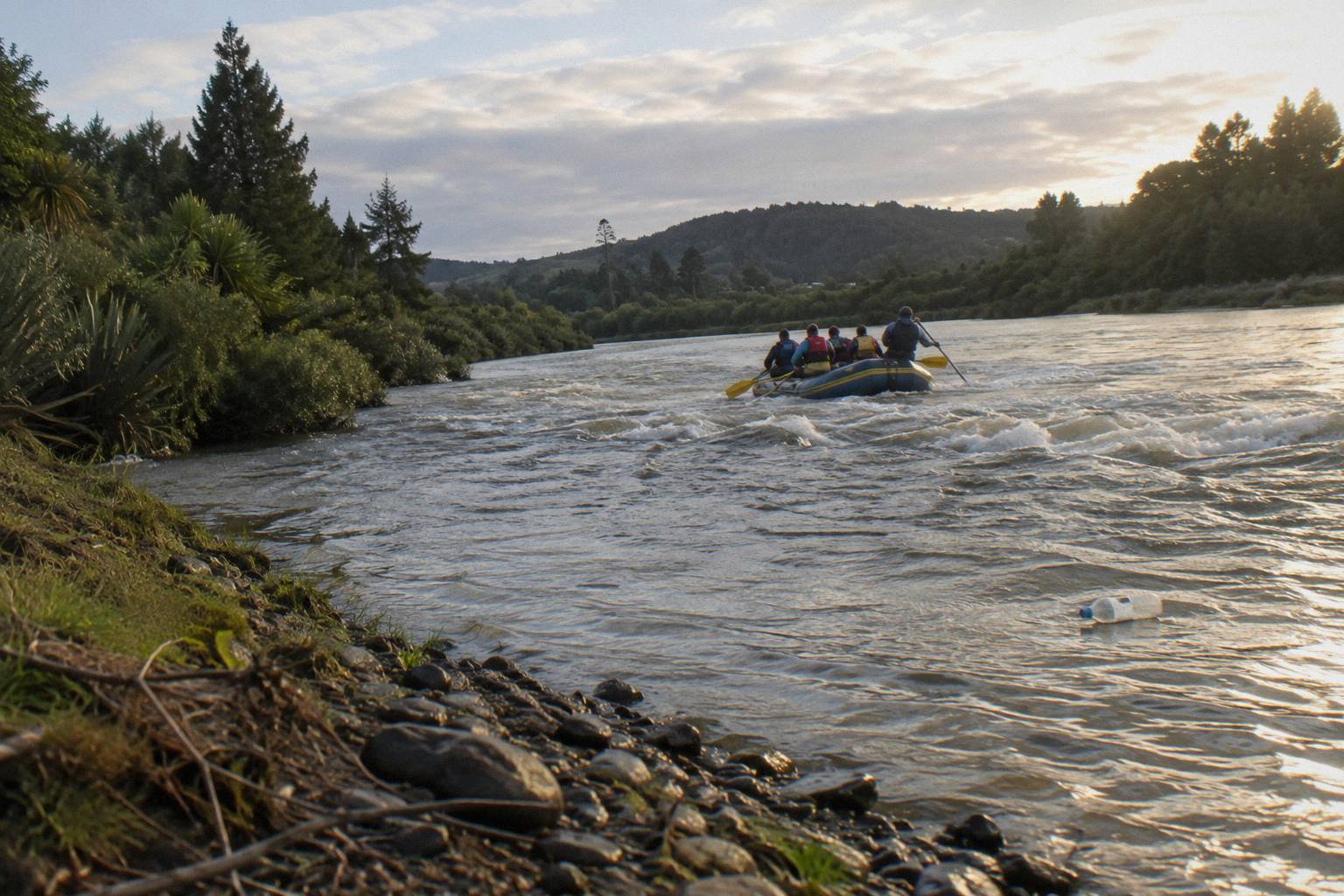
The Grade 2 Rangitaiki trip is the family and first-timer option, the Wairoa product is a Grade 5 step up near Tauranga, and the Kaituna Cascades Kaituna trip is the region's headline waterfall run. Where a group sits on that ladder is usually settled by its youngest member and by how much swimming anyone wants to do.
Who Suits The Grade 2 Trip And Who Suits The Wilderness Run
The Grade 2 trip is built for mixed-age groups, nervous first-timers and anyone who wants a river day without a training briefing, while the wilderness run suits confident paddlers 13 and over who want continuous rapids and a full day out in bush country. A five year old cannot legally worry about a Grade 4 rapid; they can sit in a raft on Grade 2 water with a life jacket on and paddle when told. Conversely, a group of fit adults who have already done a Kaituna trip may find Grade 2 water too gentle to hold their attention for the full run. Neither answer is wrong, they are different products for different people.
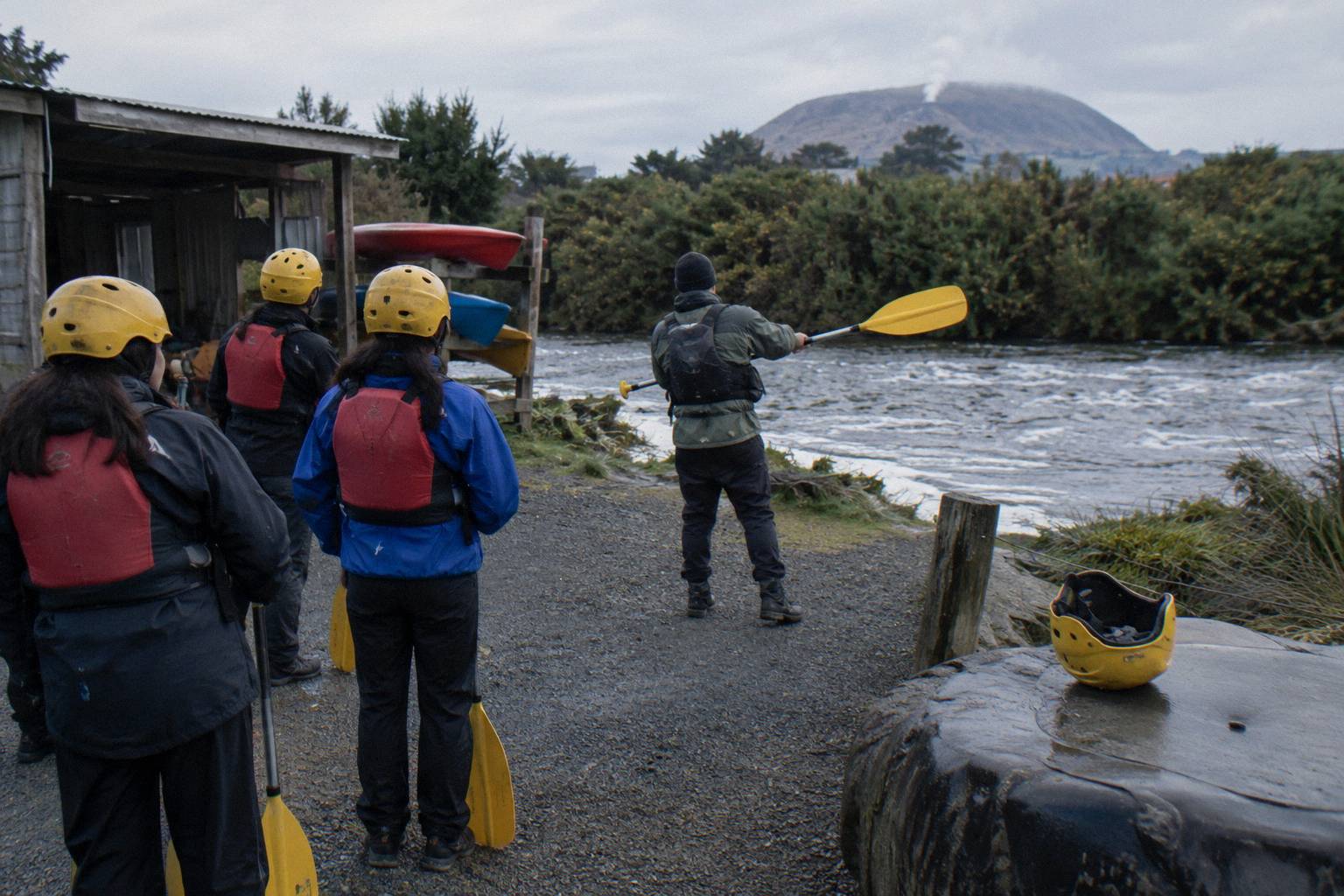
The Grade 2 trip's profile makes it the region's clearest family choice. The minimum age of 5 is on the product's own booking page, the 4 hour window includes 1.5 hours on the water, and the rest is gear-up, briefing and transport to and from the river. First-time rafters who want a fuller picture of what a first trip involves can read the white water rafting for beginners guide, which walks through briefings, paddling commands and the swimming question. Families weighing ages across several products should also check the minimum ages for rafting with kids guide, since ages are set per listing, not per river or per operator.
The wilderness run answers a different brief. Kaituna Cascades runs it when river levels and group size allow, sets a minimum age of 13 with a halfway join for 10 to 12 year olds, caps weight at 120 kg, asks crews to check in 15 minutes early, and notes the trip is not for pregnancy or heart conditions, with a float test possible on the day. Those are operator-stated terms, quoted from that company's own pages, and they sketch a day that expects fitness and attention. If that profile fits your group better than the Grade 2 float, ask the operator directly about dates, because availability is driven by conditions rather than a fixed timetable.
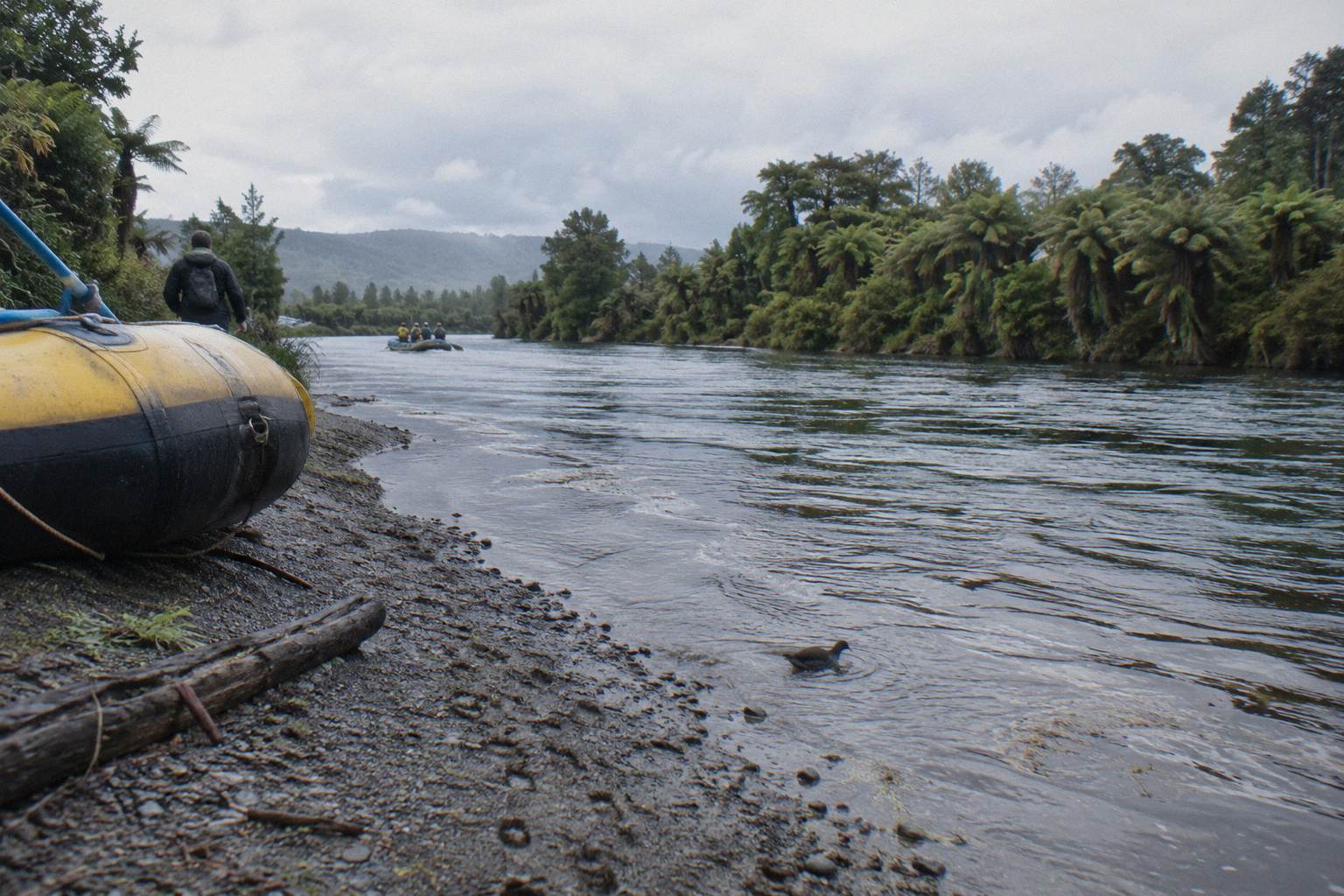
The Grade 2 Product's Figures
The bookable Rangitaiki product is the Grade 2 trip from Rotorua Adventures Kayak and Raft: 4 hours door to door, 1.5 hours on the water, minimum age 5, from NZ$125 per person, rated 4.9 from 7 reviews, and every one of those figures belongs to that single product and its own booking page. The review pool is small, seven reviews, so treat the rating as a promising early signal rather than a settled verdict, and check the live page for your date before planning around a price. The full shape of the day is in the table below.
| Detail | Figure on the booking page |
|---|---|
| Grade | 2 |
| Minimum age | 5 |
| Total duration | 4 hours |
| Time on the water | 1.5 hours |
| Price | From NZ$125 per person |
| Rating | 4.9 from 7 reviews |
| Operator | Rotorua Adventures Kayak and Raft |
Practically, 1.5 hours on the water is a real paddling session, longer than the Kaituna's famous 50 to 60 minute run, but at a grade where the effort is steady rather than frantic. The remaining 2.5 hours cover the moving parts: gear issue, safety briefing, the drive to the put-in and the take-out. Groups with teenagers who find Grade 2 too tame can look at whether beginners can handle Class 4 rapids as a reality check on the step up, and then decide whether the Rangitaiki or a harder river is the better first trip.
If this profile matches your group, the Grade 2 Rangitaiki trip's own page has the dates, and check availability shows the live calendar for the days you are in the region.
Mixing The Rangitaiki With A Harder River: The Wairoa Option
Groups split between ability levels often solve it with a two-river plan, and the natural upgrade from the Rangitaiki is the Wairoa Grade 5 product near Tauranga, a 5 hour trip from NZ$190 per person, minimum age 13, rated 5.0 from 470 reviews, running only on selected Sundays when water is released. The Wairoa is a different beast entirely: it departs 9:30am, puts about 2 hours on 5 km of river, requires confident swimming, and meets at a farm paddock take-out on State Highway 29. Kaituna Cascades publishes each season's release dates, and the count of days per year is a detail best confirmed on the company's own pages rather than rounded here.
The contrast with the Rangitaiki is the whole point. A Grade 2 day asks for a life jacket and a willingness to paddle; the Wairoa asks for fitness, swimming ability and a Sunday that matches a release date. Kaituna Cascades sets its terms for that trip at a minimum age of 13 and a maximum weight of 120 kg, with a must-swim requirement, and the river conditions page on the operator's site carries the flow picture that decides whether any given Sunday runs well. The Wairoa River rafting guide unpacks the full day plan, including the meeting point and what a release day looks like logistically.
A realistic pattern for a mixed-ability week in the region: the whole group does the Rangitaiki Grade 2 trip together, and the confident half adds a Wairoa Sunday or a Kaituna waterfall run on another day. That way nobody is pushed past their grade and nobody is bored, and the family still gets one shared river story. Readers building exactly that kind of itinerary can lift the structure from the one day built around a rafting trip guide.
Seasons, Levels And Booking Windows
The Rangitaiki's season is driven by river levels and group size rather than a fixed calendar: Kaituna Cascades runs its wilderness trip when the conditions line up, while the Grade 2 product follows its own published dates on the booking page. This is the practical difference between the Rangitaiki and the Kaituna in one sentence. The Kaituna, held at a raftable flow by council-controlled gates at the Lake Rotoiti outlet, runs every day of the year with multiple daily departures across the operators. The Rangitaiki has no such control structure guaranteeing a level, so the wilderness trip goes when the water is right and a crew is assembled, and the Grade 2 trip's dates live on its calendar.
| Rangitaiki, Grade 2 trip | Rangitaiki, wilderness run | Kaituna trips | |
|---|---|---|---|
| What sets availability | Published calendar on the booking page | River levels and group size, per Kaituna Cascades | Council-controlled gates hold the flow |
| Days per year | To its own calendar | On demand when conditions allow | 365 days a year |
| Best booking move | Book against travel dates | Ask the operator early | Often workable same week in quiet months |
What that means for planning: book the Grade 2 trip against your travel dates rather than waiting for a "season", and ask the operator about the wilderness run early, because a trip that needs both a level and a group needs lead time. Spring brings higher flows to the region's rivers, and the operators' own conditions pages are the place to read the current picture. Month-by-month expectations for the wider region, including winter running and what cold water changes, are laid out in the rafting season month by month guide, and the best month for white water rafting post answers the same question for travellers with flexible dates.
The booking window question also differs by product. The Wairoa, as a Sundays-only release river, effectively sells out around its published dates. The Kaituna runs so frequently that same-week booking is often workable in the quieter months. The Rangitaiki sits between the two: the Grade 2 trip has a normal tour calendar, while the wilderness trip depends on a conversation. Wherever your dates are fixed around school holidays or a weekend, checking availability early costs nothing and removes the one variable a plan cannot absorb.
What To Wear, Bring And Ask Before You Book
Kit on both Rangitaiki trips follows the regional pattern: operators supply wetsuits, helmets, life jackets and booties, you bring swimwear, a towel and a willingness to get changed in a shed, and the three questions worth asking before booking cover price, ages and river levels. Kaituna Cascades says to bring swimwear and a towel; the same logic applies to the Grade 2 trip, and the full packing logic, including what not to wear and why cotton loses to synthetic layers, is in the what to wear rafting guide and its companion what to bring guide. River temperatures in the region sit around 24 degrees C in summer and about 12 °C in winter per the operator FAQ, which is why the wetsuit is standard issue rather than an upsell.
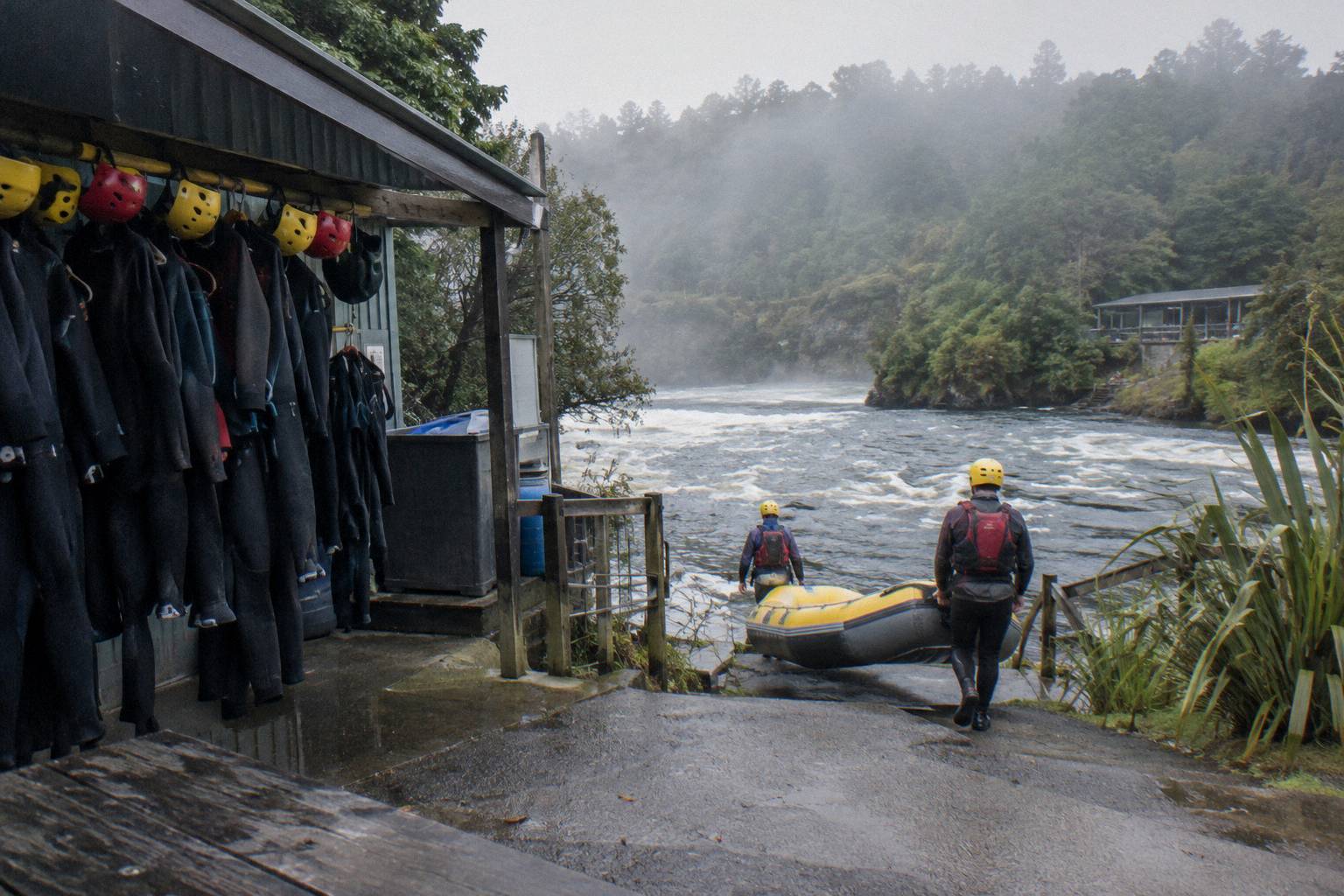
The question worth asking before booking any New Zealand rafting product is about the safety regime. Commercial adventure operators here must pass a safety audit by a WorkSafe-recognised auditor and appear on the WorkSafe adventure activities register under the Adventure Activities Regulations 2016. That is a checkable fact, not a vibe: the register is public and searchable by operator name. The general framework behind it is covered in the is white water rafting safe guide, which also addresses what the regulations changed and why the audit exists.
Three questions settle a Rangitaiki booking. First, what does the price for your actual date include, since amounts vary by date and group. Second, what are the age and weight terms on the product you are actually booking, because those are set per listing and differ between the two Rangitaiki trips. Third, for the wilderness run specifically, what levels and crew sizes the operator needs before confirming a day. Anyone who asks those three will book the right trip more often than anyone who compares star ratings alone.
Kaituna Versus Rangitaiki: Choosing Between Them
Choose the Kaituna for the waterfall spectacle and guaranteed daily water held by the gates at the Lake Rotoiti outlet; choose the Rangitaiki for a quieter forest river, a younger minimum age of 5 on the Grade 2 product, or a wilderness feel away from the busier put-ins. The Kaituna's headline is Tutea Falls, 7 metres by the operators' figure, which operators describe as the highest commercially rafted waterfall in the world, run 365 days a year. The Rangitaiki's headline is the opposite: forest, space and a grade you can pick to match your group. The taupo or Kaituna comparison runs a similar either-or for a different pair of rivers.
The Kaituna Cascades Kaituna product, rated 5.0 from 1,385 reviews, from NZ$135 per person, 2 hours, minimum age 13 on that listing, is the region's default rafting answer for good reason, and the Kaituna Cascades operator guide covers it in depth. Note the sibling listing from the same operator, the Tutea Falls 2h Rafting product rated 4.9 from 380 reviews, which is a separate card with its own price on the booking page; the two are never one product at two prices. Travellers coming from the coast can fold the trip into a Bay of Plenty day via the Tauranga to the Kaituna travel guide.
If the Kaituna's waterfall and the Rangitaiki's calm both appeal, there is also a middle path: the Kaitiaki Kaituna trip with hotel transfers, rated 5.0 from 823 reviews, from NZ$139 per person, minimum age 13, which bundles pickup into the day. That product suits visitors staying in town without a car, the position many Rangitaiki-bound travellers are also in given the wilderness run's no-self-drive rule. The Kaituna operators compared guide puts all the Kaituna-side options in one table for readers working through that decision in parallel.
What Trips People Up Before You Book
Most Rangitaiki booking mistakes come from treating the river as one product: assuming one grade, one minimum age, or one price, and then discovering the trip that matched your group was the other company's, with the wrong age limit or the wrong kind of water attached. The single most common error is reading a Kaituna Cascades Grade 4 description and booking it for a family whose youngest is seven, when the Grade 2 trip with its minimum age of 5 was the product that fit. The mirror error is a group of fit adults booking the Grade 2 float and finding the gentle water underwhelming for a full session. Both are avoided by matching the group to the product, not the river to the date.
The second family of mistakes is logistical. The wilderness run's meeting is 9:30am with a 15 minute early check-in and no self-drive, so a morning drive from Rotorua assumptions fail; confirm the central pickup instead. The Wairoa, if it is part of your plan, only runs on selected Sundays and meets in a farm paddock on State Highway 29, which is not a detail you improvise on the day. Weight limits differ between operators, 120 kg on the Kaituna Cascades terms, and ages are per listing, so a child who qualifies for one product may not qualify for its twin. Check dates, check ages, then check the weather.
One more thing worth knowing before you commit anywhere: Rafting Rotorua exists to make this exact comparison easy, with a page per river, per operator and per product, so a decision like Rangitaiki versus Kaituna does not have to be assembled from fragments. Read the pages that match your shortlist, check availability on the live pages for your dates, and book the trip whose terms, not whose waterfall photos, fit your group.
Common Questions About The Rangitaiki
What Grade Is The Rangitaiki River?
There is no single grade. Kaituna Cascades describes its wilderness trip on the river as Grade 4, while the bookable Grade 2 product from Rotorua Adventures Kayak and Raft is Grade 2 with a minimum age of 5. Each grade belongs to its own operator and product, so always check which trip a grade number refers to.
Can Children Go Rangitaiki Rafting?
On the Grade 2 product, yes, from age 5 per its booking page. The Kaituna Cascades wilderness run has a minimum age of 13, with ages 10 to 12 able to join halfway along the run. Ages are set per listing, so confirm the figure for the specific product and date you book.
How Long Is The Grade 2 Rangitaiki Trip?
Four hours in total, of which 1.5 hours are on the water; the rest is gear-up, briefing and transport to and from the river. The trip is priced from NZ$125 per person, and the booking page shows the price for your date.
When Does The Rangitaiki Run?
The Kaituna Cascades wilderness trip runs when river levels and group size allow, so dates are arranged with the operator. The Grade 2 trip runs to its own published calendar on the booking page. Unlike the Kaituna, which gates at the Lake Rotoiti outlet keep rafting 365 days a year, the Rangitaiki has no guaranteed daily level.
What Should You Wear For Rangitaiki Rafting?
Operators supply wetsuits, helmets, life jackets and booties; you bring swimwear and a towel. Regional river water runs about 24 degrees C in summer and about 12 °C in winter per the operator FAQ, so the wetsuit is standard kit at any time of year. Avoid cotton layers, which stay wet and cold.
Rangitaiki Or Kaituna: Which Is Better For Beginners?
For a first rafting trip, the Grade 2 Rangitaiki product is the gentler start, with a minimum age of 5 and no experience expected. The Kaituna is a bigger commitment, a Grade 5 waterfall run with Tutea Falls at 7 metres by the operators' figure. Confident beginners handle the Kaituna every day, but the Rangitaiki is the calmer entry point.