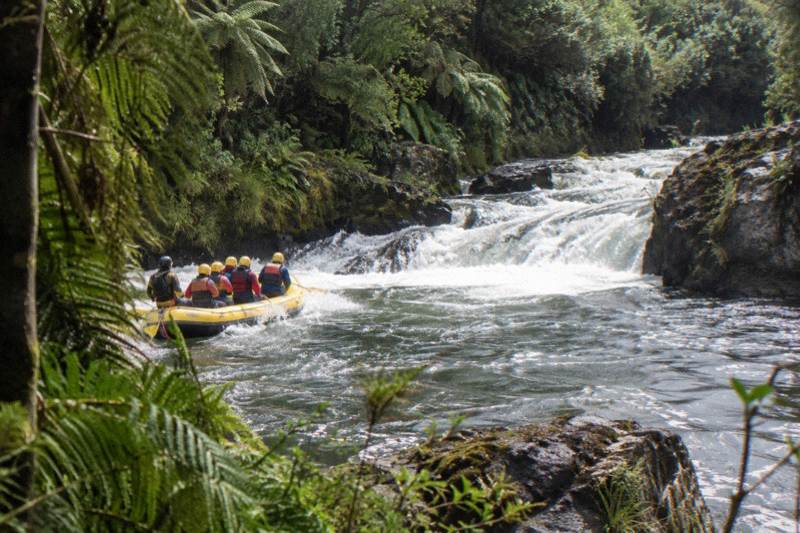
Do You Need To Swim Or Be Fit To Go Rafting?
Most Kaituna rafting trips do not ask you to prove you can swim, but one regional trip does, and every operator sets its own age, weight and health rules. Here is what each operator actually requires before you climb into a raft.
Short answer
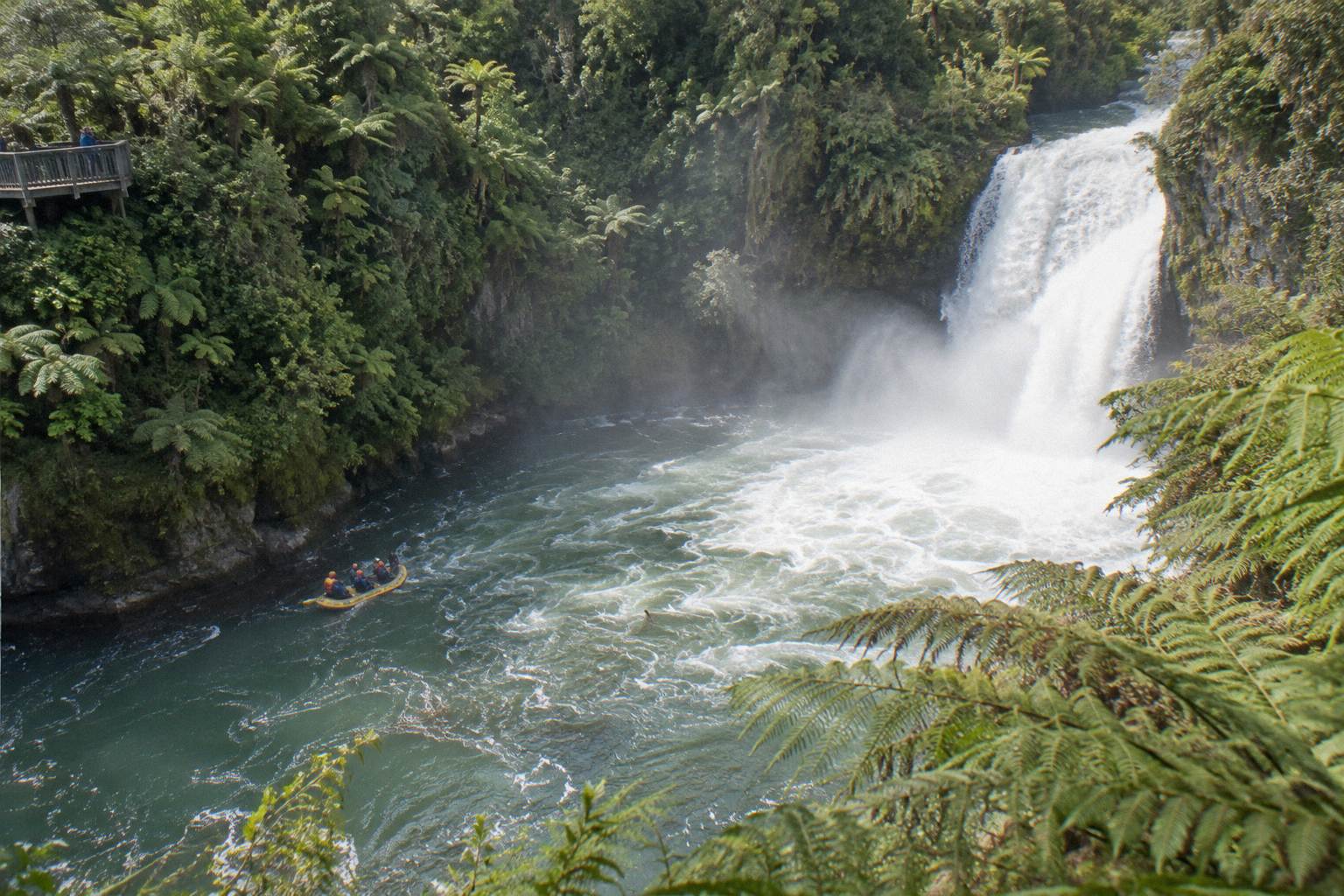
No Kaituna operator lists swimming ability as a booking requirement, though Kaituna Cascades says a float test may be required. The Wairoa River trip states you must be able to swim. Fitness is not screened, but weight limits of 120 to 130 kg and health rules around pregnancy and heart conditions apply per operator. Ages start at 5, 10 or 13 depending on the listing.
Rafting on the Kaituna is a two hour experience built around a 50 to 60 minute run on the water, and the entry rules are set by each operator rather than by the river. Start with the Kaituna products listed on Rafting Rotorua to see what is bookable, then use the requirements below to work out who in your group can go.
| Fact | Detail |
|---|---|
| Time on the water | 50 to 60 minutes inside a roughly 2 hour Kaituna experience, per Kaituna Cascades |
| Tutea Falls height | 7 metres, the operators' figure |
| Water temperature | About 24 °C in summer, about 12 °C in winter, per the Rotorua Rafting FAQ |
| Gear supplied | Wetsuits, helmets, life jackets, fleece, booties and splash jacket, per operator pages |
| Year round running | Council-controlled gates at the Lake Rotoiti outlet keep the Kaituna rafting 365 days a year, per Kaituna Cascades |
| Minimum ages | 5, 10 or 13 depending on the product listing |
| Weight limits | 120 kg with Kaituna Cascades, 130 kg with Rotorua Rafting |
Do You Need To Swim To Go Rafting?
Swimming is not listed as a booking requirement on the Kaituna rafting products, so for most Rotorua trips the answer is no. The exception is the Wairoa River trip near Tauranga, which states you must be able to swim. Kaituna Cascades also says a float test may be required, which is a check on how you handle being in water rather than a swimming race.
The distinction matters because rafting and swimming are different skills. You wear a life jacket and a helmet on every trip listed here, the operators supply both, and the life jacket is what keeps you at the surface if you end up in the water. What the operators are screening for with a float test is comfort in moving water: can you float, stay calm and follow a guide's instruction until you are back in the raft.
Kaituna Cascades puts it as a float test that may be required, not a swim test you must pass, and the wording leaves the decision with the crew on the day. If being in deep water worries you, that is worth raising when you book rather than at the river bank. For what actually happens in the water, read what happens if you fall out of the raft, which covers the lifejacket and helmet fitting the coroner's findings recommended.
One trip on this site closes the question entirely. The Wairoa product, a Grade 5 run on released water near Tauranga, states you must be able to swim. That is the only swimming requirement stated outright on any of these products, and it makes sense on a steeper, faster river where the operator cannot manage the same level of control as on a guided Kaituna run.
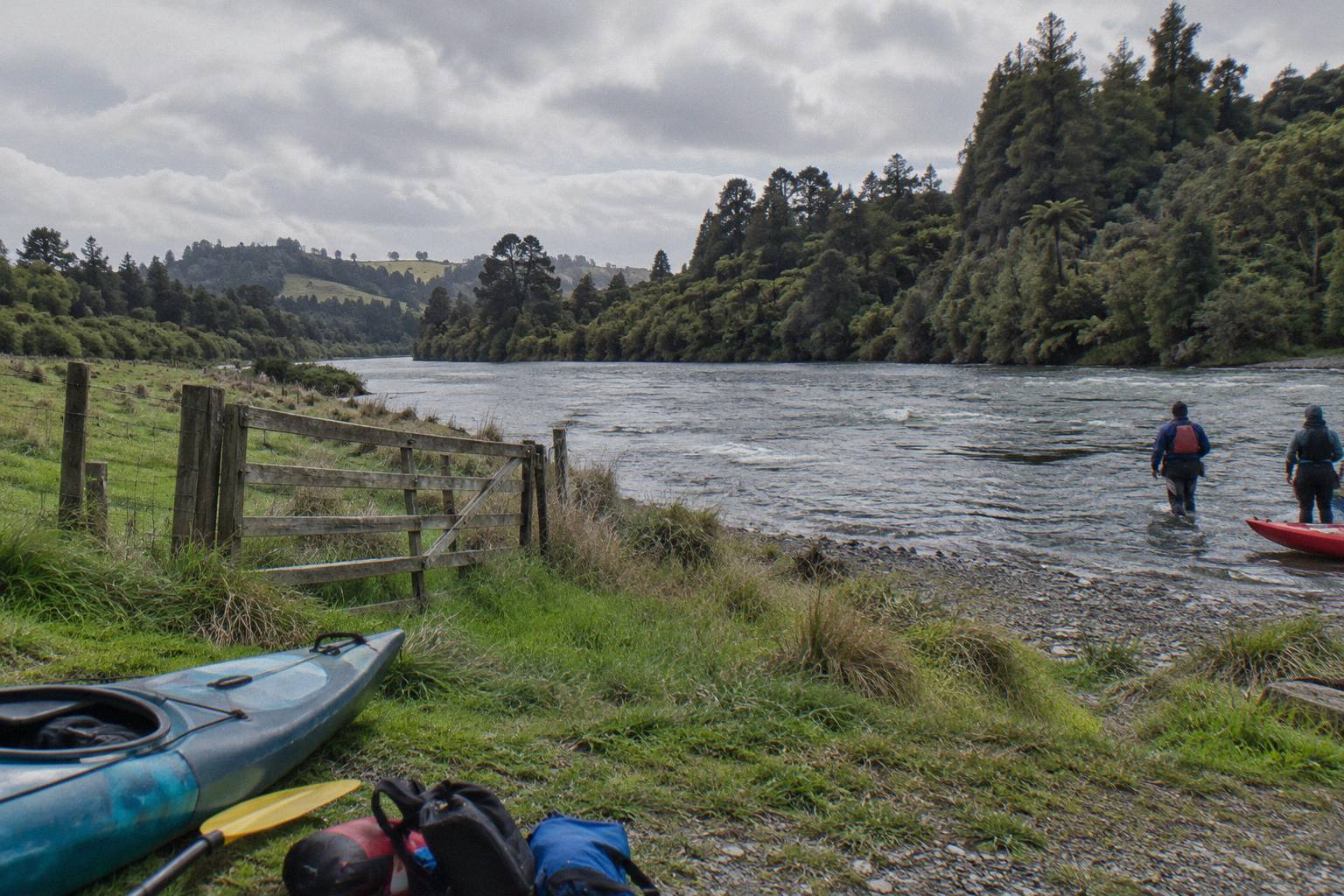
The Kaituna itself is a forgiving place to be a non swimmer by whitewater standards, though that is a relative claim. According to the Wikipedia entry for the Kaituna River, the river flows out of Lake Rotoiti and down the Okere Falls section that the rafting industry uses, and the Wikipedia page on whitewater explains the International Scale of River Difficulty that the Grade 4 and Grade 5 labels come from. The rapids build from Grade 4 to the falls, per the Kaituna Cascades blog, so the run is engineered to escalate rather than to start at its hardest.
How Fit Do You Need To Be?
No operator on this site screens for fitness, and none of the product pages asks about your training or endurance. Rafting is a paddling sport done in short bursts with a guide calling the strokes, and the roughly 50 to 60 minutes on the water is broken up by calm pools between rapids. The demands that matter are grip strength for the paddle, the ability to crouch low on command, and steady enough balance to move when told.
That is a general description of the activity, not an operator claim, and the operators themselves say very little about fitness. What they do publish are hard limits: ages per listing, maximum weights, and health exclusions. Those are the gates you actually pass through when booking, so treat them as the fitness test in practice. If you can climb into a raft from river level, hold a paddle for an hour with breaks, and brace through a drop when the guide calls it, the trips here are designed for you.
The gear also changes the equation. Operators supply wetsuits, helmets, life jackets, fleece, booties and a splash jacket, per the operator pages, and the buoyancy of the life jacket does real work in the water. Winter water sits around 12 °C and summer around 24 °C per the Rotorua Rafting FAQ, so the cold, not the exertion, is more likely to be the thing you notice. Dressing for it is covered in detail in what to wear white water rafting.
If your group includes someone unsure about paddling a full run, the Kaituna has a halfway option worth knowing about: Kaituna Cascades says ages 10 to 12 join halfway along the run rather than from the put-in. That shortens the demands considerably and is one of the quiet advantages of this river over bigger wilderness trips.
What Each Trip Requires At Booking
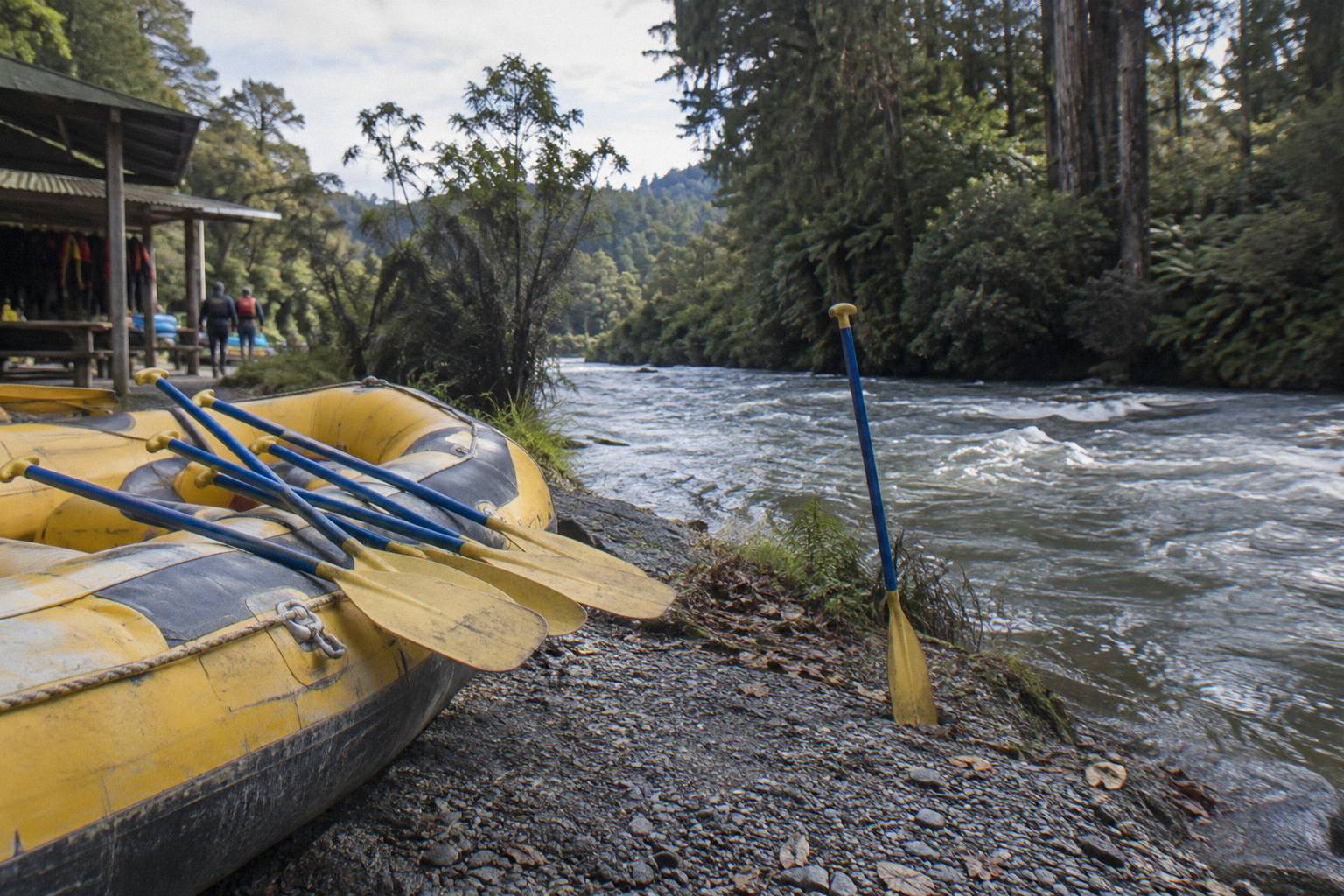
At booking, each listing sets its own minimum age and duration: the Kaituna requires 10 on the two Rotorua Rafting sauna listings and 13 on the Kaituna Cascades and Kaitiaki Adventures listings, the Wairoa trip requires 13, and the Grade 2 Rangitaiki product from Rotorua Adventures Kayak and Raft allows ages from 5. Durations range from 2 hours up to a 9 hour hike and raft combo.
The table below carries each product's own numbers from its own listing. Twin products on this site are separate bookable trips with separate figures, so the two sauna runs and the two Cascades trips are listed as the separate products they are. Always confirm the age on the booking page for your date, because a listing's minimum age is the operator's rule for that product, not a blanket policy across everything they sell.
| Product (short name) | Minimum Age On Its Listing | Duration |
|---|---|---|
| Free Sauna, 2h30 Kaituna Trip | 10 | 2h30 |
| Free Sauna, 2h Kaituna Run | 10 | 2h |
| Kaituna Cascades, The Originals | 13 | 2h |
| Tutea Falls 2h Rafting | 13 | 2h |
| Rafting With Hotel Transfers | 13 | 2h30 |
| Kaituna Rafting, Free Pickup, 2.5h | 13 | 2.5h |
| Sledging With Transfers | 13 | 2h30 |
| River Board Sledging, Free Pickup | 13 | 2.5h |
| Wairoa River Grade 5, 5h | 13 | 5h |
| Grade 2 Rafting, 4h | 5 | 4h, 1.5h on the water |
Swimming and float requirements are stated on only some of these products, and only by the operator that states them. The Wairoa listing says you must be able to swim; Kaituna Cascades says a float test may be required on its trips. Ask the operator about anything unstated for a specific product before you book.
| Product | Stated Swimming Or Float Requirement |
|---|---|
| Wairoa River Grade 5, 5h | You must be able to swim, per the operator's Wairoa page |
| Kaituna Cascades Kaituna trips | A float test may be required, per the operator's terms |
One product on this site solves the logistics question as well as the age question. "Rotorua White Water Rafting | Kaitiaki Adventures + Transport", called Rafting With Hotel Transfers below, runs 2h30 on the Kaituna with a minimum age of 13 on its listing and free hotel pickup included on that product only. Its twin, Kaituna Rafting, Free Pickup, 2.5h, covers the same river at the same minimum age but with you making your own way there. See the Rafting With Hotel Transfers product page for dates, or check availability if you already know your day.
Weight Limits And Why They Exist
Kaituna Cascades caps its trips at 120 kg and Rotorua Rafting at 130 kg, the only two weight figures the operator pages publish here. The limits exist because gear is sized equipment: wetsuits, life jackets and harness fittings only protect a body they actually fit. Neither operator lists a minimum weight, so if a young child is in your group, ask before you book.
| Operator | Maximum Weight | Where It Applies |
|---|---|---|
| Kaituna Cascades | 120 kg | Its Kaituna and Wairoa trips |
| Rotorua Rafting | 130 kg | Its Kaituna trips |
The weight limits are per operator, not per river. Two operators run the same Okere Falls stretch of the Kaituna with different caps, which surprises people who assume the river sets the rule. It is the gear inventory and the operator's own risk assessment that set the number, which is also why the figures should never be carried across from one product to another when you compare trips.
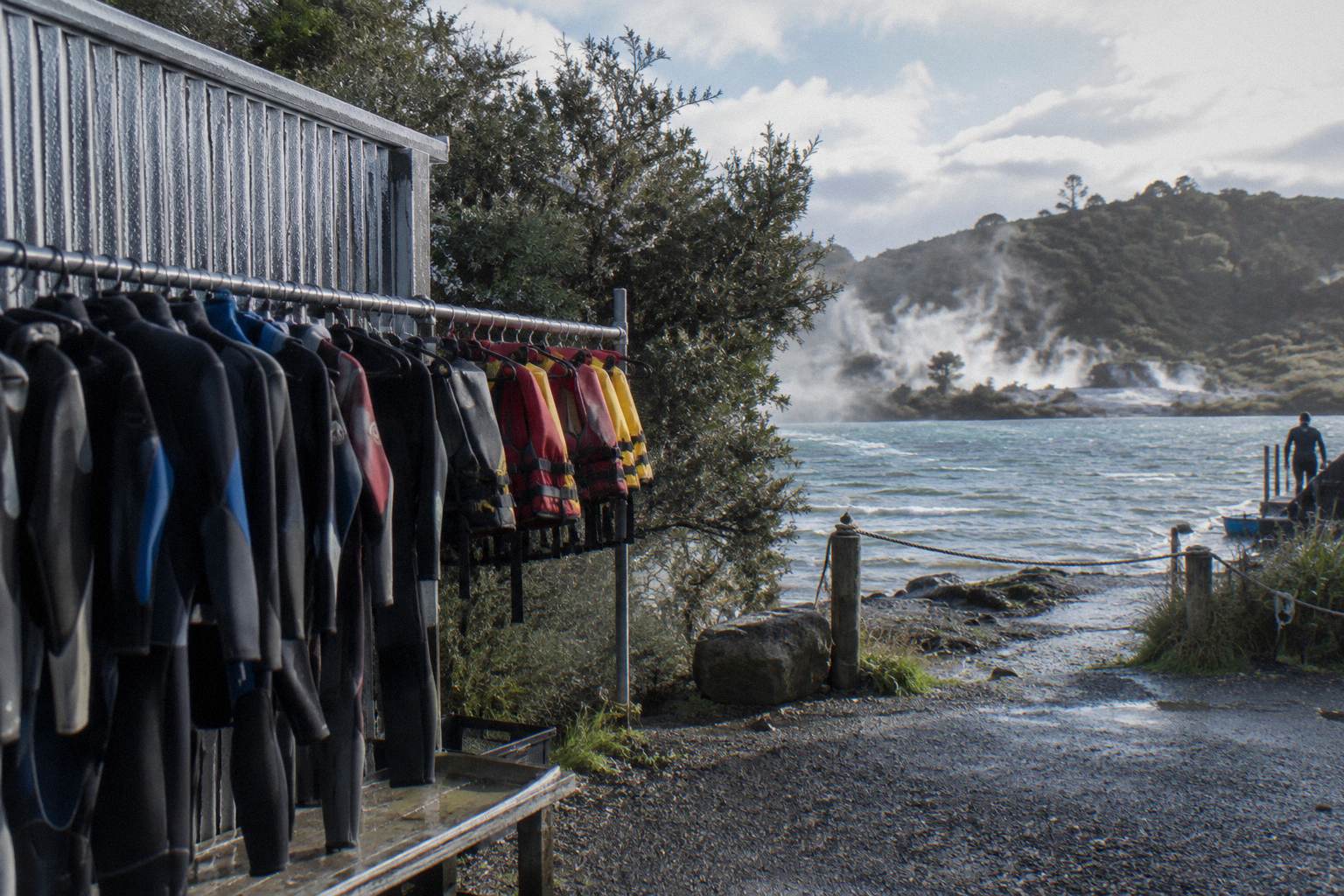
Practically, the number to check is the one attached to the product you are actually booking, on its own page, before you pay. If anyone in your group sits near a limit in either direction, one short question to the operator settles it, and settling it before the drive out saves a wasted trip.
Who Should Not Go Rafting?
Kaituna Cascades states its trips are not for pregnancy or heart conditions, and that is the clearest health guidance published by any operator here. Beyond that, the exclusions are the ones implied by the gear: the weight limits above, the ages per listing, and the swimming requirement on the Wairoa product. No operator page here gives a general medical clearance list, so any other condition, from recent surgery to medication questions, needs to go to the operator directly before booking.
The pregnancy and heart condition exclusion is worth taking seriously rather than working around. Rafting combines cold water, sharp exertion in bursts, and the breath-holding moments that come with a 7 metre drop, by the operators' figure for Tutea Falls. A heart condition that limits exertion on land does not improve in a cold river. The operators put the rule on their terms page because it is the kind of exclusion that only the person booking can honestly self-assess, which is why it is stated up front rather than checked at the base.
| Condition Or Limit | Operator Guidance |
|---|---|
| Pregnancy | Not suitable, per Kaituna Cascades' stated terms |
| Heart conditions | Not suitable, per Kaituna Cascades' stated terms |
| Weight above 120 kg | Outside Kaituna Cascades' limit |
| Weight above 130 kg | Outside Rotorua Rafting's limit |
| Unable to swim | Only a bar on the Wairoa product, which requires it |
Everything the safety system asks of you beyond that is handled by the regime behind the trips. Adventure activity operators in New Zealand must pass a safety audit by a WorkSafe-recognised auditor and register with WorkSafe under the Adventure Activities Regulations 2016, and the WorkSafe adventure activities register is the public record of that. The WorkSafe adventure activities regime page explains how the rules work. That is the machinery behind the briefing, the gear check and the guide's calls on the day; your part is disclosing the health facts the operator asks for.
The Wairoa Exception: A Trip That Requires Swimming
The Wairoa River product is the one trip here with a hard swimming requirement, and it carries the hardest conditions overall: Grade 5 water, a 9:30am departure, minimum age 13, maximum weight 120 kg, and selected Sundays only when the power company releases water. The operator describes about 2 hours on 5 km of river inside a 3 to 4 hour day, meeting at 1376 State Highway 29 in a farm paddock at the take-out near Tauriko, Tauranga.
The swimming rule on the Wairoa is not boilerplate. Released water means a river that runs on a schedule rather than on rain, at a volume and speed the operator cannot dial down, and the operator's own page pairs the Grade 5 label with the must-swim line. Where the Kaituna pools let a guide gather people up, the Wairoa moves continuously by comparison, so a swimmer's self-reliance is part of the safety case. The release Sundays are listed on the operator's page, and the booking calendar holds the dates, so check the calendar rather than assuming a Sunday works.
If reading that description made you reconsider, the honest move is the right one: the Kaituna trips exist at a lower bar, with ages from 10 on the two sauna listings and a guide-controlled descent of Tutea Falls rather than a full Grade 5 commitment. The Wairoa rafting guide covers that trip in full if you want the whole picture before deciding, and the comparison below is not like for like: the Wairoa product and the Kaituna products are different rivers, different durations and different requirements.
Ages, Kids And The Easiest First Trip
The easiest first trip is the Grade 2 Rangitaiki run from Rotorua Adventures Kayak and Raft, which has the lowest minimum age on this site at 5 and takes 4 hours with 1.5 hours on the water. Grade 2 is the gentlest class on the international scale, while Kaituna trips run higher: Rotorua Rafting sauna listings require age 10, Kaituna Cascades and Kaitiaki sit at 13, and ages 10 to 12 join the Cascades run halfway.
The Rangitaiki options need careful reading because two different operators run trips there and their descriptions differ. The product, Grade 2 Rafting, 4h, is a Rotorua Adventures Kayak and Raft listing: Grade 2, minimum age 5, 4 hours with 1.5 hours on the water. Separately, Kaituna Cascades describes a Grade 4 wilderness trip on the Rangitaiki, meeting 9:30am at 33 Waipa State Mill Road or a central pickup, about an hour south-east towards Murupara, running when river levels and group size allow. Those are two operators' trips and the grades are each the operator's own description, never one number for the river. The Rangitaiki rafting guide separates them properly.
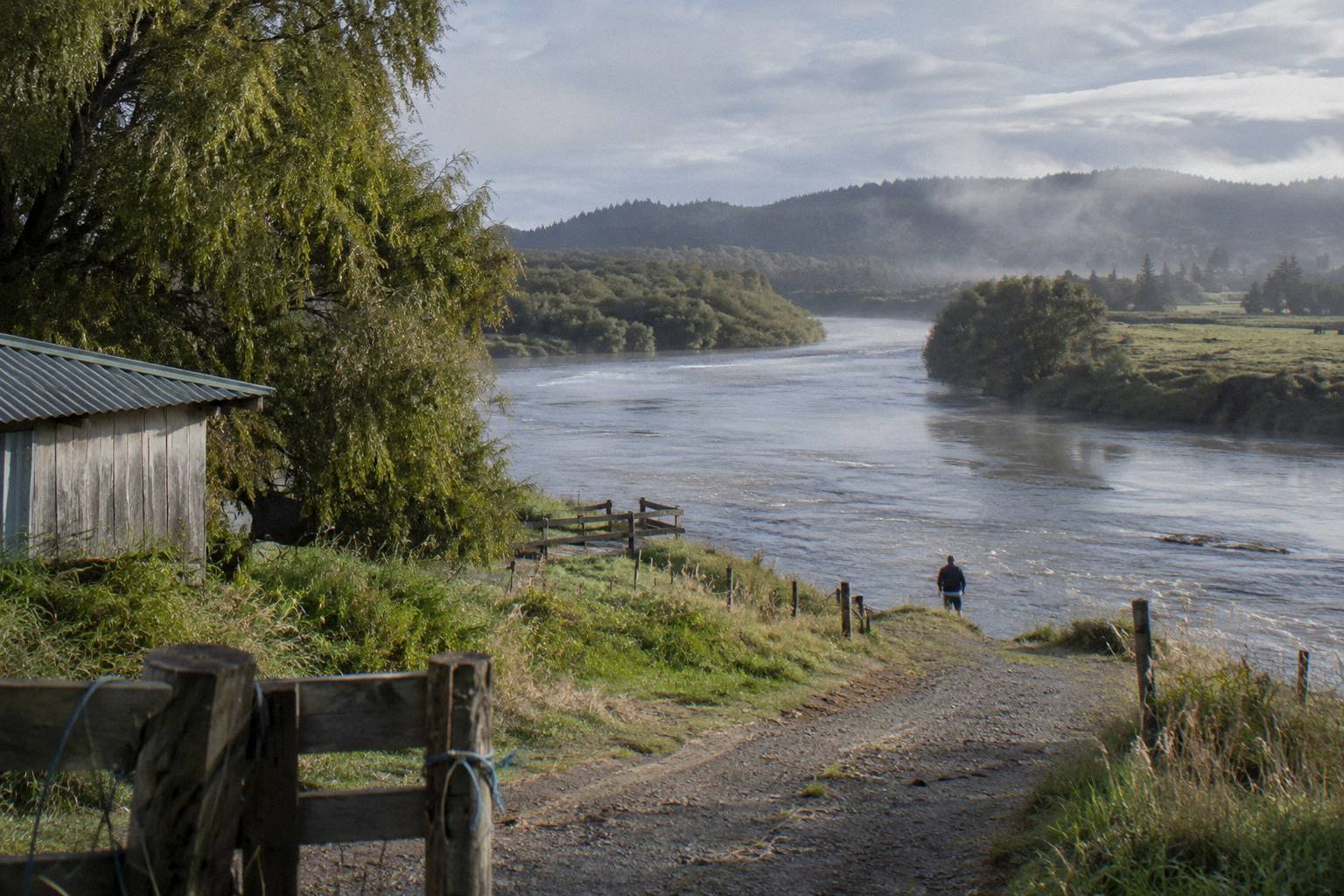
For a first family trip, the practical ladder looks like this: the Grade 2 product at age 5 for the youngest families, a Kaituna sauna run at age 10 for kids ready for real rapids, and the full Kaituna or Wairoa products at 13 and up. Ages print per listing, so a 12 year old can be old enough for one product and not for another from the same operator, which is exactly the kind of detail worth checking on the booking page before promises are made at home.
For nervous adults rather than kids, the same ladder works in reverse. Grade 2 water, per the international scale, means small waves and clear channels, and the 1.5 hours on the water is short enough that the commitment is over before the doubts build. Plenty of people use a gentle trip to answer the swimming question for themselves before booking a run at Tutea Falls.
What Trips People Up Before You Book
The booking mistakes here follow a pattern: assuming one operator's age or weight rule applies to the whole river, treating the twin products as the same product, and forgetting that only the Wairoa requires swimming while only Kaituna Cascades mentions a float test. People also book the Wairoa without checking release Sundays, and arrive at the wrong base, because the three Kaituna operators run from three different addresses.
The base addresses matter more than you would expect on a morning schedule. Kaituna Cascades operates from 18 Okere Falls Road with free parking and direct river access; Rotorua Rafting bases itself at 761 State Highway 33, about 20 minutes from central Rotorua; Kaitiaki Adventures works from 1135 Te Ngae Road, Tikitere. Kaituna Cascades asks rafters to check in 15 minutes early. Getting two of those mixed up on a day with fixed departure times can cost you the trip, so confirm which base your product uses before you leave your accommodation.
Kit mistakes are the other category. Operators supply the wetsuits, helmets, life jackets, fleece, booties and splash jacket, and Kaituna Cascades asks you to bring swimwear and a towel. Footwear questions have their own answers in what to bring white water rafting. The one thing the operators cannot supply is disclosure: pregnancy, heart conditions and a weight near either limit need to be raised by you, at booking, not discovered at the river.
Finally, do not read the twin products as a price puzzle. The listings carry separate bookable products with their own cards and their own from prices, from NZ$74 per person on the 2 hour sauna run to NZ$190 per person on the Wairoa, and each figure belongs to its own product alone. Amounts are New Zealand dollars, prices vary by date and group, and the booking page shows the price for your date. Check the live price once your dates are firm rather than planning around a from figure.
Keep reading: whether the sauna products suit a first trip, a month by month look at Kaituna seasons, and rafting compared with river sledging on the Kaituna.
Ready to pick a product? Match each listing's ages and limits to your group before you book, and the swimming question, the fitness question and the weight question all answer themselves from the tables above.
Common Questions About Swimming And Fitness For Rafting
Do You Need To Swim To Go Rafting?
Not on the Kaituna products: no Kaituna operator lists swimming as a booking requirement, though Kaituna Cascades says a float test may be required. The Wairoa River product states you must be able to swim. Life jackets are supplied and fitted on every trip here.
Do You Need To Swim To Go Rafting On The Kaituna?
Swimming is not listed as a requirement on the Kaituna products. Kaituna Cascades states a float test may be required, which checks comfort floating in water rather than swimming strokes. Anyone worried about deep water should raise it with the operator at booking.
How Fit Do You Need To Be For White Water Rafting?
No operator here screens fitness. The Kaituna run is 50 to 60 minutes on the water with calm pools between rapids, and guides call every stroke. The hard requirements are the ones published: ages per listing, weight limits of 120 kg or 130 kg, and health exclusions for pregnancy and heart conditions.
Is There A Weight Limit For Rafting?
Kaituna Cascades sets a maximum of 120 kg on its Kaituna and Wairoa trips, and Rotorua Rafting sets 130 kg. The limits exist because wetsuits and life jackets are sized gear that only works when fitted. No minimum weight appears on the operator pages, so ask the operator about very small children.
Can Children Go Rafting In Rotorua?
Yes, with ages tied to each listing. The Grade 2 Rangitaiki product from Rotorua Adventures Kayak and Raft allows ages from 5, the two Rotorua Rafting sauna listings carry a minimum age of 10, and most other Kaituna and Wairoa products sit at 13. Kaituna Cascades says ages 10 to 12 join its run halfway.
Who Should Not Go White Water Rafting?
Kaituna Cascades states its trips are not for pregnancy or heart conditions. Beyond that, anyone over the operator's weight limit, under the listing's minimum age, or unable to swim on the Wairoa product cannot book that trip. Any other medical question should go to the operator before booking.