White Water Rafting In New Zealand: Rivers, Grades, And Seasons
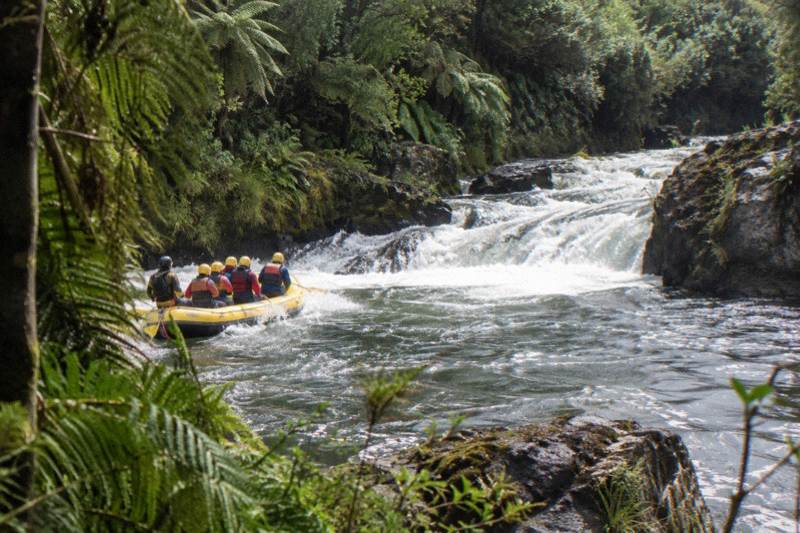
Three rivers carry almost every rafting booking made from Rotorua: the Kaituna with its 7 metre waterfall, the Sunday-only Wairoa, and the gentler Rangitaiki. Here is how the grades, seasons and trip shapes differ, so the choice takes minutes instead of hours.
Short answer
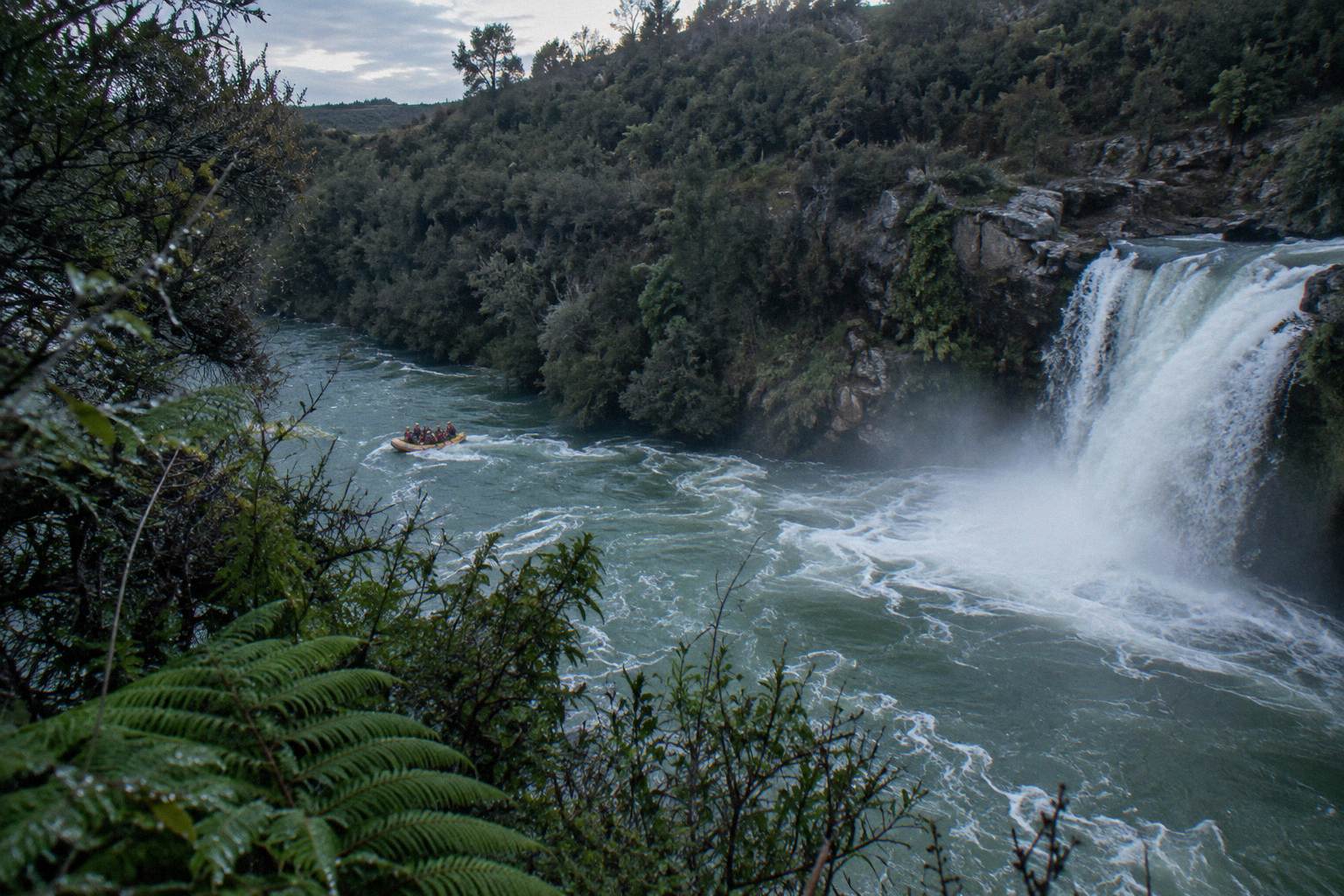
The Kaituna runs every day of the year, sold as Grade 5, with about 50 to 60 minutes on the water inside a roughly 2 hour experience. The Wairoa is Grade 5 on selected release Sundays only, about 2 hours on 5 km of river. The Rangitaiki Grade 2 trip runs 4 hours with 1.5 hours on the water and takes children from age 5.
Start with the Kaituna rafting trips that run daily, because the Kaituna is the river most visitors from Rotorua end up booking, and every other choice on the page is measured against it.
| Fact | Detail |
|---|---|
| Rivers covered | Kaituna, Wairoa, Rangitaiki |
| Kaituna grade | Sold as Grade 5 (Class V); rapids described as Grade 4 and 5 building to the falls |
| Kaituna waterfall | Tutea Falls, 7 metres, the operators' figure |
| Wairoa grade | Grade 5, selected Sundays only on water releases |
| Wairoa length | About 2 hours on 5 km of river, 3 to 4 hours overall |
| Rangitaiki Grade 2 trip | 4 hours with 1.5 hours on the water, minimum age 5 |
| Kaituna season | 365 days a year; gates at the Lake Rotoiti outlet hold the flow |
| Currency | All amounts are New Zealand dollars |
Where Can You Go Rafting Around Rotorua?
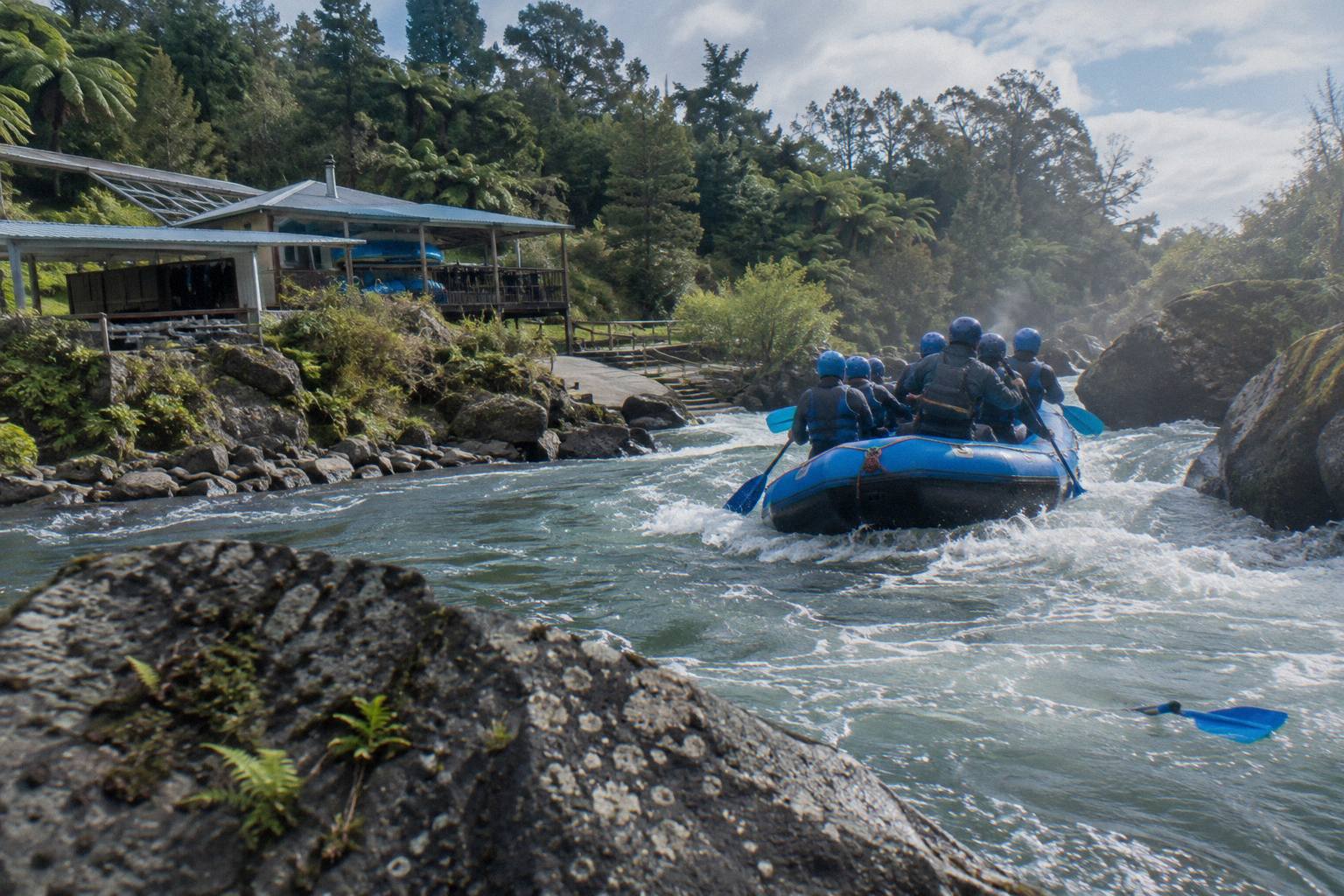
Three rivers take rafters out of the Rotorua area: the Kaituna at Okere Falls 23 minutes from the city, the Wairoa near Tauriko towards Tauranga, and the Rangitaiki about an hour south-east towards Murupara. Each one runs under different rules: the Kaituna every day of the year, the Wairoa only on release Sundays, and the Rangitaiki when river levels and group size allow. Nothing else on this site reaches beyond those three.
The Kaituna is the everyday engine of the region. Council-controlled gates at the Lake Rotoiti outlet hold the flow, which is why the river runs 365 days a year regardless of rain. That single piece of infrastructure shapes every plan on the page: it means a Kaituna seat can be booked a day ahead, or on the day, without gambling on weather. Operators base themselves at Okere Falls, a short drive from the city, and run multiple departures through daylight hours. If you want to read the full river profile first, the complete Kaituna river rafting guide covers the run in depth.
The Wikipedia entry for the Kaituna River gives the wider geography if you want context before booking. The other two rivers are specialist choices. The Wairoa near Tauranga only carries rafts when the power company releases water down it, which turns it into a calendar-driven trip rather than a spontaneous one. You cannot wake up in Rotorua on a random Saturday and decide to paddle the Wairoa that afternoon; the water simply is not there. The Rangitaiki is the quieter, warmer-water option for families and cautious first timers, running through country that feels far removed from the Kaituna's tight gorge.
One scope note so the page stays useful: no other river or region appears on this site, so everything below compares just these three. That is enough, because they sit at three different points on the difficulty scale and at three different price points. Rather than spreading thin across a dozen options, the depth here goes into the differences that actually change a booking: grade, calendar, time on the water, who can go, and what the day costs.
Kaituna, Wairoa Or Rangitaiki: Which River Suits You?
Pick the Kaituna for a daily, all-year Grade 5 run with a 7 metre waterfall and a from price of NZ$135 per person on the Kaituna Cascades trip. Pick the Wairoa if you want hard Grade 5 water and can align your plans with a release Sunday, from NZ$190 per person. Pick the Rangitaiki Grade 2 trip for children from age 5 or nervous first timers, from NZ$125 per person.
| River | Grade | Season | Length | Minimum Age |
|---|---|---|---|---|
| Kaituna | Sold as Grade 5; Grade 4 and 5 rapids | 365 days a year, gates hold the flow | 50 to 60 min on water, about 2 hours total | 10 or 13 depending on the listing |
| Wairoa | Grade 5 | Selected Sundays on water releases | About 2 hours on 5 km, 3 to 4 hours overall | 13 |
| Rangitaiki | Grade 2 on the Rotorua Adventures listing | Runs when levels and group size allow | 4 hours, 1.5 hours on water | 5 |
The honest framing is fitness and appetite, not courage. The Kaituna is sold as Grade 5 because of its waterfalls, though Kaituna Cascades describes the rapids themselves as Grade 4 and 5 building towards Tutea Falls. Beginners book it in large numbers and the operators take them down every day; the guide in the stern does the reading of the water and calls every paddle stroke. The Wairoa is a different animal: Kaituna Cascades requires rafters to be 13 or older, 120 kg or lighter, and able to swim, and the trip only exists on the Sundays the operator lists as release days.
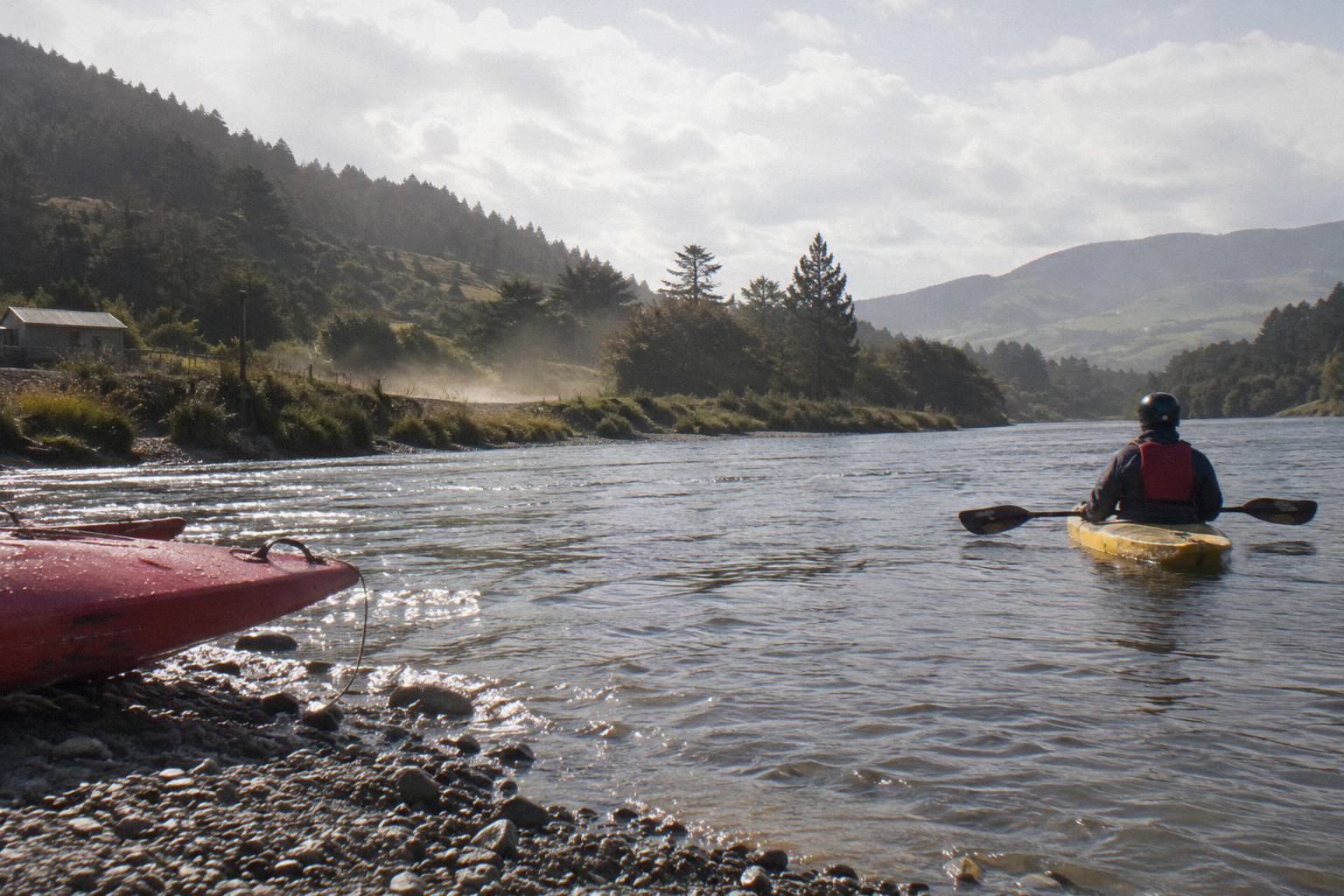
The Rangitaiki splits by operator, and the distinction matters. The full Rangitaiki rafting guide unpacks both versions; in short, Kaituna Cascades describes a Grade 4 wilderness trip meeting at 9:30am at 33 Waipa State Mill Road or a central pickup with no self-drive, while the Grade 2 product belongs to Rotorua Adventures Kayak and Raft with a minimum age of 5. Two different operators, two different grades, never one number for the river.
A useful way to break the tie: ask who is in your group and what date flexibility you have. Families with children under 10 have exactly one option among the three, the Rangitaiki Grade 2 product. Travellers with one free day and no date flexibility have exactly one daily option at the hard end, the Kaituna. Paddlers with flexible dates who want the steepest water plan backwards from a Wairoa release Sunday and fill the rest of the week with Kaituna laps.
Prices move with date and group size, so treat the from figures as a floor and check the booking page for your date.
What Happens On Each River Trip?
On the Kaituna you get about 50 to 60 minutes on the water inside a roughly 2 hour experience, over 14 rapids and drops and 3 waterfalls. On the Wairoa you meet at 1376 State Highway 29 in a farm paddock at the take-out near Tauriko, depart 9:30am, and spend about 2 hours on 5 km of river. On the Rangitaiki Grade 2 trip the day spans 4 hours with 1.5 hours on the water.
The Kaituna shape is simple: check in, gear up, paddle the gorge, take out. Operators supply wetsuits, helmets, life jackets, fleece, booties and a splash jacket, so your own kit list is short, swimwear and a towel. The whole experience fits inside about 2 hours, which is why it slots easily into a day that also holds geothermal parks, lake walks or a long lunch. For the fuller picture of the run itself, what happens on a Kaituna rafting trip walks the timeline minute by minute.
The Kaituna Cascades trip, "White Water Rafting - Kaituna Cascades, The Originals", holds a 5.0 rating from 1,385 reviews and runs 2 hours from NZ$135 per person, with a minimum age of 13 on that product. Check availability once you have a date window, because departures fill around school holidays. You can also read the Kaituna Cascades trip page before committing.
The Wairoa day is longer and more committed: 3 to 4 hours overall, a 9:30am departure, and water that only exists because a power company releases it. You meet at 1376 State Highway 29, in a farm paddock at the take-out near Tauriko, which sets the tone for the whole trip: rural, purposeful, and organised around a fixed clock. The operator lists the release Sundays; no count of dates belongs in a planning page, so check the booking calendar for your month. The Wairoa river rafting guide covers what the river itself is like.
The Rangitaiki day is the most relaxed of the three. Four hours door to door with 1.5 hours on the water leaves room for the drive south-east, the safety briefing and a slower pace on the flat stretches between the small rapids. It is the trip that most resembles a river journey rather than a sequence of adrenaline hits, and the age floor of 5 on the Rotorua Adventures listing makes it the one product among the three that a young family can book as a unit.
When Is The Best Season For Rafting?
There is no closed season on the Kaituna: Rotorua Rafting runs 3 trips a day at 10am, 12pm and 2pm through winter, 1 May to 31 August, then 6 or more trips every 30 minutes on demand through summer, 1 September to 30 April. Kaituna Cascades runs 10:30am, 12:30pm and 2:30pm daily plus 8:30am and 4:30pm in summer. The booking calendar holds every time.
| Operator | Winter (1 May to 31 Aug) | Summer (1 Sep to 30 Apr) |
|---|---|---|
| Rotorua Rafting | 3 trips a day: 10am, 12pm, 2pm | 6 or more trips, every 30 minutes on demand |
| Kaituna Cascades | 10:30am, 12:30pm, 2:30pm daily | Same times plus 8:30am and 4:30pm |
| Wairoa releases | Selected Sundays only | Selected Sundays only |
Water temperature follows the calendar: about 24 degrees C in summer and about 12 °C in winter, per the operator's own FAQ, and the supplied wetsuits do the compensating. A Rotorua Rafting FAQ page answers the kit and temperature questions directly. Flow changes character too; a spring update from Kaituna Cascades described high flows in the 500s on the control gates with water at 19 °C, the big waterfall more powerful but slightly less tall and vertical. That is the practical meaning of "the gates hold the flow": the river never stops, but it is never quite the same river twice.
For a month by month read, the Kaituna rafting season breakdown takes the calendar apart. The short version for planning: winter means fewer departures and colder water but thinner crowds, summer means departures on demand and warmer water around the busiest weeks of the year. Rain rarely cancels a Kaituna trip at all, which the rain and cancellation explainer covers in detail. Families tied to school holidays should note that the summer timetable, with departures every 30 minutes on demand on the Rotorua Rafting clock, gives far more room to move than the winter's three fixed slots.
One seasonal sweetener belongs to a specific operator: the free sauna after the trip appears on the Rotorua Rafting products, including the 2h30 Kaituna trip above, and it earns its keep in winter when 12 degree water is on the menu. The free sauna after rafting page explains which products carry it.
What Do The Grades Mean For You?
Grade 2 water is moving flat water with small waves, the level the Rangitaiki family product sits at, open to children from age 5. Grades 4 and 5 demand continuous manoeuvring, steep drops and powerful currents, the level both the Kaituna and the Wairoa are sold at. The scale grades rapids, not courage, and operators match the number to the water actually running that day.
| Grade | What It Means | Where You Meet It Here |
|---|---|---|
| Grade 2 | Small waves, clear channels, minimal manoeuvring | Rangitaiki, Rotorua Adventures listing |
| Grade 4 and 5 | Steep, powerful, continuous, big drops | Kaituna rapids building to the falls |
| Grade 5 | The top commercial grade, violent water | Wairoa on release Sundays |
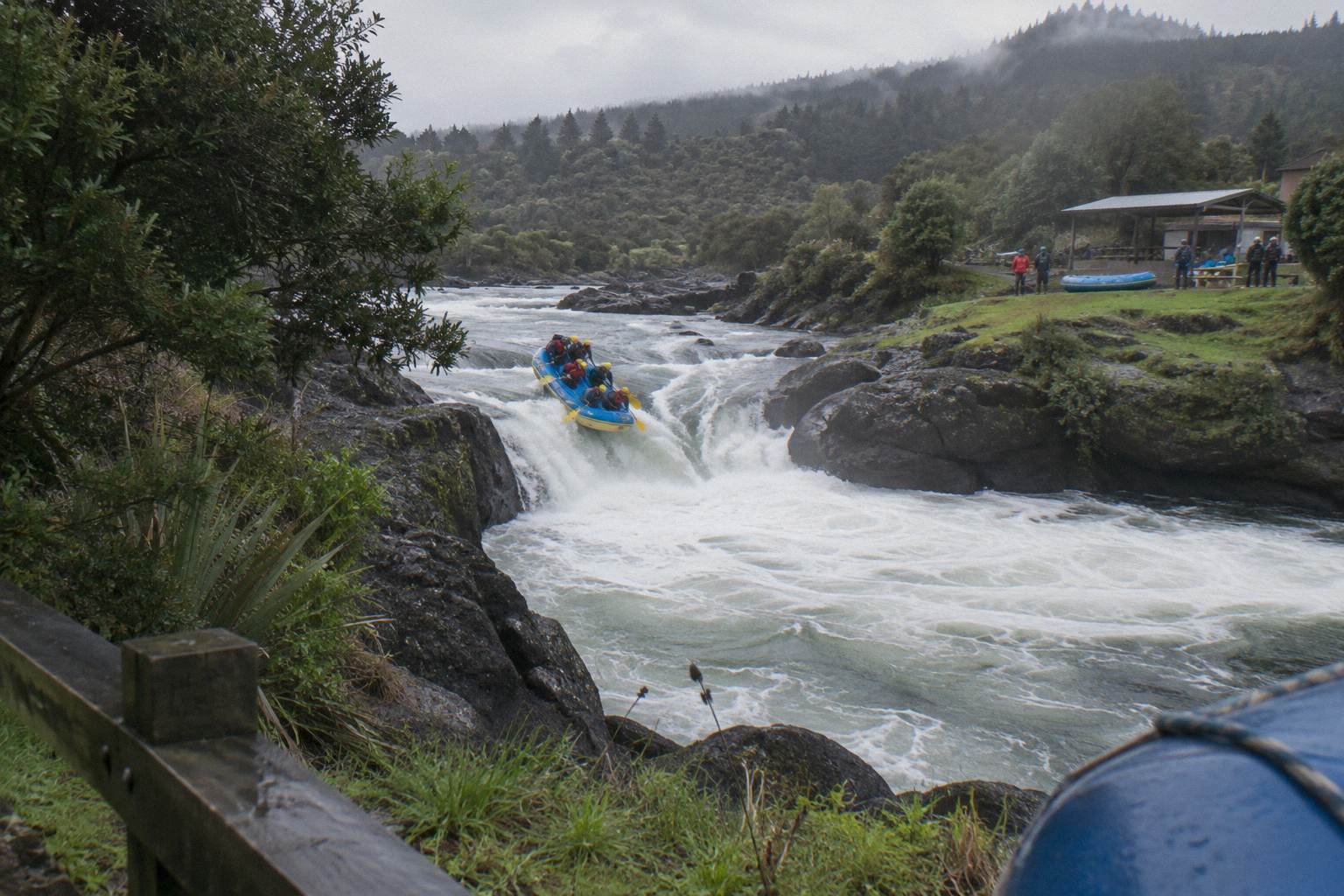
The numbers come from the International Scale of River Difficulty, which grades rapids, not rivers and not people. The number on the tin is not the number in the gorge. Kaituna Cascades sells its Kaituna trip as Grade 5 while describing the rapids as Grade 4 and 5 building to Tutea Falls, which is 7 metres by the operators' figure. Operators describe Tutea Falls as the highest commercially rafted waterfall in the world, a claim worth reading as an operator claim, and the Tutea Falls rafting guide goes deeper than a comparison table can.
For beginners the question is usually whether Grade 5 is even allowed to be on the menu. It is, and the beginners guide to white water rafting explains why guides rather than guests carry the technical load. The rapid grades themselves are unpacked in what the rapid grades mean, and the Class 4 versus Class 5 distinction gets its own treatment if you are choosing between the two harder rivers. In practice the grade tells you how hard the operator will work, not how scared you should be: the guest's job on all three rivers is to paddle when told and sit tight when not.
What Should A First Timer Know Before Booking?
Know three things before you pay: which product's minimum age applies, because the Kaituna listings carry either 10 or 13 depending on the card; what your group actually needs, because hotel pickup only comes with Kaitiaki's four listings; and whether the sauna matters, because it belongs to the Rotorua Rafting and Rotorua Ziplines products. Read the booking page for the date, since prices vary by date and group size.
Every figure on this page belongs to one product, never to a river in general. The from prices, NZ$135 for Kaituna Cascades' Originals trip, NZ$190 for the Wairoa, NZ$125 for the Rangitaiki Grade 2 day, are each tied to their own card. Twin products exist on the same rivers as separate bookable trips with their own figures; the 2h and 2h30 Kaituna runs are distinct products, never one trip at two speeds. Checking the live price for your exact date is the only way to know what you will pay, because from prices are floors, not quotes.
If you are staying in the city without a car, the Kaitiaki transfer product above is the one to look at: free hotel pickup on that listing, from NZ$139 per person, minimum age 13, 2h30, with a 5.0 rating from 823 reviews. Kaitiaki's 2.5 hour rafting listing also includes hotel pickup and is a separate product at its own price. Getting to the river independently is its own question, and getting to the Kaituna for rafting handles the driving and timing detail.
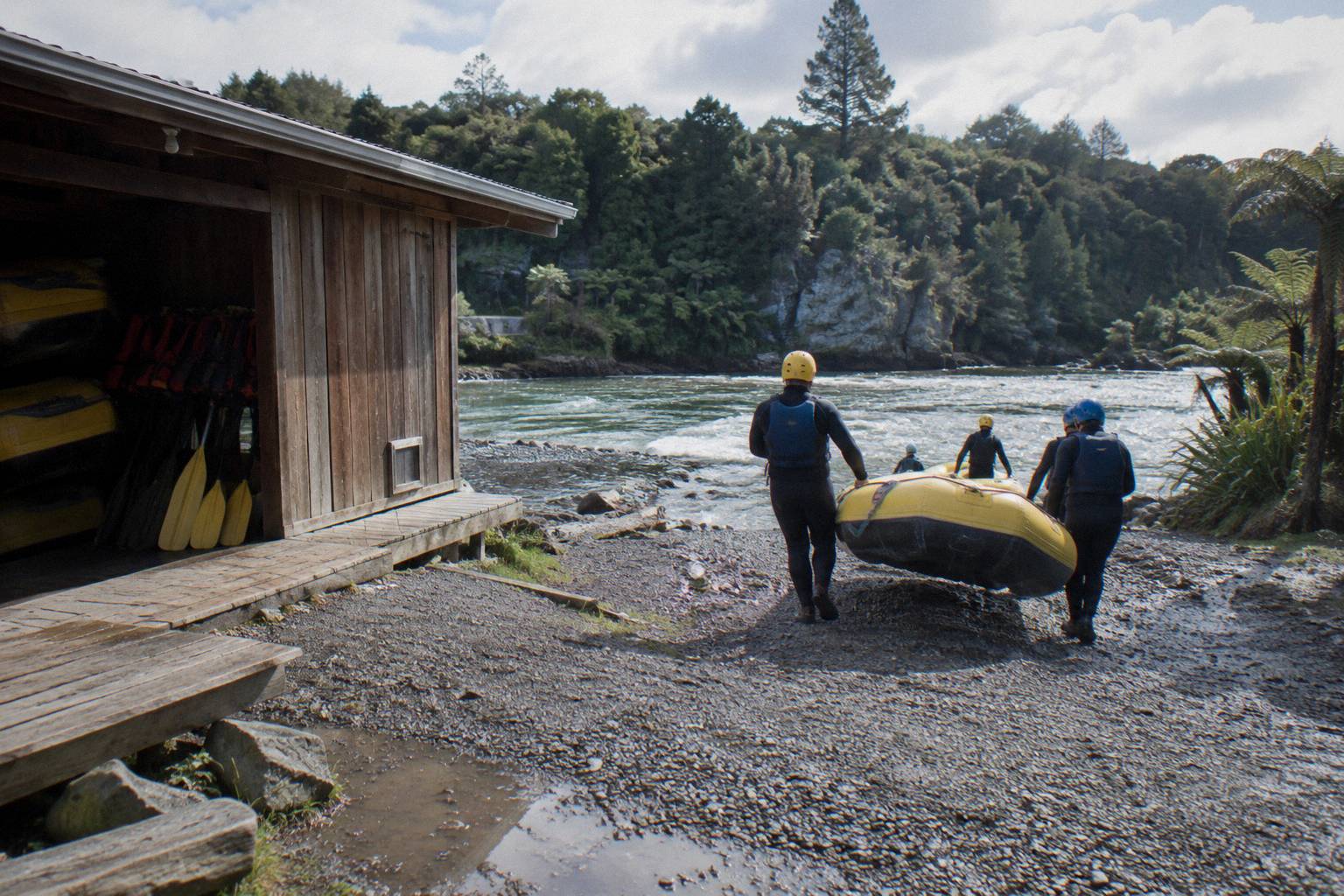
Swimming ability is asked about more often than it should be. The Wairoa listing requires swimmers, the Kaituna trips do not make that requirement on their cards, and the honest answer lives in do you need to swim to go rafting. What to wear and what to bring both have dedicated pages, and the operator kit list covers the rest: wetsuit, helmet, life jacket, fleece, booties and splash jacket are supplied, leaving you swimwear and a towel to carry.
Safety rules in New Zealand sit on a formal footing, which is worth knowing even though you never see the paperwork. Commercial adventure operators must pass a safety audit by a recognised auditor and register under the Adventure Activities Regulations; the WorkSafe adventure activities register is public. The is white water rafting safe guide takes the question apart for nervous readers.
What Trips People Up Before You Book
The traps are predictable: booking a Wairoa Sunday that does not exist, because releases are fixed calendar dates, not a season; assuming the sauna comes with every operator, when only the Rotorua Rafting and Rotorua Ziplines products carry it; assuming pickup is standard, when only Kaitiaki's listings include it; and comparing twin products as if they were one trip at two prices. Each mistake costs money or a morning.
The worst one is the Wairoa calendar. The river runs only on the Sundays the operator lists, so a traveller who books accommodation first and then looks for a Wairoa seat can find the next release is weeks away. Reverse the order: find the release Sunday, then build around it. The booking calendar is the only place the dates live, and no count of them belongs in a planning page.
Age and weight limits trip families up second. The Rangitaiki Grade 2 trip above takes children from age 5, the Kaituna listings carry 10 or 13 depending on the product, and the Wairoa caps at 120 kg with a minimum age of 13. Do not go from memory: the product card governs, and the white water rafting with kids page maps the ages across every product. A family that assumes "the Kaituna takes 10 year olds" and books the wrong card finds out at check-in, which is the wrong end of the morning to discover it.
Third is twin-product confusion. The 2h and 2h30 Kaituna runs from the same operator are separate cards with separate from prices, and neither is a discount version of the other. Read the card you are actually booking, not the river. Fourth is the sauna assumption, which the free sauna page settles product by product. Ask the operator if a detail on a card matters to your decision and the card does not answer it.
Weather cancellations are the rarest trap of all, since the gates hold the Kaituna's flow. The genuinely wasted days come from calendar errors, not rain errors: the Sunday that has no release, the child who is one year short of the age floor, the pickup that was assumed rather than checked. Checking the live price and the date you want, before locking accommodation, avoids all four traps in about ten minutes.
Common Questions About Picking A Rafting River
White Water Rafting In New Zealand: Which River Should A Beginner Book?
The Kaituna. It runs 365 days a year, beginners book it in large numbers, and the supplied kit covers the cold. For children from age 5 or a gentler day, the Rangitaiki Grade 2 trip from NZ$125 per person is the family pick.
Can You Go White Water Rafting In New Zealand In Winter?
Yes. The Kaituna runs every day of the year because council-controlled gates at the Lake Rotoiti outlet hold the flow. Rotorua Rafting runs 3 trips a day from 1 May to 31 August at 10am, 12pm and 2pm.
What Is The Hardest Rafting River Near Rotorua?
The Wairoa, Grade 5, running on selected Sundays only when the power company releases water. It requires a minimum age of 13, a maximum weight of 120 kg and the ability to swim, with about 2 hours on 5 km of river.
How Long Does A Rafting Trip Take?
The Kaituna runs about 50 to 60 minutes on the water inside a roughly 2 hour experience. The Wairoa takes 3 to 4 hours overall with about 2 hours paddling. The Rangitaiki Grade 2 trip spans 4 hours with 1.5 hours on the water.
Do You Need To Be Able To Swim?
On the Wairoa, yes, the listing requires it. The Kaituna and Rangitaiki products do not state a swimming requirement on their cards. Life jackets and helmets are supplied on every product.
How Much Does White Water Rafting Cost Here?
From prices on this site: NZ$135 per person for the Kaituna Cascades Originals trip, NZ$190 for the Wairoa, NZ$125 for the Rangitaiki Grade 2 day, NZ$139 for the Kaitiaki trip with hotel transfers. Amounts are New Zealand dollars and vary by date and group size; the booking page shows the price for your date.
Keep reading: the Kaituna river rafting guide, the Wairoa river rafting guide, the Rangitaiki river rafting guide and the Kaituna operators compared, or start from Rafting Rotorua for the full picture. For the Sunday-only hard water, see the Wairoa Grade 5 trip page.