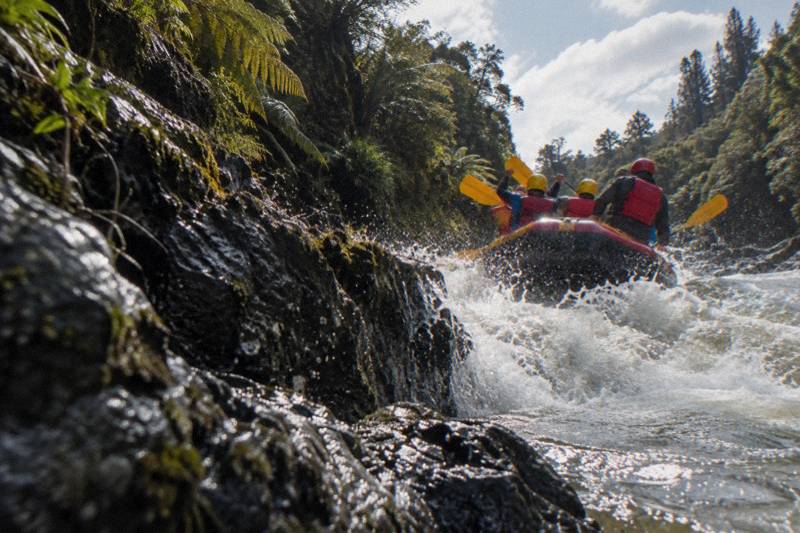
What Should A Woman Wear When White Water Rafting In Rotorua?
A direct answer to what women should wear white water rafting in Rotorua: swimwear under an operator-supplied wetsuit, a towel, and season-aware layering.
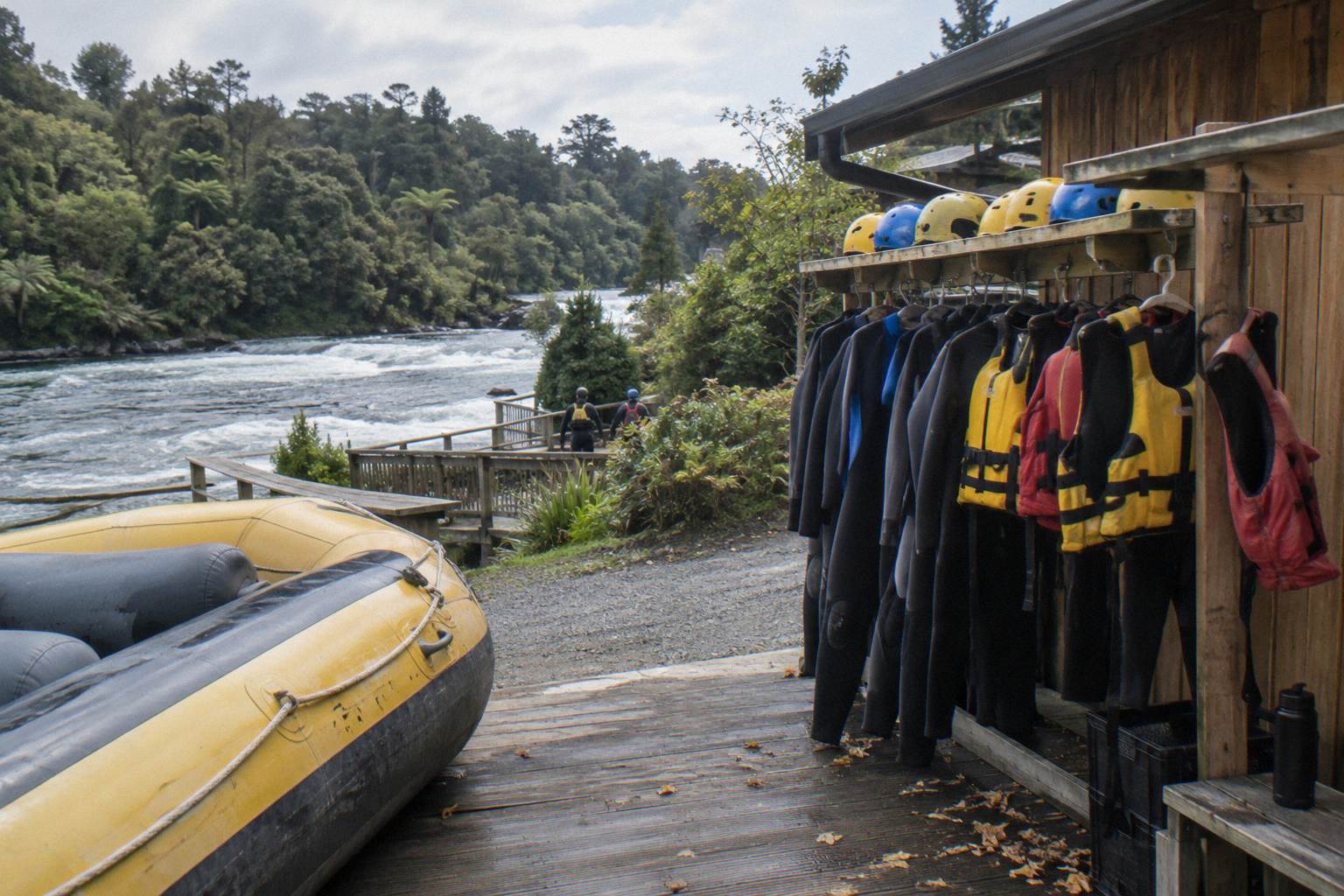
Rafting the Kaituna is a trip you can plan around a very short packing list, because the operators supply the technical clothing and you supply only what goes underneath. That division of labour is the whole answer to the wardrobe question, and it is the same answer for every rafter on the trip.
| Fact | Detail |
|---|---|
| Core answer | Swimwear under the wetsuit, plus a towel (Kaituna Cascades) |
| Wetsuit | Supplied, per the Rotorua Rafting and Kaituna Cascades pages |
| Helmet | Supplied, per the Rotorua Rafting and Kaituna Cascades pages |
| Life jacket | Supplied, per the Rotorua Rafting and Kaituna Cascades pages |
| Fleece and booties | Supplied, per the Rotorua Rafting and Kaituna Cascades pages |
| Summer water | About 24 degrees C (Rotorua Rafting FAQ) |
| Winter water | About 12 degrees C (Rotorua Rafting FAQ) |
A woman should wear swimwear that fits close to the body, worn under the operator-supplied wetsuit, and bring a towel for afterwards. Kaituna Cascades states this directly: bring swimwear and a towel, and the rest of the kit, wetsuit, helmet, life jacket, fleece, booties and a splash jacket, is supplied. Nothing in the operators' guidance is gender-specific, and the packing list is short because the base carries the technical clothing.
The question is asked often enough that it deserves the plain answer first: there is no women-specific rafting wardrobe on the Kaituna, and no source asks for one. The operator FAQ page and the Kaituna Cascades rafting pages describe one kit list for all rafters, and that list puts the expensive, technical items on the operator's side of the counter. What you control is the layer against your skin and the dry things waiting in your bag.
Swimwear works best as the base layer because a wetsuit has to sit against skin, or at most a thin swimsuit, to do its job. A thick layer underneath defeats the fit. A one-piece or a two-piece that stays put is simply the practical choice under a fitted wetsuit; anything with straps, ties or hardware that could press into the skin under a tight neoprene suit is worth leaving at home.
The towel matters more than people expect. The trip includes getting out of a river and changing at the base, and Kaituna Cascades names the towel as one of only two things to bring. A swimwear-and-towel plan also survives every season, because the operator adds warmth in cold months through the supplied layers rather than through anything you pack.
If the packing question has grown beyond clothing, the fuller checklist lives in the what to wear white water rafting guide, which covers the same supplied-kit logic in more depth.
What The Operator Supplies On Every Trip
The Rotorua Rafting and Kaituna Cascades pages list the same six supplied items: wetsuits, helmets, life jackets, fleece, booties and a splash jacket. Those items arrive in adult sizes at the base, are handed out at check-in, and go back at the end of the run. You do not buy, rent or pack any of them, and every rafter on the trip wears the same categories of gear, fitted at the base before the safety briefing.
The list deserves a slow read, because it quietly answers most wardrobe questions. The wetsuit is the insulating layer, the fleece adds warmth underneath it in cold conditions, and the splash jacket cuts wind and spray on top. Booties cover the feet, the helmet covers the head, and the life jacket is fitted to each rafter before the trip leaves the base. The operators' pages present this as one standard issue of kit, and nothing in it differs by gender.
Fitting happens at the base, not at home. Kaituna Cascades asks rafters to check in 15 minutes early, which is when sizes get sorted. The operator's stated weight limit is 120 kg, and the Rotorua Rafting FAQ gives its own limit as 130 kg, so the two bases differ slightly and the figure to trust is the one belonging to the operator you book with. Neither page makes any claim about height, build or gender.
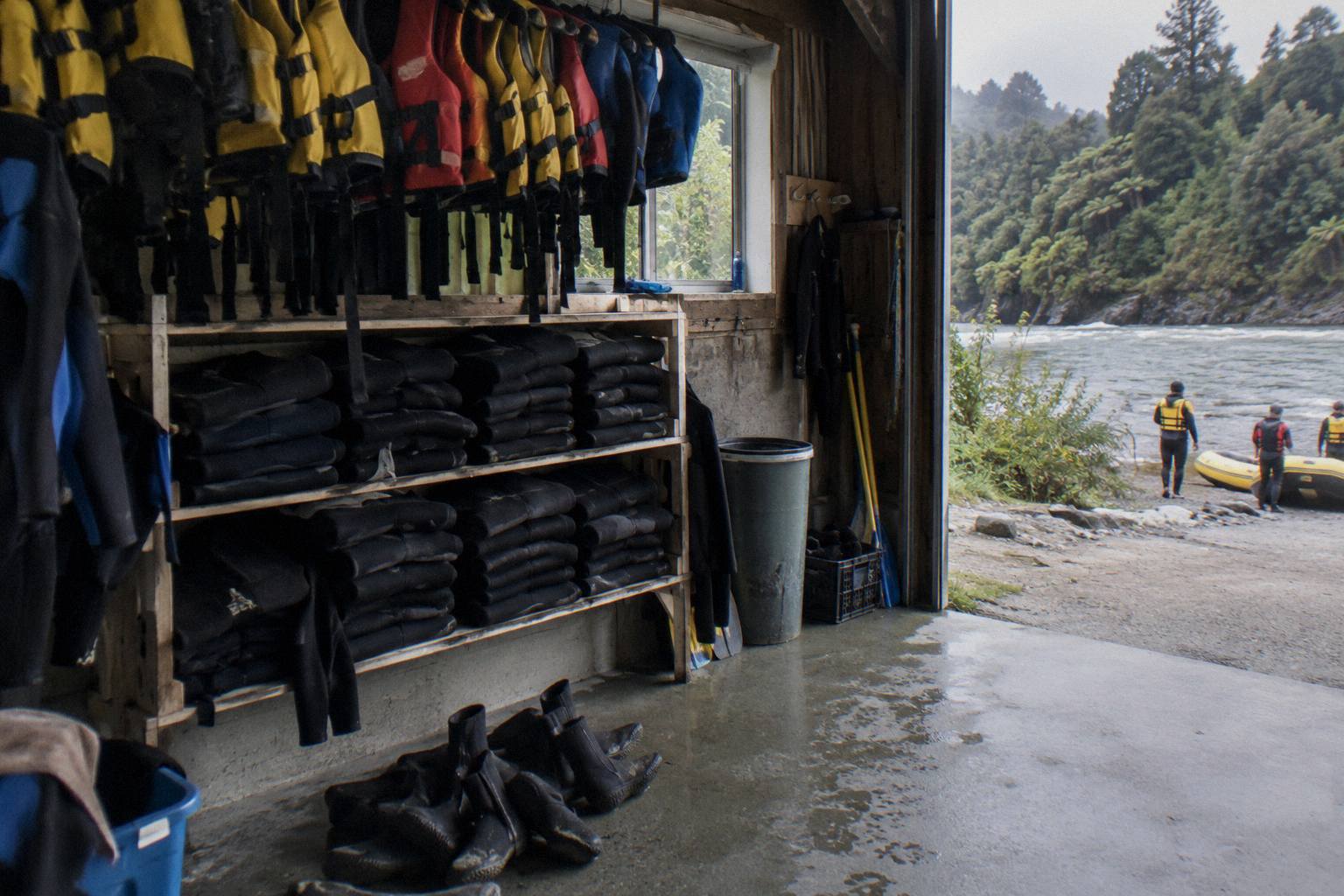
Because the kit is issued at the base, the planning question shrinks to two decisions: what to wear to the base, and what goes under the wetsuit. Normal travel clothes to the base, swimwear already on or changed on site, and dry clothes for afterwards cover the whole day. The Wikipedia entry on whitewater describes the general practice of commercial rafting, where operators outfit guests with the protective equipment, and the Kaituna operators are a textbook version of that model.
One boundary on that model: the Kaitiaki Adventures product pages speak only for themselves on inclusions, so say nothing about what that company supplies beyond its own words. Each operator's page is the authority on its own kit.
Dressing For Summer Water And Winter Water
The Rotorua Rafting FAQ puts the water at about 24 degrees C in summer and about 12 degrees C in winter, and layering follows those two numbers. In summer, swimwear under the supplied wetsuit is generally enough. In winter, the same base layer plus the operator's supplied fleece and splash jacket is the warm combination, and the operator, not your suitcase, provides the difference between the seasons.
Those two figures are the only temperatures the operator FAQ gives, and they are the only ones worth planning around. Winter rafting in water around 12 degrees C is entirely normal on the Kaituna because the supplied kit is built for it: the wetsuit insulates, the fleece adds a layer underneath, booties and a splash jacket finish the job. The blog post on winter white water rafting covers how the trips keep running through the colder months.
| Season | Water Temperature | Base Layer | Operator Layers |
|---|---|---|---|
| Summer | About 24 °C (Rotorua Rafting FAQ) | Swimwear | Wetsuit, helmet, life jacket, booties |
| Winter | About 12 °C (Rotorua Rafting FAQ) | Swimwear | Wetsuit plus fleece and splash jacket as supplied |
The practical mistake is over-dressing under the wetsuit. A t-shirt or leggings underneath change how the suit fits and how it insulates, and the operator's kit list does not include them. The fleece is the designed cold-weather under-layer, it is supplied, and it belongs between swimwear and wetsuit rather than anything from home.
The second mistake is under-planning the after. Changing out of a wet wetsuit at the base in July is a colder experience than the river itself if the towel and the dry clothes are thin. This is where the sauna products earn their place in a packing conversation: the "Free Sauna, 2h30 Kaituna Trip" from Rotorua Rafting includes the sauna, from NZ$135 per person, rated 5.0 from 2,191 reviews, and you can check the Kaituna sauna trip for dates. Sauna inclusion belongs to the Rotorua Rafting and Rotorua Ziplines products only, so say nothing about sauna access on other operators' trips.
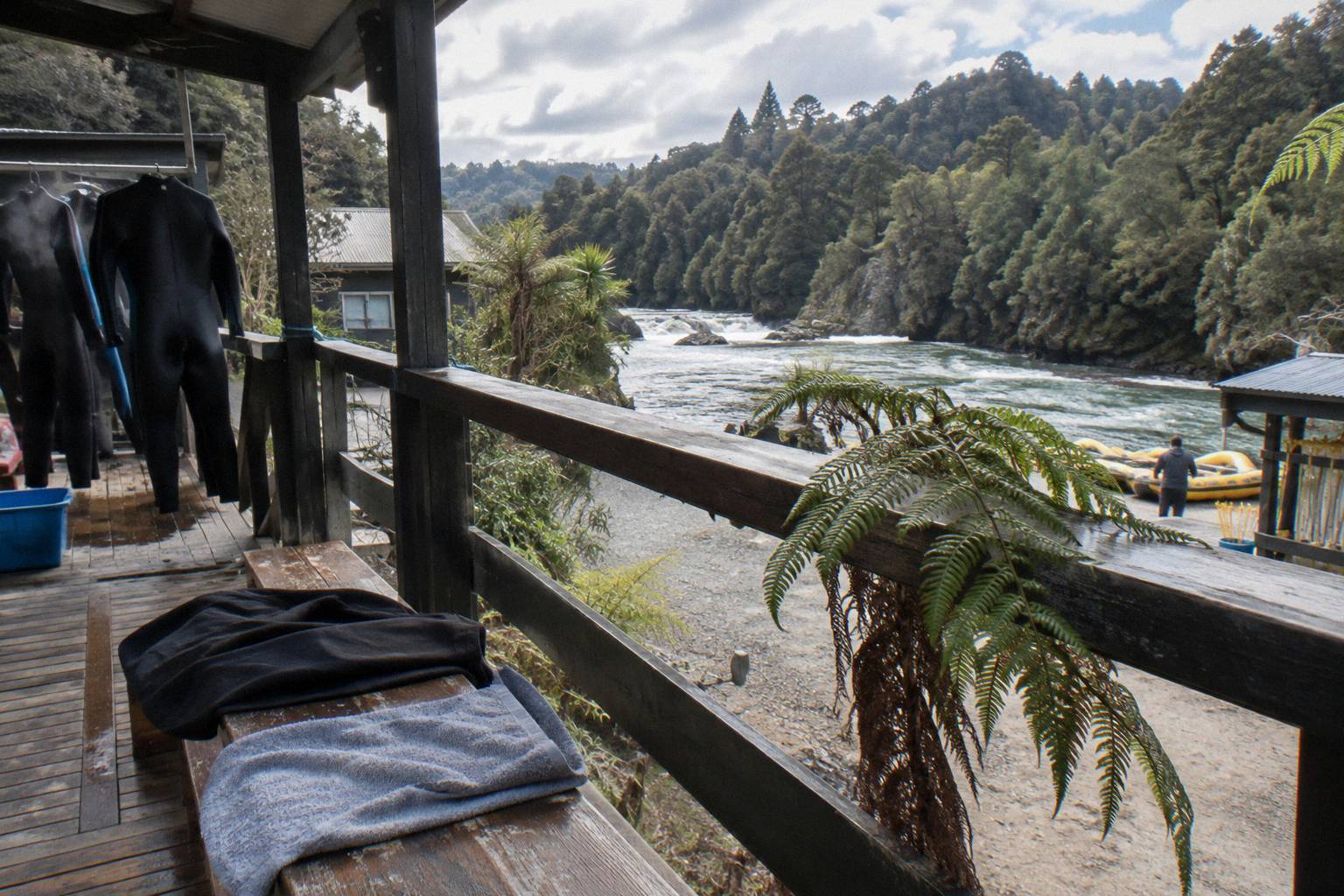
Season also changes what you wear to the base rather than on the river. A warm jacket for before and after, and shoes that are easy to slip off for the bootie change, make the winter version of the day simpler. None of that touches the river kit, which stays operator-supplied year round.
What To Leave Out Of The Rafting Kit Bag
Leave out anything loose that cannot survive a swim: jewellery, watches, and standard glasses need securing or leaving behind. Cotton layers stay home too, because they are not part of the supplied kit and do nothing under a wetsuit. The operators' pages ask for swimwear and a towel, and the conservative reading of every stated limit, the 120 kg and 130 kg figures and the swim requirement on the Grade 5 trips, is the packing list's boundary.
The reasoning is mechanical rather than fashion-based. A rafting trip on the Kaituna runs 14 rapids and drops including 3 waterfalls in roughly 50 to 60 minutes on the water, per the Kaituna Cascades pages, and anything loose on your body becomes a thing the river can take or a thing that presses under the kit. Rings and straps sit under gloves, helmets and wetsuit cuffs that are fitted tight on purpose.
Glasses deserve a specific word because the operators' own terms mention the conditions they are worn in. If you need prescription lenses on the water, ask the operator about retention before the day; nothing in the stated kit list includes a glasses strap, so that is a question for the base rather than an item to assume. The same logic applies to contact lenses, where a closed-eye swim is part of what the life jacket and helmet are for.
| Item | Bring Or Leave | Reason |
|---|---|---|
| Swimwear | Bring | The designed base layer under the wetsuit |
| Towel | Bring | Named by Kaituna Cascades as required |
| Wetsuit, helmet, life jacket, booties | Supplied | Listed on the Rotorua Rafting and Kaituna Cascades pages |
| Fleece and splash jacket | Supplied | The cold-season layers, issued at the base |
| Jewellery and watches | Leave | Loose items under fitted kit |
| Cotton layers | Leave | Not part of the kit list, poor under neoprene |
The wider question of what belongs in the bag beyond clothes, sunscreen, a water bottle and the rest, is handled once in the what to bring white water rafting guide, which keeps its list to the same sourced categories. The short version is that the bag should hold the dry world, not the river one.
Does Body Type Or Size Change The Kit?
No, body type and size do not change the kit itself, because wetsuits, fleece tops and booties are issued in a full size range at the base and fitted to each rafter at check-in, which is exactly why operators ask you to arrive early; neither operator's information makes any gender-specific or body-specific clothing claims, and the only body-related figures given are the weight limits of 120 kg at Kaituna Cascades and 130 kg at Rotorua Rafting.
This matters because the internet is full of wardrobe advice for rafting that splits by gender, and the operators' own pages do not. Read together, the kit lists point one way: the same six supplied items, worn over the same swimwear base layer, are the answer for every adult on the trip. Where rafters differ, the differences are handled by sizing, not by shopping.
The practical version of this: do not buy rafting clothing for the trip. If a wetsuit does not fit at check-in, the base exchanges it, and the operator's job on the morning includes getting every rafter into kit that fits. Buying a wetsuit, neoprene top or river shoe in advance duplicates something that is supplied and that you would carry home wet.
The genuinely personal item is swimwear choice, where fit and comfort under a tight suit are the only criteria. Beyond that, the planning energy is better spent on the dry bag of afterwards-clothes and on reading the trip's own terms, such as the swim requirement on the Grade 5 runs, than on the river outfit.
How Trips Differ, And Why It Barely Changes The Outfit
The outfit answer holds across the Kaituna products because the supplied kit is the operator-side constant, but trip length and inclusions change the edges of the day. The Kaituna products run 2 to 2 and a half hours, the Wairoa Grade 5 trip runs 5 hours, and the Grade 2 Rangitaiki product from Rotorua Adventures runs 4 hours with 1.5 hours on the water. Longer days mean more importance on the dry bag, not a different under-suit.
Consider the spread. The "Free Sauna, 2h30 Kaituna Trip" from Rotorua Rafting, from NZ$135 per person, rated 5.0 from 2,191 reviews, carries the sauna inclusion on the operator's own listing. "Kaituna Cascades, The Originals", also from NZ$135 per person and rated 5.0 from 1,385 reviews, runs 2 hours with a minimum age of 13 on that listing. "Rafting With Hotel Transfers" from Kaitiaki Adventures, from NZ$139 per person and rated 5.0 from 823 reviews, includes free hotel pickup, which changes your morning logistics rather than your clothing.
The twin listings are separate products and their from-prices belong to each one alone. Where a price is not printable here, the booking page shows it for the date. The wider point stands: swimwear, towel, dry clothes, and the operator's kit cover every product in the Kaituna category, and the only outfit question the category changes is what you wear on the drive.
What Trips People Up Before You Book
The recurring packing mistakes are over-dressing under the wetsuit, forgetting the towel, assuming items the operator does not supply, and mixing up one operator's limits with another's. Each of these is avoidable with the two-item packing list and one reading of your own product's terms. The kit lists are generous, which is exactly why duplicating them at a shop is wasted luggage space.
The first and most common is the under-layer problem. People arrive in sports leggings or a t-shirt under the wetsuit and discover the suit fits wrong. Swimwear is the base layer because the suit is designed to sit against it, and the supplied fleece is the designed warmth layer, not a cotton top from home.
The second is the towel. It is one of only two items the operator names, and it is the one people forget, because a day organised around a river does not feel like a swimming occasion. The changing area at the base is where the towel earns its place, especially in winter water around 12 degrees C.
The third is assuming inclusions. Sauna belongs to the Rotorua Rafting and Rotorua Ziplines products; hotel pickup belongs to Kaitiaki Adventures, on all four of its listings. Assuming either across operators is how packing plans go wrong, and the fix is to read your own product's page. For anything the page does not cover, ask the operator.
| Mistake | Fix |
|---|---|
| Wearing cotton or leggings under the wetsuit | Swimwear base layer, supplied fleece for warmth |
| Forgetting the towel | Pack it with the swimwear; named by Kaituna Cascades |
| Assuming a sauna on every trip | Sauna is on the Rotorua Rafting and Rotorua Ziplines products only |
| Assuming pickup everywhere | Pickup is included on Kaitiaki's listings |
| Mixing up weight limits | 120 kg at Kaituna Cascades, 130 kg at Rotorua Rafting, per operator |
The fourth is treating weight and age limits as interchangeable between operators. Minimum ages are per listing, from 10 on the Rotorua Rafting sauna listings to 13 on most others, and the limits belong to the product you actually book. Reading one product's terms and packing against them, with Rafting Rotorua as the planning base, closes every gap.
Keep reading with how much white water rafting costs in Rotorua and the month by month Kaituna rafting season guide for the rest of the planning picture.
Common Questions About Rafting Kit
What Should A Woman Wear When White Water Rafting?
Swimwear under the operator-supplied wetsuit, plus a towel. Kaituna Cascades asks rafters to bring swimwear and a towel, and the Rotorua Rafting and Kaituna Cascades pages list wetsuits, helmets, life jackets, fleece, booties and a splash jacket as supplied. Nothing in the operators' guidance is gender-specific.
Do You Wear Anything Under A Wetsuit?
Swimwear. A wetsuit is designed to sit against skin or a thin swimsuit to insulate properly, which is why the packing list is a base layer and a towel rather than a wardrobe. The supplied fleece is the operator's designed layer for extra warmth in cold water.
What Do You Wear Rafting In Winter?
The same base plan with the supplied cold layers added: swimwear under the wetsuit, with the operator's fleece and splash jacket issued at the base. The Rotorua Rafting FAQ puts the water at about 12 degrees C in winter, and the supplied kit is built for those trips, which run through the season.
Do You Need To Buy Any Rafting Clothing?
No. The technical kit, wetsuit, helmet, life jacket, fleece, booties and splash jacket, is supplied by the operators whose pages list it, and it is fitted in sizes at check-in. Duplicating it at a shop buys something you would carry home wet.
Should You Bring A Towel?
Yes. Kaituna Cascades names the towel as one of the two things to bring, alongside swimwear. You change out of the wetsuit at the base after the run, and the towel matters most in winter water around 12 degrees C.
Can You Wear Glasses Or Jewellery On The River?
Jewellery and watches are best left out of the kit bag, since fitted helmets, gloves and wetsuit cuffs sit tight against the skin. For glasses, ask the operator about retention before the day, because the stated kit list does not include a glasses strap.