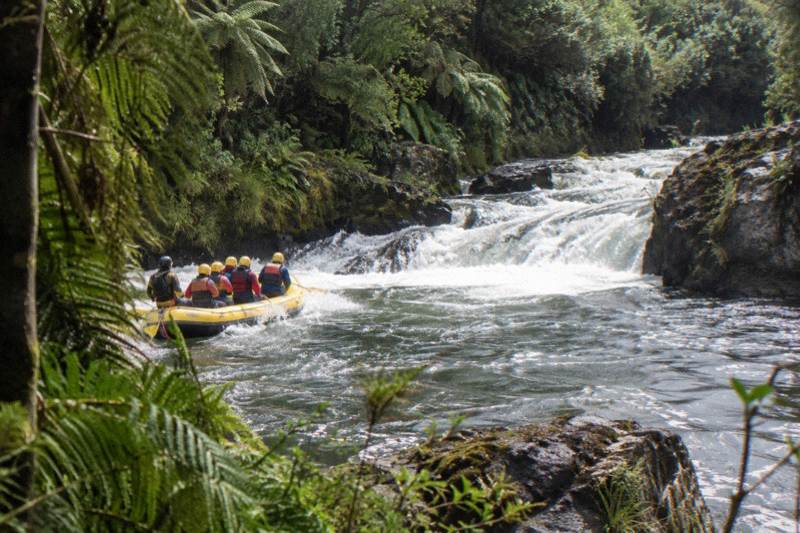
What Month Is Best For White Water Rafting?
The Kaituna River runs 365 days a year, so the best month for white water rafting near Rotorua comes down to departure schedules, water temperature and spring flows.
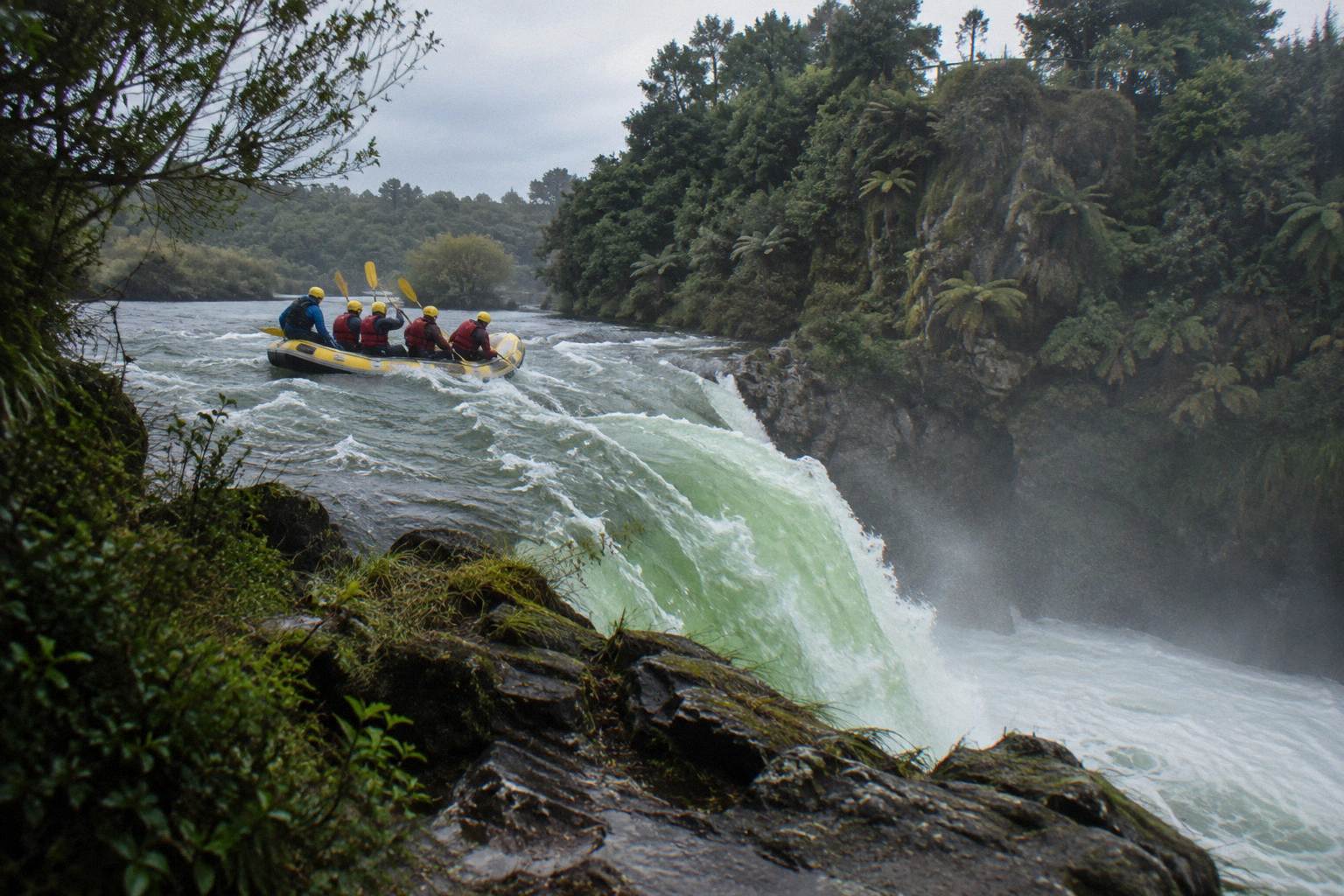
Every rafting trip on this site belongs to the Kaituna River rafting tours family, and that family has an unusual property: the river never closes. Unlike rivers that depend on rainfall or dam releases on particular days, the Kaituna is fed through council-controlled gates at the Lake Rotoiti outlet, which the operator the Wikipedia entry for Lake Rotoiti describes, and those gates keep water moving 365 days a year. That single fact reframes the whole question of timing. You are not hunting for the one month when trips are possible. You are choosing between schedules, water temperatures and flow characters that shift with the seasons.
| Fact | Detail |
|---|---|
| Does the river close? | No, the Kaituna runs 365 days a year via the control gates at the Lake Rotoiti outlet, per Kaituna Cascades |
| Summer departures | Rotorua Rafting runs 6 or more trips a day, every 30 minutes on demand, 1 September to 30 April |
| Winter departures | Rotorua Rafting runs 3 trips a day at 10, 12 and 2, 1 May to 31 August |
| Kaituna Cascades times | 10:30, 12:30 and 2:30 daily, plus 8:30 and 4:30 in summer |
| Summer temperature | About 24 °C, per the Rotorua Rafting FAQ |
| Winter temperature | About 12 °C, per the Rotorua Rafting FAQ |
| Spring flows | High flows in the 500s on the control gates and water at 19 °C reported by the Kaituna Cascades river-conditions page |
| Time on the water | 50 to 60 minutes inside a roughly 2 hour experience, per Kaituna Cascades |
No single month earns that title from the sources, because the Kaituna River runs 365 days a year under council-controlled gates at the Lake Rotoiti outlet, so every month is bookable. The decision is really about three factors: how many departures the operators run that season, what the temperature is doing, and whether you want the high spring flows the operator has reported. Name your priority first, then the month picks itself.
The operators themselves do not crown a best month, and no single season wins out. What they publish is a schedule that flexes with the seasons and a river whose character changes with them. If you want maximum choice of departure times, summer is your season: one operator runs six or more trips a day between September and April. If you want the biggest water, spring is when the operator's own conditions page reports high flows. If you want quiet midweek trips and do not mind about 12 °C, winter still runs three departures a day.
That reframing matters because most rafting destinations in the world genuinely do shut down. Rivers that depend on natural flow or scheduled dam releases have open and closed months, and travellers arriving off-season simply miss out. The Wikipedia entry for the Kaituna River explains the flow control that makes this river different, and the practical effect is that your trip is a scheduling decision rather than a season hunt.
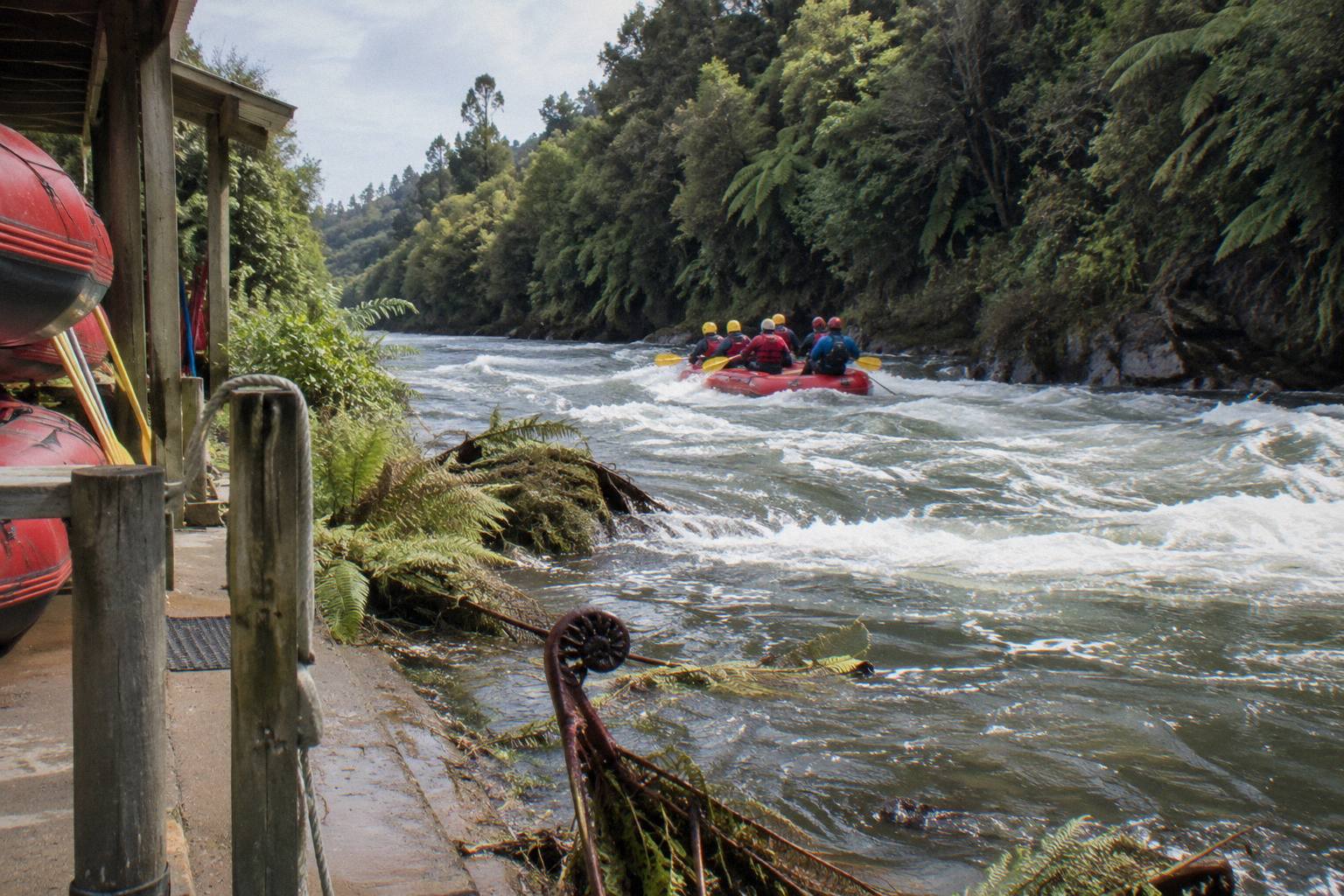
The trips themselves run year round. "White Water Rafting - Kaituna Cascades, The Originals" from Kaituna Cascades carries a 5 rating from 1,385 reviews, runs 2 hours and takes rafters from 13 years on its listing. It is the Kaituna Cascades Grade 5 trip that anchors most timing decisions, precisely because its calendar does not have a hole in it.
If you are weighing which month to visit, the deeper background on the river's grade and drops sits in the Kaituna rapids grade guide, and the month-by-month detail is covered in the season-by-season breakdown. Check the live price and dates for your month before locking anything else in, since departure times live on the booking calendar.
How The Seasons Change The Departure Schedule
Seasonal demand roughly doubles departure frequency: Rotorua Rafting runs 3 trips a day in winter (10, 12 and 2) then 6 or more daily from 1 September to 30 April, running every 30 minutes on demand, while Kaituna Cascades runs 10:30, 12:30 and 2:30 daily, adding 8:30 and 4:30 in summer; every actual time sits on the booking calendar, so treat these as stated patterns rather than a promise for your date.
The schedule difference is the most concrete seasonal factor you can plan around. A winter visitor has effectively three windows a day per operator, which matters if you are pairing rafting with another activity or driving in from elsewhere. A summer visitor can slide a trip into almost any part of the day, because one operator states it runs trips every 30 minutes on demand once the summer schedule kicks in on 1 September.
| Season | Dates (Rotorua Rafting) | Departures per day | Extra times (Kaituna Cascades) |
|---|---|---|---|
| Summer | 1 September to 30 April | 6 or more, every 30 minutes on demand | 8:30 and 4:30 added |
| Winter | 1 May to 31 August | 3, at 10, 12 and 2 | None beyond the daily three |
Two operators publish schedules and they do not match exactly, which is worth knowing when you compare trips. Kaituna Cascades holds its 10:30, 12:30 and 2:30 slots all year and simply stretches the day in summer. Rotorua Rafting switches its whole rhythm between the two seasons. The times themselves are stated on the operators' own season pages, including the Rotorua Rafting open hours page, and the booking calendar for each product is what actually holds your departure.
Neither schedule is a guarantee for a specific date. Operators state their patterns, weather and river conditions decide on the day, and the calendar shows what is genuinely open. If your travel window is tight, an early or late slot in summer gives you a backup if a morning trip shifts.
Wondering which trip suits your month? "Rotorua Rafting: Kaituna River White Water Rafting & Free Sauna" runs 2h30, takes rafters from 10 years on its listing, and carries a 5 rating from 2,191 reviews, from NZ$135 per person. Check availability on the booking page for your dates.
Spring Flows And What High Water Means For Your Trip
Spring is the high-water season. The Kaituna Cascades river-conditions page has reported flows in the 500s on the control gates with the water at 19 °C in its spring update, and describes the big waterfall as more powerful but slightly less tall and vertical at those levels. High flow changes the character of the run, and it is the one season where the water itself, not the schedule, is the reason to go or to wait.
The gates at the Lake Rotoiti outlet hold a minimum flow all year, which is why the river never closes. What changes through spring is how much extra water is coming through, and the operator's conditions page is the place that reports it. Its spring update gave the numbers plainly: flows in the 500s on the control gates, water at 19 °C, and a changed shape to the main drop. Those are that page's figures for that update, not a standing condition, so read the page again close to your trip.
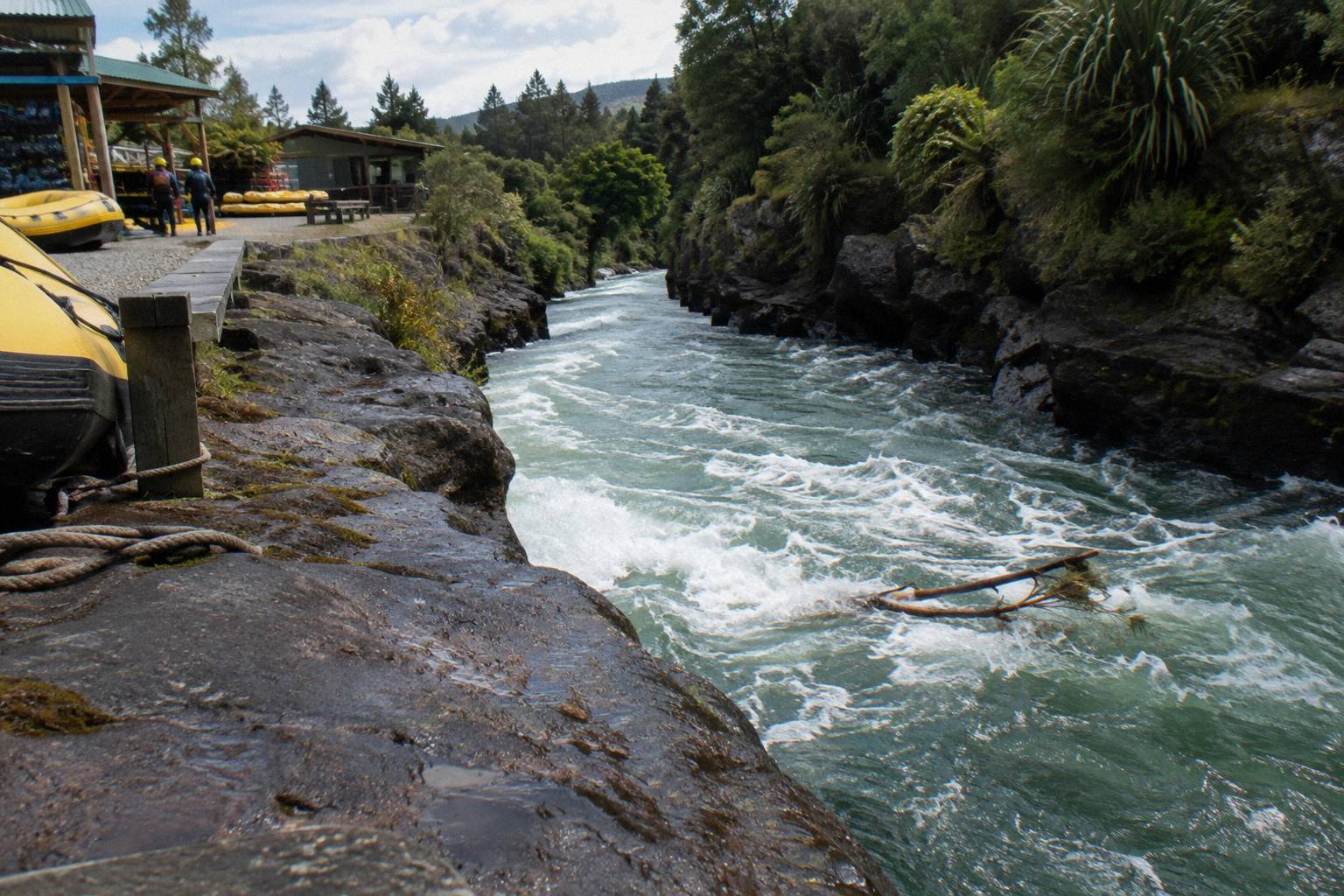
What high water means in practice is more push. Rapids hold bigger waves, the current carries more force, and the run moves quickly between features. For some rafters that is exactly the draw. For a first-timer weighing whether the whole idea is manageable, the beginner's guide to white water rafting is the better starting point than a calendar, because confidence matters more than month.
The spring report is also a reminder that conditions are live information. The Kaituna Cascades river conditions page exists precisely because the river moves, and any month you pick deserves a fresh read of it the week you travel. The grades themselves, and how the International Scale of River Difficulty works, are explained in the Wikipedia entry on whitewater.
"Rotorua Rafting: Kaituna River Rafting Experience - Free Sauna", the 2 hour run, takes rafters from 10 years on its listing and starts from NZ$74 per person. Check availability and see the dates before you commit to a spring window.
Summer Heat, Winter Cold And The Water You Float In
Temperature swings with the season but never blocks a trip. The Rotorua Rafting FAQ gives about 24 °C in summer and about 12 °C in winter, and the operators supply wetsuits, helmets, life jackets, fleece, booties and splash jackets, so the kit list carries the cold rather than the calendar. Winter trips run every day; they just feel different, and the sauna on the Rotorua Rafting and Rotorua Ziplines products earns its place.
The temperature figures are operator-stated and simple: about 24 °C in summer, about 12 °C in winter. That is a real spread, and the gear list is the reason it does not decide the month for you. Every operator on this site supplies the thermal layering, so the difference between a January and a July trip is mostly the walk to the changing room rather than the water itself. The full kit answer, including what you bring versus what is supplied, is in the what to wear rafting guide.
One detail worth folding into a cold-month plan: the free sauna belongs to the Rotorua Rafting and Rotorua Ziplines sauna products only. The listings do not state sauna access for Kaituna Cascades or Kaitiaki Adventures, so if a warm-down matters to a winter trip, pick a product that names it. That is a product feature, not a season feature, and it is the kind of detail that changes which card you book rather than which month you visit.
| Season factor | Winter (1 May to 31 Aug) | Summer (1 Sep to 30 Apr) | Spring window |
|---|---|---|---|
| Departures (Rotorua Rafting) | 3 per day, at 10, 12 and 2 | 6 or more, every 30 minutes on demand | Moves to summer schedule 1 September |
| Temperature (operator FAQ) | About 12 °C | About 24 °C | Water at 19 °C in the spring update |
| Flow character | Held by the control gates | Held by the control gates | Reported in the 500s on the gates |
| Best suited to | Quiet schedules, sauna products | Choice of times, warmer days | Rafters chasing bigger water |
The pattern in that table is the whole decision in four rows. Nothing in it closes a month. Everything in it trades one benefit for another, which is why any single "best month" claim would be inventing a judgement the sources do not make.
School Holidays, Weekends And Booking Lead Time
The busiest pressure on availability is calendar pressure, not season. Summer runs the most departures but also overlaps the New Zealand school holidays and peak travel months, so weekend slots fill first; winter runs fewer trips against far thinner demand. If your dates are fixed around school holidays, book the rafting slot before the accommodation, because the departure times on any given day are finite and the booking calendar shows exactly what is left.
This is planning logic rather than an operator statistic, and it deserves a careful framing. The listings give no occupancy or demand figures, so nothing here claims a measured crowd level. What is solid is arithmetic: more daily departures exist in summer, and summer is when most travellers visit, per the general pattern the Wikipedia entry for Rotorua sketches for the city's visitor economy. Six trips can still sell out; three trips in a quiet winter week may sit half full.
Lead time also depends on which product you choose. The Wairoa River Grade 5 trip from Kaituna Cascades is the extreme case: it runs only on selected Sundays when water is released, departs 9:30am, and takes about 5 hours all up, from NZ$190 per person. Its dates are fixed by the release schedule rather than by your preference, so the booking page for that product is the only place to see which Sundays exist in your window. Everything else covered here is indexed on Rafting Rotorua.
| Planning situation | Month or season that fits | Why |
|---|---|---|
| Fixed school-holiday dates | Any month, book early | Summer has the most departures but also the most visitors |
| Chasing high water | Spring | Operator-reported flows in the 500s on the control gates |
| Short winter break | Winter | 3 departures a day still run, thinner demand, sauna products warm you down |
| Maximum choice of times | 1 September to 30 April | 6 or more trips, every 30 minutes on demand |
| A release-day Wairoa trip | Selected Sundays only | The power-company release calendar sets the dates |
A practical note on the Wairoa: it is a separate product on a different river near Tauranga, described in full in the Wairoa River rafting guide. It is the one product where the month question collapses into a Sunday question, and the Wikipedia entry for Tauranga covers the district it runs through.
"Kaituna Cascades - Grade 5 Wairoa River near Tauranga" carries a 5 rating from 470 reviews, from NZ$190 per person. Check availability if a release Sunday falls inside your dates.
Pairing Your Month With The Rest Of The Day
The month you pick shapes what else fits around the trip, because departure density decides your margins. A summer morning slot leaves the whole afternoon open; a winter 10am departure with a roughly 2 hour experience, 50 to 60 minutes of it on the water, still finishes by early afternoon but with fewer backup slots if you want to rebook. Plan the day's shape around the season's schedule, not the other way round.
Kaituna Cascades states the run is 50 to 60 minutes on the water inside a roughly 2 hour experience, with 14 rapids and drops and 3 waterfalls. That is a half-day commitment once check-in and changing are counted, and the operators ask for check-in ahead of the departure time. In summer, with departures every 30 minutes on demand on one operator's calendar, a slipped plan costs you half an hour. In winter, with three fixed trips, it can cost the day.
The falls at the centre of the run sit at Okere Falls, and the bush walk above the rapids is the natural fill for a spare hour either side of a trip. The Okere Falls track above the rapids guide covers it. If you would rather stack two adventures into one day, the question of whether a combo earns its price is handled in the raft and zipline combo assessment, which is a summer question more than a winter one simply because summer offers more departure slots to stack.
What Trips People Up Before You Book
Three timing mistakes cost people trips. First, assuming an off-season, when the Kaituna runs every day of the year. Second, anchoring on a stated departure time instead of the booking calendar, which is the only place your actual slot exists. Third, mixing up twin products that carry different schedules and prices, treating two separate cards as one bookable trip. Each mistake is avoidable with one check before you pay.
The off-season assumption is the most common, and it cuts both ways. Travellers write off a winter visit assuming the river closes, and they are wrong. Others book a midwinter trip expecting summer water, forgetting the FAQ figure of about 12 °C and that the sauna belongs only to the Rotorua Rafting and Rotorua Ziplines products. Both errors come from importing another destination's season logic onto a river that does not share it.
The twin-product trap deserves a plain statement. Several listings on this site are separate bookable versions of similar runs, sold on different platforms with their own prices, durations and minimum ages. "Free Sauna, 2h30 Kaituna Trip" and "Free Sauna, 2h Kaituna Run" are two products, not one trip at two prices. The same applies to the two Kaitiaki Adventures listings, separate products from one operator with their own price, title and rating, both including hotel pickup. Never treat two cards as a like-for-like price comparison.
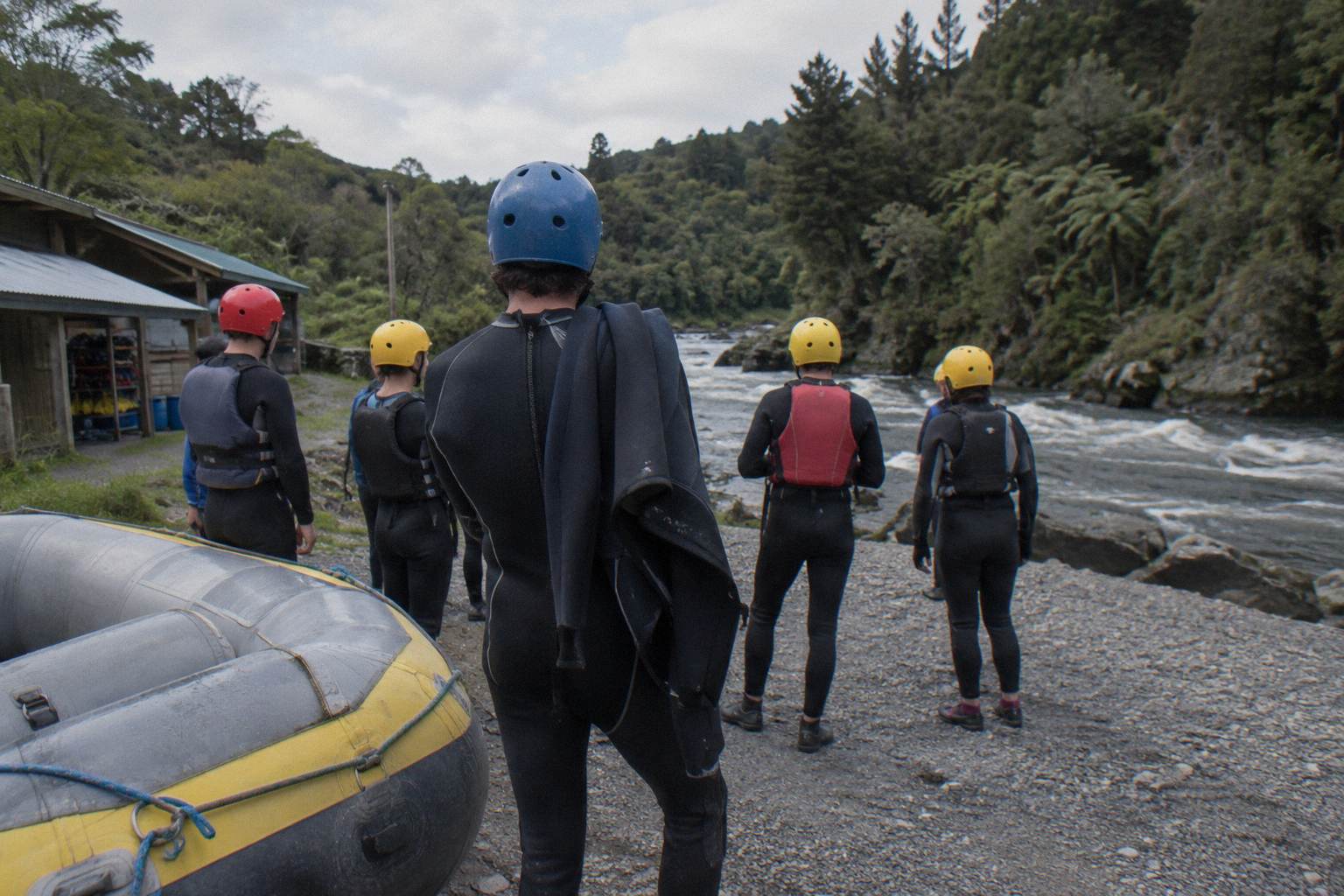
The departure-time trap is the simplest to avoid. Operators publish patterns, such as 10:30, 12:30 and 2:30 daily for Kaituna Cascades, but the calendar for your chosen product and date holds the truth, including slots added or removed for conditions. Checking the calendar, not the season page, is the habit that saves a wasted drive.
The Verdict On Timing Your Trip
Every month works, and the best month is the one matching your priority. Choose summer for six or more daily departures and about 24 °C. Choose spring for the high flows the operator has reported in the 500s on the control gates. Choose winter for quiet schedules and a 5 rated trip at three departure times a day, with a sauna product to finish. The river runs under all of them, so pick the factor, not the month.
That is the whole method, and it resists a single-word answer on purpose. The operators who run this river 365 days a year do not publish a best month, and a page that crowned one would be guessing. What they publish is a schedule that doubles in summer, a temperature range from about 12 °C to about 24 °C, and a conditions page that tracks the flow. Your month is a function of those three inputs plus your own calendar.
For readers deciding between a first rafting trip and something gentler, the Grade 2 Rangitaiki option runs on a different river with a different operator, and the comparison with the Kaituna's Grade 5 drop is laid out there. Whatever you choose, see the dates on the booking page for your product before you plan the rest of the day around it.
All amounts are New Zealand dollars, prices vary by date and group, and the booking page shows the price for the date you choose. For the wider picture of what trips cost across the region, the pricing breakdown for Rotorua rafting covers it.
Common Questions About Timing A Rafting Trip
What Month Is Best For White Water Rafting?
No single month is named by the operators. The Kaituna runs 365 days a year, so the choice comes down to schedule, temperature and flow: summer offers 6 or more daily departures and about 24 °C, winter runs 3 trips at about 12 °C, and spring brings high flows reported in the 500s on the control gates.
Is There A Rafting Season On The Kaituna River?
No closed season exists. Council-controlled gates at the Lake Rotoiti outlet keep the river running 365 days a year, per Kaituna Cascades. Operators simply change departure frequency between their winter and summer schedules, 1 May to 31 August and 1 September to 30 April.
How Many Trips Run Per Day?
Rotorua Rafting states 3 trips a day in winter at 10, 12 and 2, and 6 or more in summer, every 30 minutes on demand. Kaituna Cascades runs 10:30, 12:30 and 2:30 daily, adding 8:30 and 4:30 in summer. The booking calendar holds every actual time.
Is Spring The Best Time For Big Water?
Spring is the high-flow window. The Kaituna Cascades river-conditions page reported flows in the 500s on the control gates with water at 19 °C, describing the main waterfall as more powerful but slightly less tall and vertical. Read the page close to your trip, since it is a live report rather than a standing figure.
Is Winter Rafting Too Cold?
The Rotorua Rafting FAQ gives about 12 °C for winter, and operators supply wetsuits, helmets, life jackets, fleece, booties and splash jackets. Winter trips run daily. The free sauna belongs to the Rotorua Rafting and Rotorua Ziplines products only, so choose one of those for a warm-down.
Do Departure Times Change With The Season?
Yes. Rotorua Rafting switches from 3 fixed winter trips to 6 or more summer departures every 30 minutes on demand, and Kaituna Cascades adds 8:30 and 4:30 slots to its three daily times in summer. Treat all times as operator-stated patterns and confirm on the booking calendar for your date.