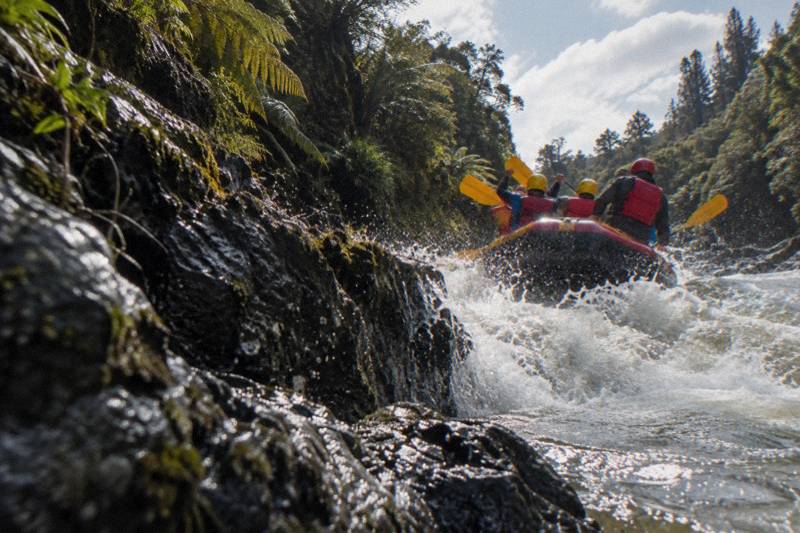
What Is The Fatality Rate Of Whitewater Rafting?
No published fatality rate exists for Kaituna rafting, and reporting explains why, with the 2026 coroner findings, the WorkSafe safety regime and how a 7 metre waterfall is run.
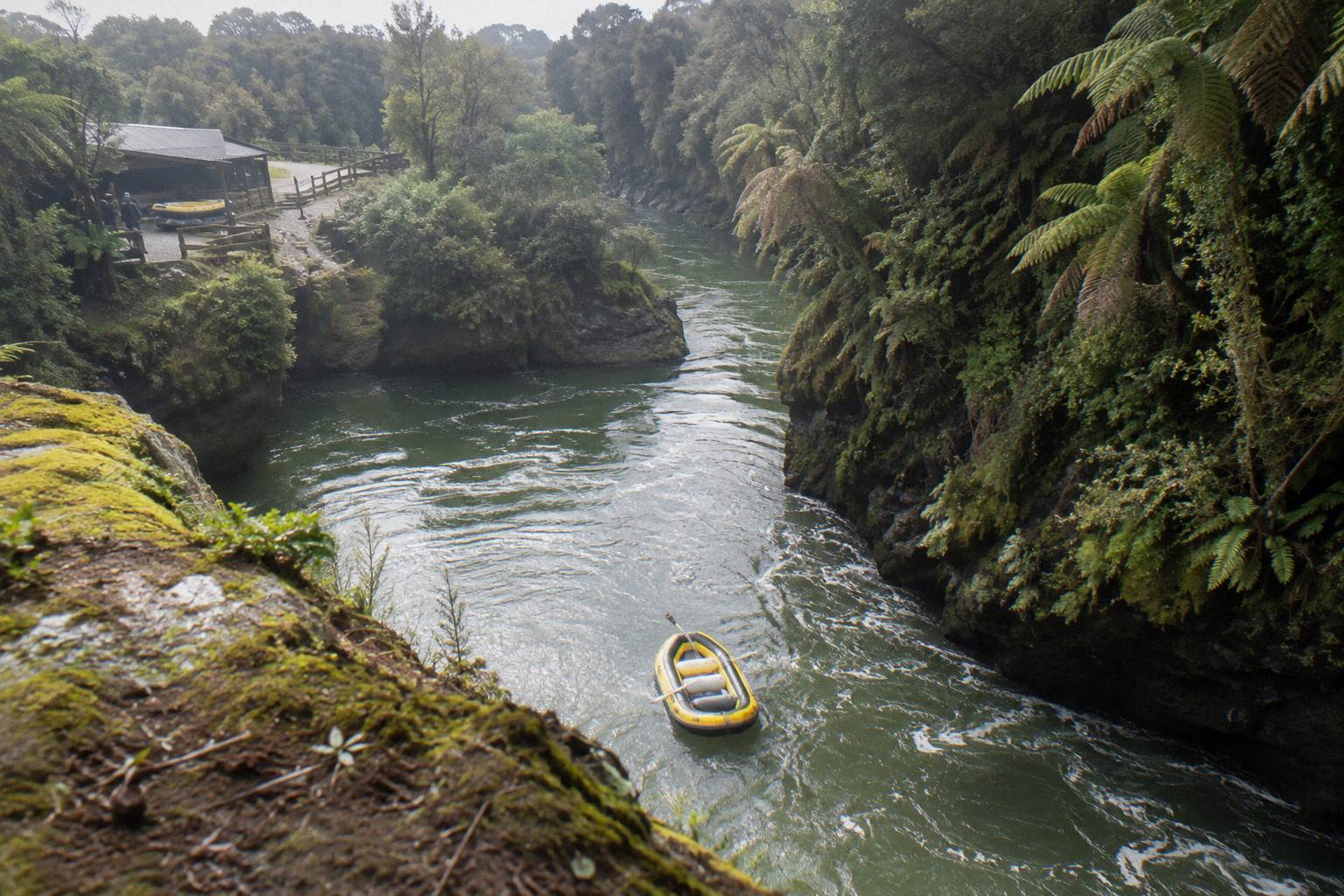
Anyone weighing a trip down the Kaituna should start with the Kaituna River rafting guide, which covers every bookable run on the river with its price, duration and minimum age.
| Fact | Detail |
|---|---|
| Published Kaituna fatality rate | None exists in any source used |
| Coroner findings released | March 2026 |
| Death covered by the findings | A 61-year-old woman in August 2020 |
| Drop at Tutea Falls | 7 metres, the operators' figure |
| People through the fall without incident | About one million, per the coroner |
| Regulator | WorkSafe, under the Adventure Activities Regulations 2016 |
| Operator requirement | Pass a safety audit by a WorkSafe-recognised auditor and register |
| Free sauna on the Rotorua Rafting listings | Included on those products only |
There is no published fatality rate for whitewater rafting on the Kaituna, so no number belongs on this page. Some pages elsewhere quote rates or per-participant odds, but a rate needs two verified figures, deaths and total participants over the same period, and neither exists in the public record for this river. What the record does hold is a single coroner's report from March 2026, a national safety regime administered by WorkSafe, and a fall that the coroner noted about one million people have navigated without incident. Those three things together are the evidence, and they say more than any percentage could.
A reader searching for a rate is usually asking a simpler question: is this dangerous enough to reconsider? The answer starts with what is documented. The death the coroner examined happened in August 2020, after a 7 metre drop at Tutea Falls, with another operator. One event, one report, no rate. Anyone who quotes a per-participant statistic for the Kaituna is filling a gap with arithmetic the record does not support.
That is also why the safety question is better answered by process than by odds. New Zealand requires commercial rafting operators to pass a safety audit by a WorkSafe-recognised auditor and to register with WorkSafe before carrying paying passengers. The regime, set out in the Adventure Activities Regulations 2016, replaced an older patchwork and gives the public a register of compliant operators. When a trip runs, every raft carries a guide who has been through that system, and every passenger wears the kit the operator supplies.
The question of whether the whole experience is worth the residual risk has a longer answer in whether Kaituna rafting is safe, which works through the same evidence from a first-timer's angle. For readers ready to look at actual trips, three listings below cover the range: a transfer-inclusive Kaituna run, a longer trip with a free sauna, and the original Kaituna Cascades run.
What The 2026 Coroner's Findings Said About Tutea Falls
A coroner's findings released in March 2026 covered the death of a 61-year-old woman in August 2020, after a 7 metre drop at Tutea Falls on a trip with another operator, and the coroner noted that about one million people have navigated the fall without incident. The coroner recommended an appropriately sized and fitted lifejacket and helmet, and WorkSafe took no action. That is the whole of what the report contributes to a fatality-rate question: one death, examined formally, with a recommendation about kit rather than a finding of systemic failure.
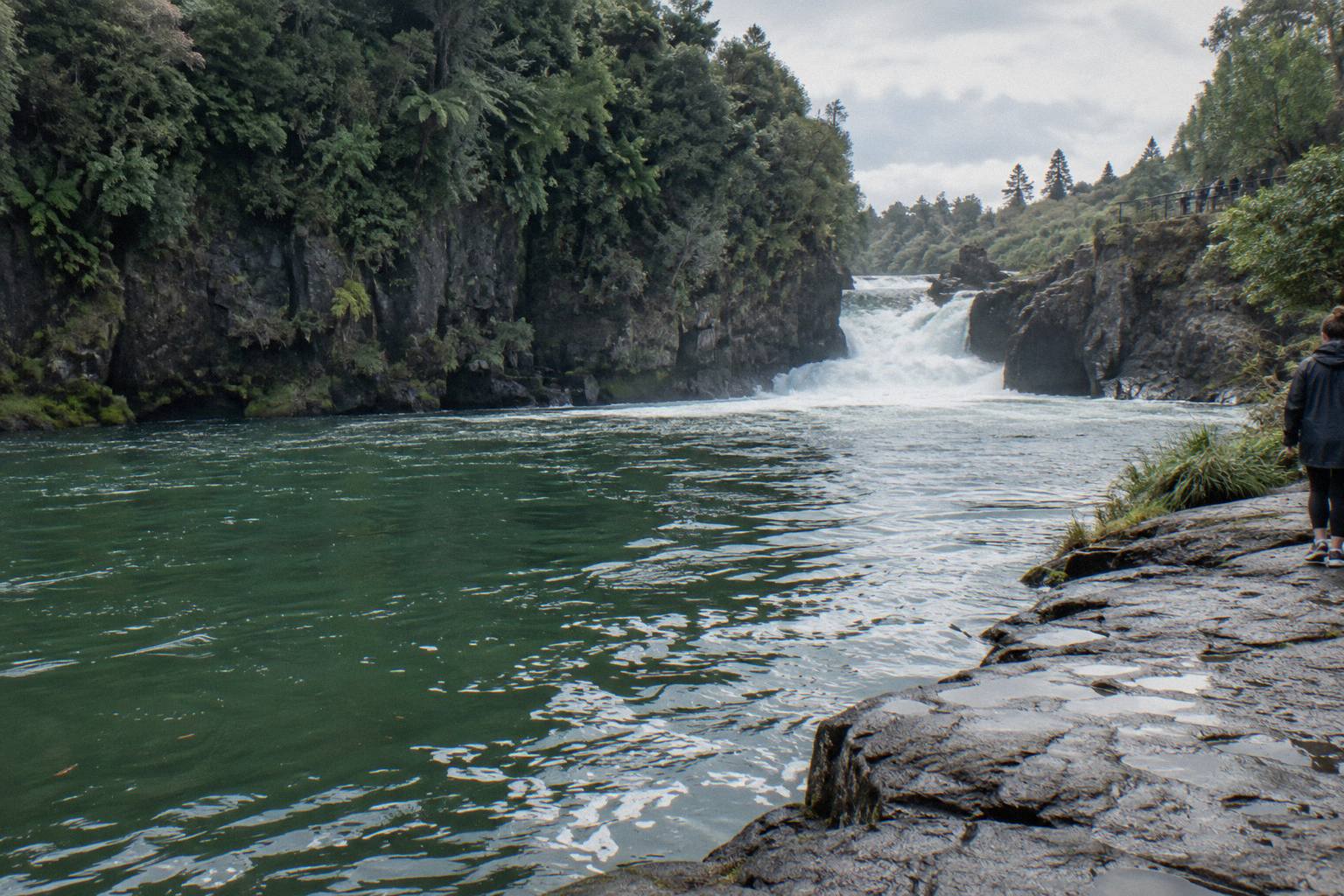
Reporting the findings plainly matters, because the alternative is either drama or silence. The SunLive report on the coroner's findings is the source for every detail in this section, and it is the only death this article may cover. No other incident appears in the sources, so no other incident appears here. The coroner's note about one million passages without incident is the closest thing to a base rate that exists, and it belongs to the coroner, not to any operator's marketing.
The recommendation is also the practical takeaway. A lifejacket that fits and a helmet that sits right are the two pieces of equipment the coroner singled out, and both are standard issue on every commercial trip on this river. Operators supply helmets, life jackets, wetsuits, fleece, booties and splash jackets, and the fitting happens at the base before anyone gets near the water. A passenger who pays attention at fitting time is doing the one thing the coroner's recommendation asks of them.
| Coroner Finding | What Was Said |
|---|---|
| Findings released | March 2026 |
| Death covered | A 61-year-old woman in August 2020 |
| Location | After a 7 metre drop at Tutea Falls |
| Operator | Another operator; not named here |
| Scale note | About one million people have navigated the fall without incident |
| Recommendation | An appropriately sized and fitted lifejacket and helmet |
| WorkSafe action | None taken |
Readers who want the full safety picture rather than the incident record can follow the guide to whether whitewater rafting is safe, which covers the regime, the kit and the swim question without leaning on any single event.
How New Zealand Regulates Rafting Safety
Commercial rafting operators in New Zealand are regulated under the Adventure Activities Regulations 2016, which require them to undergo a safety audit by a WorkSafe-recognised auditor and register with WorkSafe before offering trips. The public can verify whether an operator appears on the register, giving travellers a straightforward way to confirm a rafting company meets the required safety standards before booking. The regime exists because adventure tourism carries real risk, and because a market where operators self-certify has no way to remove the careless ones. A registered operator has been through an external audit of its safety system before a single paying passenger boards a raft.
The mechanics are simple from a customer's point of view. The WorkSafe adventure activities register lists operators that have met the requirement, and the adventure activities regime page explains what the law expects of them. The governing regulations sit on the legislation site, and the framework has been tightened since it was introduced, with changes effective around 1 April 2024. What a customer does with all this is modest but real: confirm the operator is on the register, then judge the product on its own terms.
The audit covers the systems that make a trip survivable when something goes sideways: guide qualifications, equipment checks, trip briefings, incident processes and the judgment calls about when a river is not running. None of it removes risk, and no regulator would claim it does. What it does is set a floor, and it gives the coroner's recommendation about fitted lifejackets and helmets a legal backbone rather than leaving it as advice.
| Regime Element | Detail |
|---|---|
| Legal basis | Adventure Activities Regulations 2016 |
| Regulator | WorkSafe |
| Requirement | Safety audit by a WorkSafe-recognised auditor, then registration |
| Public check | The WorkSafe adventure activities register |
| Recent change | Changes effective around 1 April 2024 |
Every operator named on this site operates inside that framework. Before a trip is booked, it is worth a minute on the register, and it is worth checking dates and availability for the day you want, since the calendar, not the operator's mood, decides what runs.
How A Seven Metre Waterfall Is Run
Tutea Falls is 7 metres, or 23 feet, by the operators' figure, and operators describe it as the highest commercially rafted waterfall in the world; the run through it is brief, vertical and over in seconds, and the coroner's note of about one million incident-free passages is the scale of experience behind it. Kaituna Cascades, Kaitiaki Adventures and Rotorua Rafting all state the 7 metre figure, and none of the sources used disagree with it. The world-highest claim belongs to the operators, not to this page.
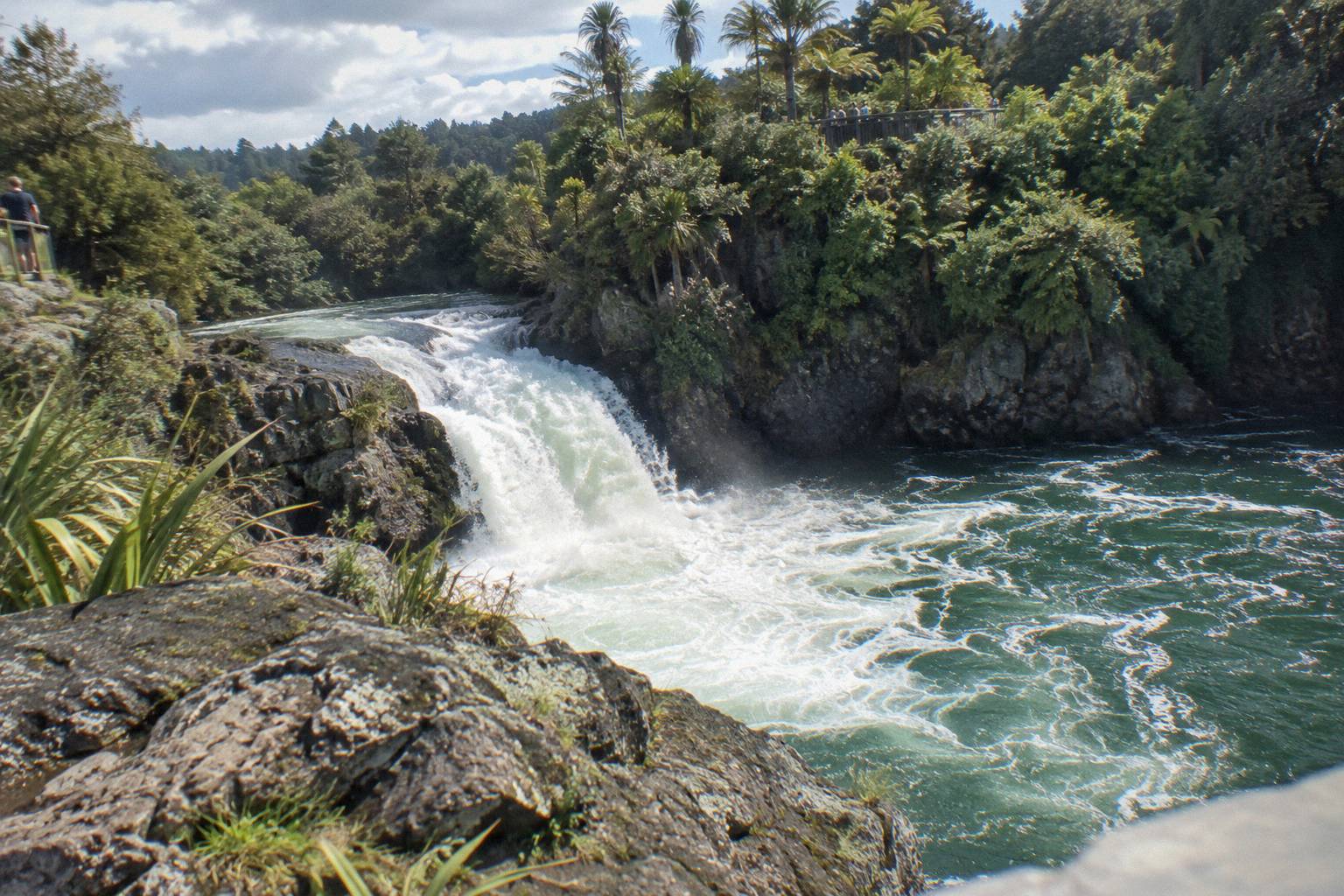
For context on how unusual a 7 metre drop is, Kaituna Cascades publishes a short comparison of commercially rafted falls and places three below Tutea: Agers Falls at 5.5 metres, Sweets Falls at 4.3 metres and Husum Falls at 3.7 metres. The list is theirs, and it makes the point without exaggeration: a raft going over Tutea Falls drops roughly a metre and a quarter more than the next fall on their list. Height alone is not the risk factor, but it is the number people picture.
| Commercially Rafted Fall | Height |
|---|---|
| Tutea Falls | 7 metres, the operators' figure |
| Agers Falls | 5.5 metres, per Kaituna Cascades |
| Sweets Falls | 4.3 metres, per Kaituna Cascades |
| Husum Falls | 3.7 metres, per Kaituna Cascades |
Flow changes the character of the drop, and the operators say so openly. In its spring high-flow update, Kaituna Cascades describes the big waterfall as more powerful but slightly less tall and vertical, which is what a river in flood does to a ledge. The same pages explain why the Kaituna runs 365 days a year: council-controlled gates at the Lake Rotoiti outlet hold the flow. A river whose volume is managed is a river an operator can plan around, and that management is part of the reason a million passages are possible at all. The Wikipedia entry for the Kaituna River covers the river's course and the falls' place in it.
The Kaituna run itself is about 50 to 60 minutes on the water inside a roughly two hour experience, with 14 rapids and drops and three waterfalls, sold as Grade 5 with the rapids building through Grade 4 and 5 to the falls. Each operator runs it daily through the year; Kaituna Cascades departs at 10:30, 12:30 and 2:30 daily, with extra summer trips, while Rotorua Rafting runs three trips a day in winter and six or more in summer. The booking calendar holds the times for any given date.
What Actually Keeps The Risk Down
The things that separate a safe trip from a bad one are unglamorous: a fitted lifejacket and helmet, a guide who has run the river many times, a realistic self-assessment about swimming ability and health conditions, and an operator checked against the WorkSafe register. The coroner's recommendation points at the first item, the regulations underwrite the second, and the remaining two belong to the customer. None of it is heroic, and all of it is effective in the ways the record shows.
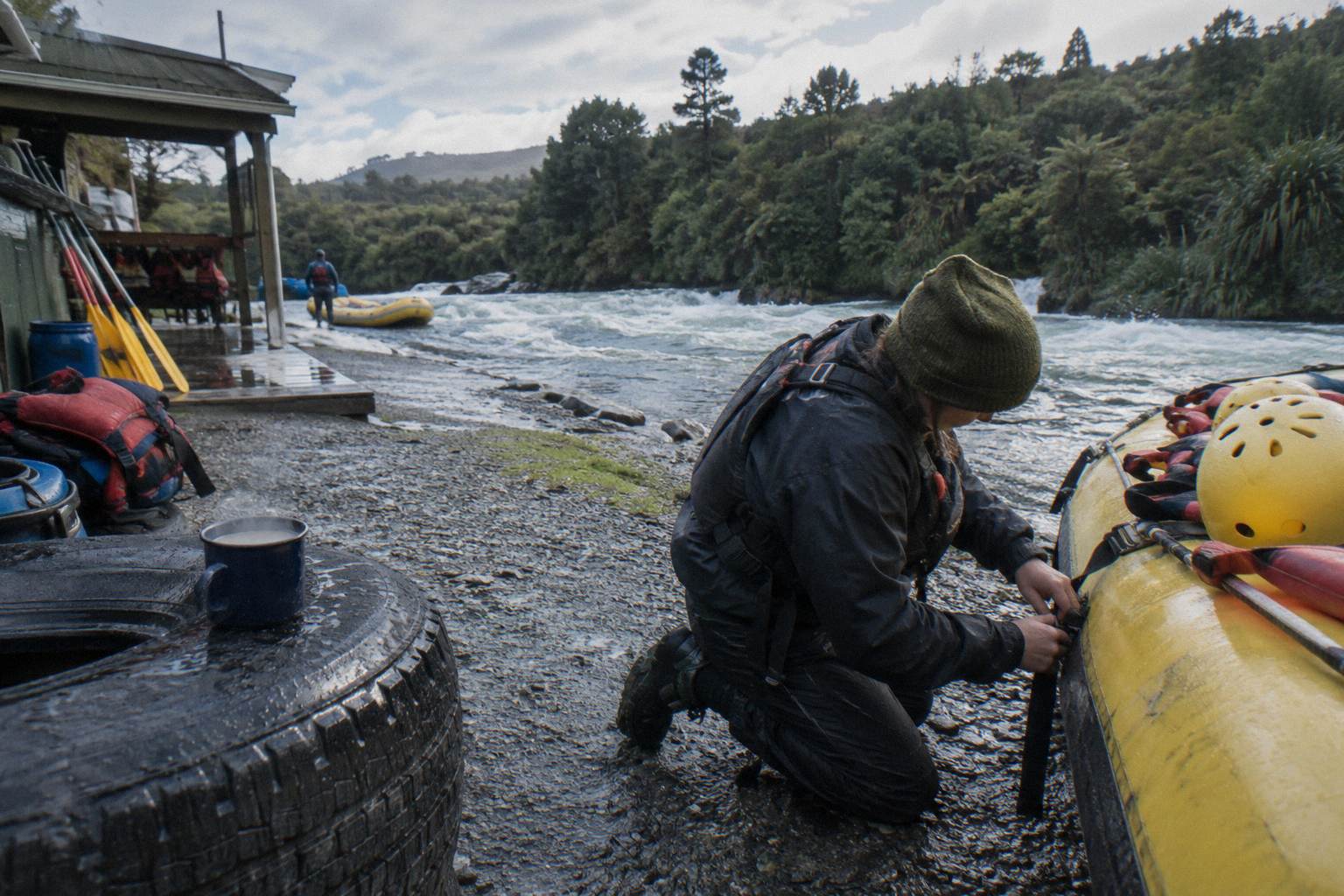
Kit first, because it is the part a customer controls on the day. Operators supply wetsuits, helmets, life jackets, fleece, booties and splash jackets, and water temperature runs about 24 degrees C in summer and about 12 °C in winter per the Rotorua Rafting FAQ. The fitting session at the base is where the coroner's recommendation gets honoured or ignored, and asking for a different size is a two-minute conversation. Passengers bring swimwear and a towel, per Kaituna Cascades, and that is about the extent of personal preparation required.
Terms and conditions carry real safety content. Kaituna Cascades sets a minimum age of 13 with a maximum weight of 120 kilograms, asks customers to check in 15 minutes early, excludes pregnancy and heart conditions, and may require a float test. Rotorua Rafting sets its maximum weight at 130 kilograms. Ages vary per listing: the Kaitiaki transfer listing carries a minimum age of 13, while the Rotorua Rafting sauna listings carry a minimum of 10 on the listing used here. These are not bureaucratic fine print; they exist because the river does not care how motivated a passenger is.
The WorkSafe public register closes the loop on the operator side. A customer who checks the register, wears properly fitted kit, reads the health terms and can swim has done everything the evidence supports. For those who cannot swim confidently, whether you need to swim to go rafting covers what operators actually ask for, and what happens if you fall out of the raft walks through the drill every guide briefs before launch.
For a trip that bundles the logistics, Kaitiaki Adventures runs Rafting With Hotel Transfers, a 2h30 Kaituna trip from NZ$139 per person with free hotel pickup and a 5 rating from 823 reviews, and every amount on this site is in New Zealand dollars. Check availability for your dates, since prices vary by date and group.
What People Get Wrong Before They Book
The most common mistakes are trusting a made-up statistic, skipping the operator's terms on age, weight and health, treating the falls as the whole risk when the drive and the swimming matter too, and booking the cheapest card without noticing which operator and which inclusions sit behind the price. A reader armed with the coroner report and the register is already ahead of most of these.
First, the rate itself. If a page quotes a fatality rate for this river, ask where the two numbers came from. No source used here publishes one, and a rate manufactured from one incident is worse than no number, because it looks authoritative while resting on nothing. The coroner's own framing, one death against about one million incident-free passages, is the only arithmetic the record permits, and it belongs to the coroner.
Second, the terms. Minimum ages differ by listing even on the same river, and weight limits differ by operator, 120 kilograms at Kaituna Cascades, 130 at Rotorua Rafting. Pregnancy and heart conditions are excluded on the Kaituna Cascades terms, and a float test may be required. Reading these before paying saves an awkward conversation at the base, and the booking page shows the terms for the specific product.
Third, the product confusion. Twin listings exist: the same river is sold as separate products with their own prices, durations and inclusions, and a cheaper card is not a discount on a dearer one, it is a different product. The free sauna belongs to the Rotorua Rafting and Rotorua Ziplines listings only; hotel pickup belongs to Kaitiaki Adventures, on all four of its listings. Comparing a NZ$74 short run against a NZ$135 longer trip as if they were the same product is the fastest way to book the wrong thing. The operators compared guide untangles who runs what, at which price, from which base.
Fourth, preparation. Bring swimwear and a towel, eat something beforehand, and arrive early enough to be fitted properly rather than rushed. Check the weather question too: rain does not automatically cancel a trip on a river whose flow is gate-controlled, and whether rain cancels the trip explains what actually drives cancellations. The mistakes are all avoidable, and none of them requires experience, only attention.
Readers comparing the three main Kaituna listings, the transfer trip, the free sauna run and the Kaituna Cascades originals, can check dates for all three at once below.
The longer write-up on what happens on a Kaituna rafting trip covers the run from base briefing to the drop, and Rafting Rotorua exists to keep every figure on every page tied to its own product. For anyone whose real question is whether a beginner belongs on this river at all, rafting for beginners answers it from the same sources.
One more habit worth forming: match the listing name on your confirmation to the operator named in the terms you read. If you checked the Kaituna Cascades weight limit but booked a Rotorua Rafting product, you have checked the wrong card, and the base team cannot stretch either limit on the day. The same goes for inclusions: a sauna expectation carried onto a trip that does not offer one is a disappointment that arrives at the point of booking, not on the river.
Finally, give the terms a second read after booking but before the day. Cancellation windows, arrival times and what counts as a no-show all live in the same document as the age and weight rules, and knowing them early turns a late arrival or a change of plan from a dispute into a straightforward decision. None of this takes longer than the time it took to read this section, and it is the cheapest insurance on the trip.
Common Questions About Rafting Safety Statistics
What Is The Fatality Rate Of Whitewater Rafting?
No fatality rate for Kaituna whitewater rafting has been published in any source used here, so no number can be quoted. The closest documented figure is the coroner's note that about one million people have navigated Tutea Falls without incident, set against one death examined in findings released in March 2026.
Has Anyone Died Rafting The Kaituna?
A coroner's findings released in March 2026 covered the death of a 61-year-old woman in August 2020 after a 7 metre drop at Tutea Falls, on a trip with another operator. The coroner recommended an appropriately sized and fitted lifejacket and helmet, and WorkSafe took no action.
Is Tutea Falls The Highest Commercially Rafted Waterfall?
Operators describe it as the highest commercially rafted waterfall in the world, and the drop is 7 metres by their figure. Kaituna Cascades lists three lower commercially rafted falls below it: Agers Falls at 5.5 metres, Sweets Falls at 4.3 metres and Husum Falls at 3.7 metres.
Are Rafting Operators Regulated In New Zealand?
Yes. Under the Adventure Activities Regulations 2016, commercial operators must pass a safety audit by a WorkSafe-recognised auditor and register with WorkSafe, and the public register can be checked online before booking.
What Kit Do Operators Supply?
Operators supply wetsuits, helmets, life jackets, fleece, booties and splash jackets, and the fitting happens at the base before the trip. The coroner's recommendation centred on an appropriately sized and fitted lifejacket and helmet.
Who Should Not Go Rafting?
The operator terms give the answer for each product: Kaituna Cascades excludes pregnancy and heart conditions, sets a minimum age of 13 and a maximum weight of 120 kilograms, and may require a float test. Ask the operator about any condition on the terms list before booking.