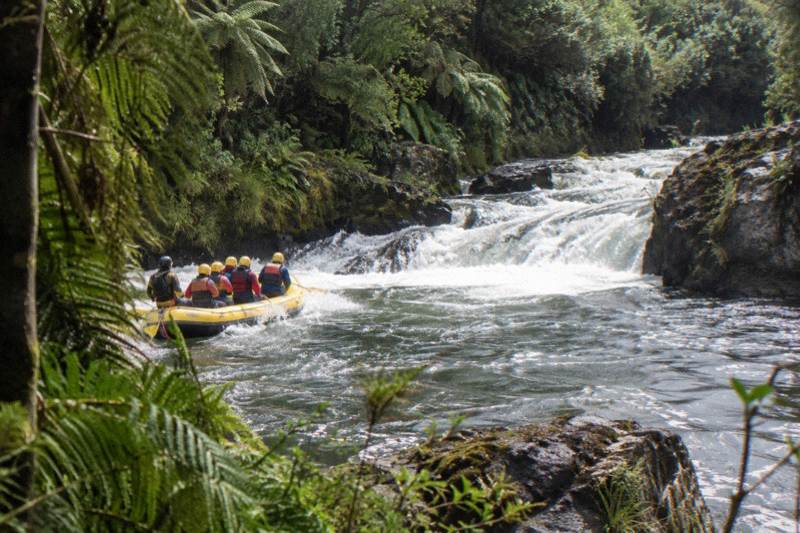
Are Crocs Ok For Rafting?
Loose shoes like Crocs are a poor choice for whitewater rafting, and on the Kaituna the operators already supply booties. What to put on your feet at every stage of the day.
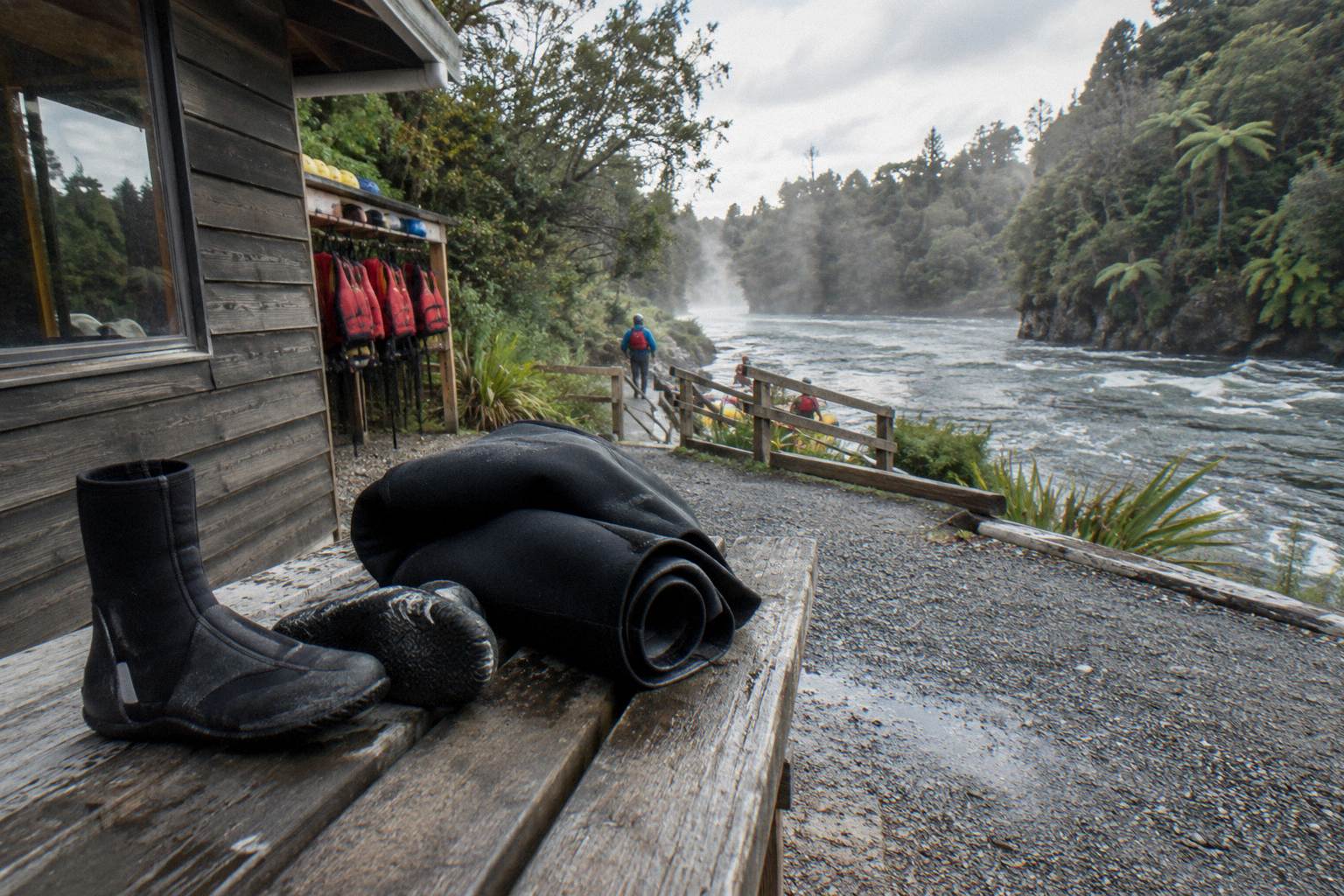
Rafting footwear is one of those small decisions that shapes the whole day, and the Kaituna River rafting tours hub is where the bookable trips on this river sit side by side. This page answers one narrow question and then spends its depth where it matters: what belongs on your feet before the trip, on the water, and afterwards.
| Fact | Detail |
|---|---|
| Supplied kit on the operator pages | Wetsuits, helmets, life jackets, fleece, booties and a splash jacket |
| What Kaituna Cascades asks you to bring | Swimwear and a towel |
| Water temperature in summer | About 24 °C, per the Rotorua Rafting FAQ |
| Water temperature in winter | About 12 °C, per the Rotorua Rafting FAQ |
| The core problem with Crocs | Loose fit, no secure strap, they float away in moving water |
| Who decides what is allowed | The operator and the booking confirmation |
| Simplest answer for the Kaituna | Wear the supplied booties, ask the operator about anything else |
Crocs are not a sound rafting shoe, and on the Kaituna you rarely need to solve the problem yourself: the operators' pages list booties among the supplied kit. A loose clog has no heel strap holding it to your foot, and in moving water a shoe that is not locked on becomes debris. The operator and the booking confirmation decide what is allowed, so confirm with them rather than relying on general advice.
The short version of the footwear answer sits in what the operators themselves publish. The Rotorua Rafting and Kaituna Cascades pages both list wetsuits, helmets, life jackets, fleece, booties and a splash jacket as supplied for the trip. Kaituna Cascades adds a short bring list of its own: swimwear and a towel. Footwear for the river, in other words, is already in the kit pile, and it is designed for wet rock, cold water and the walk in and out of the gorge.
Crocs fail on all three counts. They are loose by design; they are buoyant foam; and the holes that make them dry quickly also let water pour through and strip them off your feet in a rapid. On flat ground that is a minor inconvenience. In a river channel with drops and rocks it is a shoe lost to the current and a bare foot on wet stone. If a general reference on the sport helps frame it, the Wikipedia entry on rafting{: rel="noopener"} covers the usual expectations around kit and river conditions, and the Wikipedia entry on whitewater{: rel="noopener"} explains the grading system the Kaituna trips are sold under.
That still leaves a real question, because most of a rafting day happens outside the raft. What follows breaks the day into its stages and treats footwear as a sequence rather than a single choice.
What The Operators Supply For Your Feet
Booties are on the supplied kit list for the Rotorua Rafting and Kaituna Cascades trips, listed alongside wetsuits, helmets, life jackets, fleece and a splash jacket. That is the operator-stated position, and it means the average rafter arrives with swimwear and a towel and gets everything else handed over at the base. The kit a specific trip supplies is decided by the operator, so the booking confirmation is the final word.
The supplied list matters more than any shoe you own. A neoprene bootie does the job a Croc cannot: it fits close, it stays on when the raft hits a drop, it grips wet rock, and it adds a layer of warmth in water the operator FAQ describes as about 12 °C in winter. The same FAQ puts summer water at about 24 °C, which is friendlier, but grip and retention matter just as much in warm water as in cold. The operator FAQ page{: rel="noopener"} carries the temperature figures and the kit list in the operator's own words.
For a sense of how the kit list translates into an actual product, Kaituna Cascades, The Originals runs 2 hours from NZ$135 per person, holds a 5 rating from 1,385 reviews, and sets a minimum age of 13 on its booking page. Whatever you book, the pattern holds: the base hands you the kit, and your own shoes stay in the car.
Footwear At Each Stage Of The Day
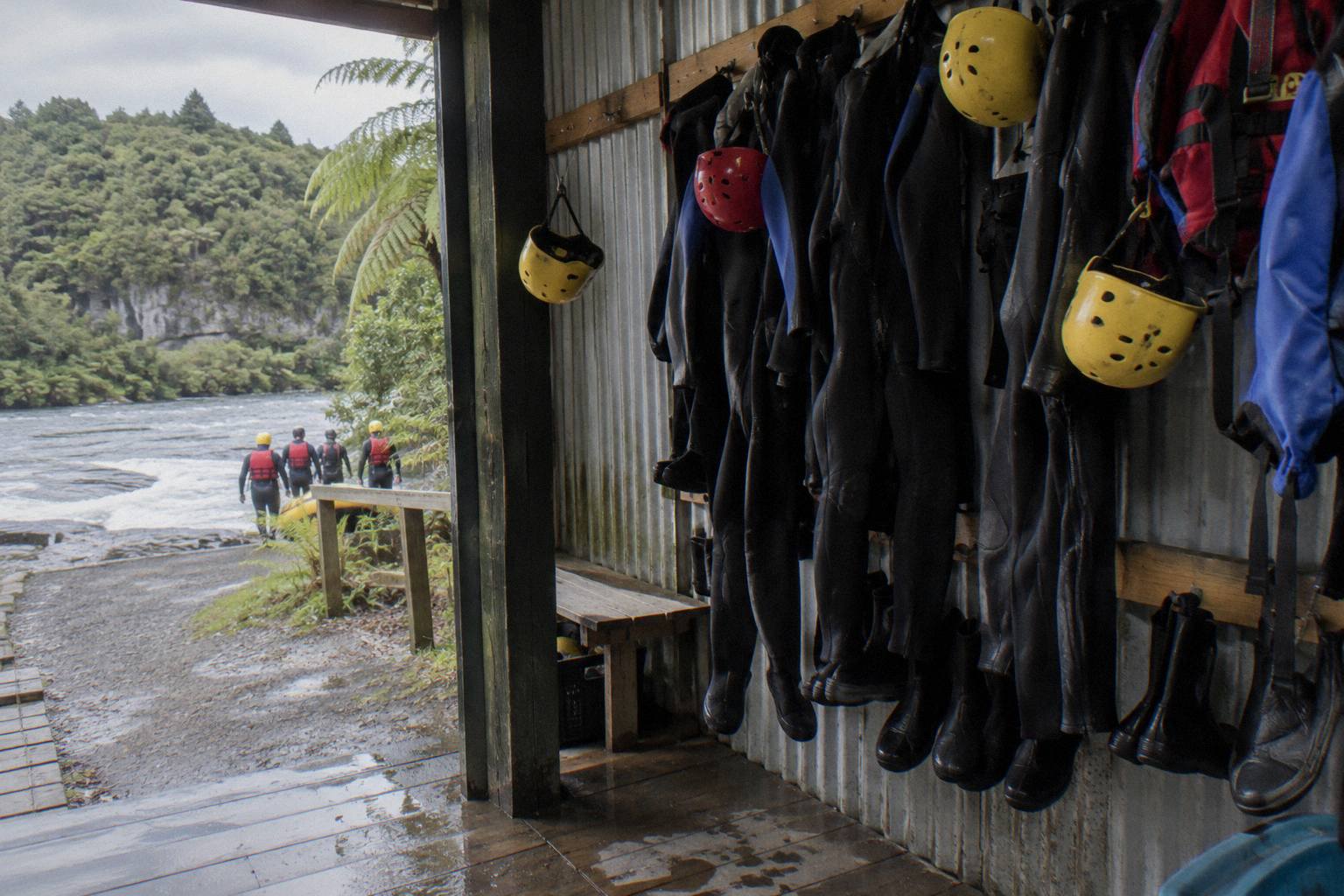
A rafting day has three footwear moments: the arrival and change at the base, the walk to the put-in over ground that is often uneven and wet, and the river itself. The supplied booties cover all three on the operator-stated kit lists, which is why packing a second pair of shoes is usually unnecessary. The one stage where people slip is the car park and changing area, where the ground is ordinary but feet are wet and hurried.
Treat the day as a sequence and the shoe question answers itself. At the base you arrive in whatever you drove in. Changing into the supplied wetsuit and booties takes minutes. The walk to the put-in at Okere Falls is on tracks and riverbank paths, and wet grip is the whole requirement there. On the water, the bootie is the only sensible option anyway. Afterwards, the towel and dry shoes from the car do their work.
| Stage of the day | Ground underfoot | What works | Why |
|---|---|---|---|
| Arrival and change at the base | Car park, gravel, changing area floor | Everyday shoes, then swap into supplied booties | Nothing wet has happened yet |
| Walk to the put-in | Tracks and riverbank path, often wet | Supplied booties | Grip on uneven, damp ground |
| On the river | Raft footwell, wet rock at exits | Supplied booties | Retention, grip, warmth |
| After the trip | Car park, changing area | Your own dry shoes | Comfort on the drive back |
Crocs occasionally get proposed for the after stage, and there they are harmless: a slip-on for the drive home is nobody's problem. The mistake is planning to wear them into the river, or onto the walk down, on the theory that any shoe is better than none. A shoe that detaches is worse than a bare foot in some situations, because it creates a second thing to think about at exactly the moment you should not be thinking about shoes. If the stages concept is new, the guide to what happens on a Kaituna rafting trip walks through the day in order.
Why Loose Shoes Fail In Moving Water
The failure mode of a loose shoe is simple mechanics: current pushes on the shoe, the shoe pushes on the foot only where it touches, and anything not strapped down slides off under force. Crocs compound it with buoyant foam, so a lost clog does not sink and wait to be found, it travels. Wet rock then does the rest, because bare or badly shod feet have poor grip on stone that never dries.
Think about what the foot does inside a raft. It braces against the floor and the side tubes, it flexes on drops, and it may end up in the water standing on the riverbed during a swim. Each of those actions loads the shoe from a different angle. A laced shoe or a neoprene bootie transfers all of that load to the foot. A slip-on clog transfers only the load its friction can carry, which is very little once everything is wet and soapy from the wetsuit.
The cold adds a second reason. At about 12 °C in winter, per the operator FAQ, numb feet are clumsy feet, and clumsy feet find rocks. Booties buy back some dexterity by keeping the skin warm. There is a fuller treatment of cold water and kit in what to wear white water rafting, which covers the layers question in depth.
None of this is a policy claim about Crocs. It is the plain physics of a loose shoe in current, and the reason the supplied kit list solves the problem with a bootie instead. The winter side of the calendar also changes what the day feels like, and the question of whether rafting runs through the colder months has its own treatment elsewhere on this site.
What To Do If You Own Proper Water Shoes
If you already own secured water shoes, with a real heel strap or laces, they may be fine, and the operator is the one who confirms it before the day. Neoprene booties of your own overlap almost completely with the supplied pair. What you bring does not change what the operator supplies, and it does not change the bring list either: swimwear and a towel are what the operator pages ask for.
The hierarchy of owned footwear is short. A lace-up trainer that you do not mind soaking is workable and better than any slip-on. A purpose-built water shoe with a strap does the job the supplied bootie does. Sandals with buckles sit a step below, and anything without a strap sits at the bottom of the list with the clogs. Thongs, or flip flops, are below even that: they are the same failure with less shoe.
| Owned footwear | Retention when wet | Suitability for the river | Note |
|---|---|---|---|
| Neoprene booties with strap | Strong | Good | Overlaps with the supplied pair |
| Lace-up trainers | Strong | Workable | They will stay soaked all day |
| Strapped sandals | Moderate | Marginal | Toes and heel exposed |
| Slip-on clogs | Poor | Not suitable | Buoyant, no strap |
| Flip flops | Very poor | Not suitable | Nothing holds them |
One caution applies across the whole table: no general page can promise that an operator accepts any specific shoe on any specific day. Operators run under New Zealand's adventure activities regime, which requires safety audits and registration, and the WorkSafe adventure activities register{: rel="noopener"} is the public record of that system. Within that system the operator's own crew makes the call on the day. Asking before you travel is a two minute job, and it makes the whole lead up to a first trip feel routine rather than nerve wracking.
Confirming Footwear With The Operator
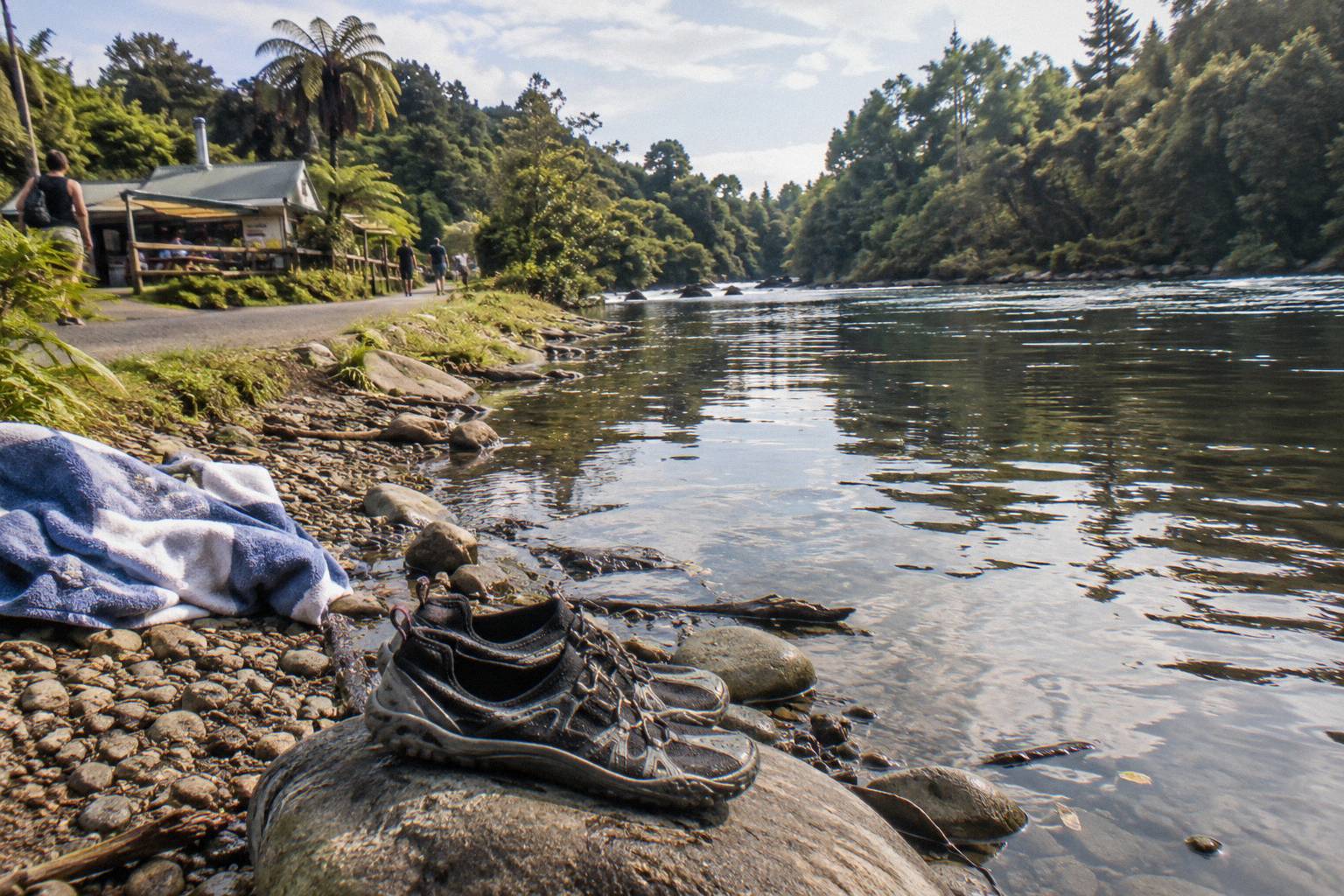
The operator and the booking confirmation decide what is allowed on the trip, so the reliable move is a short question before the day: does the trip supply booties, and is there anything you should bring for your feet? The operator pages for two of the three main Kaituna companies already answer the first half by listing booties in the supplied kit. The second half is worth one line in a message, because trip details can differ between products.
This step exists because products differ, not because the kit list is uncertain. The Kaituna Cascades, The Originals product is a 2 hour trip from NZ$135 per person with a minimum age of 13. The Free Sauna, 2h30 Kaituna Trip from Rotorua Rafting is also from NZ$135 per person, runs longer, and sets its minimum age at 10 on its own booking page. Rafting With Hotel Transfers from Kaitiaki Adventures is from NZ$139 per person, includes free hotel pickup on that product, and lists a minimum age of 13. Those are separate products with separate details, and footwear questions belong to each of them individually.
A useful way to frame the question is by stage rather than by shoe name. Ask whether the trip supplies booties for the river and the walk in. Ask what the ground is like between the base and the put-in. Then ask whether there is anything about the day, a longer walk or a colder month, that changes the answer. Operators answer specific questions far better than they answer "what should I wear", and the reply usually lands in the same message thread as the booking confirmation.
For anyone weighing the two Kaitiaki Adventures listings on the Kaituna, the comparison of Kaituna rafting operators lays out the differences in one place, including which products carry hotel pickup.
What Trips People Up Before You Book
The recurring mistakes are predictable: planning a whole shoe strategy when the kit list already includes booties, wearing flip flops for the walk to the put-in because the day is warm, and reading one product's details as if they applied to every trip on the river. Each of these has a one line fix, and none of them require buying anything before you ask the operator.
The first trip up is overthinking. People research river shoes for a week and then arrive to find a pile of booties at the base. The supplied kit list is the operator's own published answer, and swimwear plus a towel is the entire bring list on the operator page that states one.
The second is the wrong shoe in the wrong place. Warm days invite slip-ons, and slip-ons are at their worst on the wet track down to the water, even before the river gets a say. The third is detail drift between products: a minimum age, a price or an inclusion read from one listing and applied to another. Each product's price, age and kit details belong to that product alone, and the booking page for each shows its own figures for the date.
The fourth is small but real: forgetting the towel. It is on the bring list, it is the one item the operators name, and it is the item people leave in the bathroom at home. Beyond that, the deeper safety questions, like whether the sport suits nervous beginners and whether the Kaituna specifically is a safe pick, have their own treatments elsewhere on this site, alongside the wider guide to white water rafting across New Zealand.
The booking side of the decision is narrow. If the kit list answers the footwear question and the day still needs a slot, check the live price for your date, see which departure times remain, and confirm the one open question with the operator. Booking pages hold the dates and the per-person figures for the day you want.
Common Questions About Rafting Footwear
Are Crocs Ok For Rafting?
No. A loose clog without a heel strap comes off in moving water, and the foam floats away. On the Kaituna the question is mostly moot anyway, because booties are on the supplied kit list for the Rotorua Rafting and Kaituna Cascades trips. Confirm with the operator before the day.
Do I Need To Bring Shoes For Rafting?
No, on the trips whose pages list booties in the supplied kit. You bring swimwear and a towel, the operator names on its own page, and the base hands over wetsuits, helmets, life jackets, fleece, booties and a splash jacket. Keep a dry pair of your own shoes in the car for afterwards.
Can I Wear My Own Trainers In The Raft?
Lace-up trainers that you do not mind soaking are workable, but the operator decides what is allowed on the trip, so ask first. A trainer that fits snugly stays on through drops and gives grip on wet rock, which is more than any slip-on manages. Expect them to stay wet for the rest of the day.
Are Sandals Ok Instead Of Crocs?
Strapped sandals are a marginal step up from clogs because a buckle holds the heel, but exposed toes and loose soles make them a weak choice for drops and wet rock. The supplied bootie does everything a sandal does with none of the exposure. Ask the operator if you want to wear your own.
What About Flip Flops For The Walk To The River?
Flip flops are the worst option on the whole list: nothing holds them on, and the track to the put-in is often wet and uneven. Wear the supplied booties for the walk, or the shoes you arrived in, and leave the flip flops in the car for after the trip.
Does Cold Water Change The Footwear Answer?
Yes, it strengthens it. The operator FAQ puts winter water at about 12 °C, and numb feet are clumsy on wet rock. Neoprene booties keep some warmth in the foot and grip under it, which is why they are the supplied item rather than a sandal or an open shoe.
Keep Reading
The footwear question is answered, but the day around it usually raises three more: what to wear under the supplied wetsuit, what to pack in the car, and whether younger family members can come at all.
- What to wear under a wetsuit for rafting, covered in the what to wear guide
- What to pack for a rafting day, from towel to dry shoes
- Rafting with kids and minimum ages explained, for families weighing the age limits
The wider shelf of trips on this river, from the 2 hour runs over Tutea Falls to the longer sauna products, sits in the main rafting category, where each product carries its own price, duration and minimum age. A Rafting Rotorua visit usually starts there.